
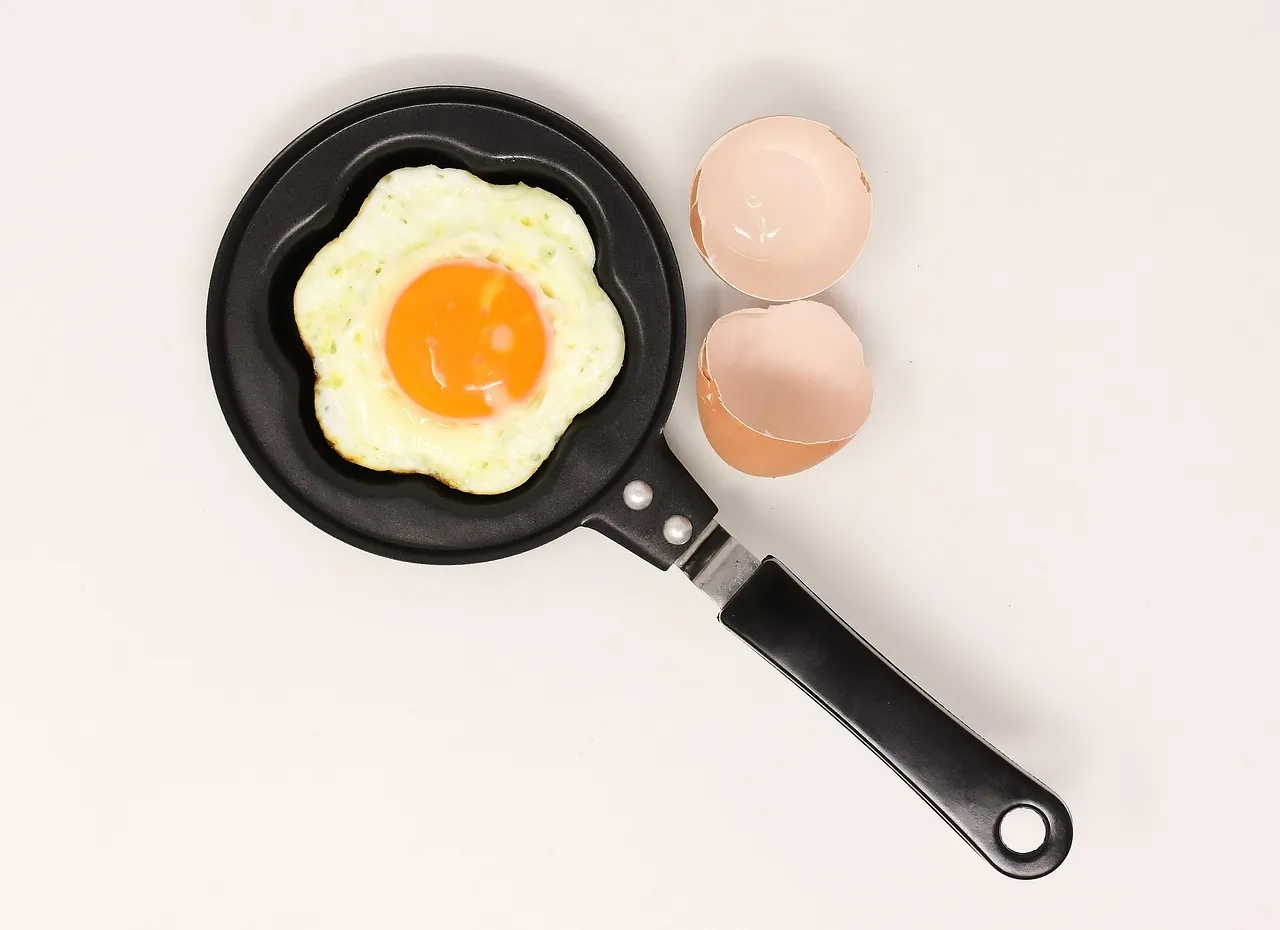
Chili crisp is a savory, spicy Chinese condiment made by suspending crispy fried aromatics like garlic, shallots, dried chili peppers, and fermented soybeans in a neutral oil infused with warm spices. Unlike smooth chili oil or vinegar-based hot sauces, chili crisp is thick and spoonable, pairing crunchy texture and deep umami with gentle or numbing heat. Because cooking over direct heat softens the crispy solids, you get the best results when you spoon it over finished dishes like eggs, noodles, rice, dumplings, vegetables, and rich cheeses right before serving.
What goes into chili crisp and where does it come from?
The condiment gets its signature crunch from a high ratio of fried solids to liquid oil, making it a spoonable oil-based condiment rather than a pourable sauce. Most recipes start with a neutral base such as soybean oil, rapeseed (canola) oil, peanut oil, or vegetable oil. Aromatics like garlic and shallots are fried until golden and combined with dried chili flakes, sesame seeds, and whole spices including star anise, cinnamon, cardamom, fennel, and cloves.
Many recipes build savory depth using fermented black soybeans (douchi), roasted soybeans, fava beans, yellow split peas, peanuts, mushroom powder, or seaweed powder. Depending on the regional style in China, the flavor profile shifts noticeably. Guizhou-style versions rely on fermented black soybeans for an earthy, salty punch, whereas Sichuan chili crisp varieties incorporate red or green Sichuan peppercorns that create a citrusy aroma and a tingling, mouth-numbing sensation known as mala.
Though Capsicum chili peppers only arrived in China during the 16th century via global trade, local cooks quickly began infusing them into oils. According to National Geographic’s culinary history, Hunan historians recorded chilies used in savory oils by 1765, and a circa-1790 Chinese culinary book, The Harmonious Cauldron, included an early recipe for frying whole chilies in sesame oil. Traditional southern Chinese methods gently simmer the ingredients together in oil, while northern methods pour hot oil directly over ground chilies and aromatics.
Modern commercial jars trace back to 1997, when restaurateur Tao Huabi began bottling Lao Gan Ma Spicy Chili Crisp in Guizhou Province, China, eventually building an estimated $1.05 billion fortune from the line. In China, some Lao Gan Ma varieties include diced beef, though those versions cannot be sold in the United States because US agricultural laws prohibit importing Chinese meat products. Between 2020 and 2023, US sales of chili crisp and chili oils grew by more than 300%, according to the American Culinary Federation, inspiring mainstream grocery spin-offs like chili crisp mac and cheese.
How does chili crisp compare to chili oil and hot sauce?
If you have used standard chili oil or red vinegar hot sauces, chili crisp behaves differently on the plate and in the pan.
| Condiment | Primary Base | Texture | Best Culinary Use |
|---|---|---|---|
| Chili crisp (or chili crunch) | Neutral oil with fried garlic, shallots, chilies, and legumes | Thick, crunchy, and spoonable | Finishing cooked dishes, topping dairy, mixing into spreads |
| Chili oil | Neutral oil infused with chilies and aromatics (strained) | Smooth, liquid, and pourable | High-heat cooking, marinades, emulsified salad dressings |
| Vinegar hot sauce | Aged chilies and distilled vinegar | Thin or pureed liquid | Adding bright acidity and sharp heat to rich or fried foods |
Standard chili oil strains out most or all of the solid aromatics after infusion, leaving a smooth liquid ideal for coating wok noodles or whisking into vinaigrettes. Chili crisp keeps all the browned garlic, shallots, and beans inside the jar. Unlike western hot sauces or sriracha, traditional chili crisp contains no vinegar as a base ingredient, so it adds toasted, savory richness instead of sharp tanginess.
You may also see jars labeled as “chili crunch” or “chile crunch” on grocery shelves. The terms describe the exact same style of condiment; in March 2024, chef David Chang’s company Momofuku faced public backlash for attempting to enforce a US trademark on the phrases “chile crunch” and “chili crunch” before announcing it would stop enforcing the mark.
How do you use chili crisp in everyday meals?
Because the fried garlic, shallots, and legumes are already cooked to a delicate crisp, the golden rule is to treat chili crisp as a finishing condiment rather than a cooking oil. Follow these steps to get the best texture and flavor out of every jar:
- Stir from the bottom of the jar with a clean, dry spoon before every scoop, as the heavy fried solids pack densely at the bottom while the spiced oil rises to the top.
- Season your food with salt as usual while cooking, since most chili crisps deliver umami and toasted spice rather than heavy saltiness.
- Spoon 1 to 2 teaspoons of the mixed solids and oil directly over hot, plated food right before eating so steam and pan moisture do not turn the crunchy bits soggy.
- Pair the condiment with creamy fats or bright acids when building sauces—whisk 1 teaspoon into 1 to 2 tablespoons of mayonnaise for sandwiches, or combine equal parts chili crisp, soy sauce, and Chinese black vinegar (Chinkiang) for a dumpling dipping sauce.
Beyond rice bowls, ramen, and pan-fried noodles, chef-recommended chili crisp uses include spooning it over fried, scrambled, or poached eggs, swirling it into pasta dishes like cacio e pepe or macaroni and cheese, and drizzling it over soft cheeses such as burrata, goat cheese, or cream cheese on toast. If you want to marinate chicken, tofu, or vegetables, thin a spoonful of chili crisp with soy sauce or tamari first.
What mistakes and food safety rules should you watch out for?
Three common habits can ruin the texture of your condiment or create a food safety hazard in your kitchen:
- Adding chili crisp to a hot skillet at the start of a stir-fry burns the pre-fried garlic and shallots or softens them in cooking liquid, wiping out the crunch you paid for.
- Assuming every jar is blazingly hot leads some cooks to under-use it; many traditional blends prioritize savory toasted shallots and fermented beans over high capsaicin heat, with spice levels varying by the chili variety used (such as mild er jing tiao versus hotter chao tian jiao or xiao mi la peppers).
- Leaving homemade chili crisp at room temperature creates a serious health risk because low-acid aromatics like garlic and shallots submerged in oxygen-free oil can allow Clostridium botulinum spores to grow.
While commercial jars are processed for shelf stability, University of Minnesota Extension food safety guidelines note that homemade chili oil and garlic-in-oil mixtures require strict temperature control and refrigeration to prevent botulism toxin production. State rules reflect this risk: under Minnesota’s cottage food law, for example, homemade oil-infused products face strict safety restrictions. Whether your jar is store-bought or homemade, always scoop with a clean, dry utensil so water and food crumbs do not introduce bacteria into the oil. If anyone experiences double vision, blurred vision, slurred speech, difficulty swallowing, or muscle weakness after eating improperly stored homemade oil infusions, seek emergency medical care immediately.
Frequently asked questions
Does chili crisp contain common allergens like soy, peanuts, or gluten?
Yes, many traditional and commercial jars contain soybean oil, fermented black soybeans, peanuts, tree nuts, or sesame seeds, and some brands use wheat-based soy sauce or black vinegar. Always read the ingredient label carefully if you manage soy, peanut, nut, sesame, or gluten allergies.
Should you refrigerate store-bought chili crisp after opening?
Most commercial jars can stay in a cool, dark pantry or go into the refrigerator after opening to keep the fried aromatics fresh longer. Chilling the jar may cause the oil to cloud or solidify slightly, but it will turn liquid again within a few minutes at room temperature.