
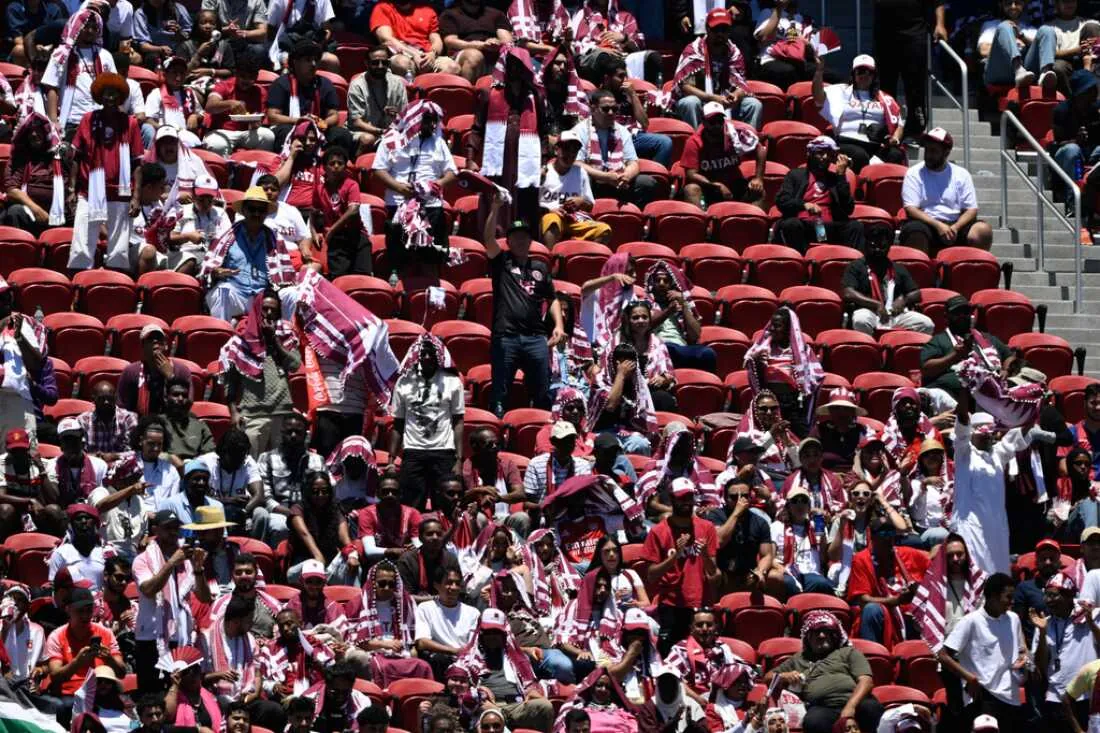
Spain defeated Argentina 1-0 on July 19 to close out the 2026 FIFA World Cup. Telemundo alone drew 23.9 million viewers for the broadcast. But now, the 39-day, 104-match marathon is over. Millions of highly engaged soccer fans are waking up to a sudden void in their daily routines.
The psychological slump that follows a major global event is a well-documented phenomenon. In a Forbes wellness guide, health experts outline specific coping mechanisms for fans struggling with the quiet reality of a four-year wait. The 2030 tournament, set to be hosted in Morocco, Portugal, and Spain, feels like a lifetime away.
This emotional flatlining happens globally. Psychologists tracked similar widespread post-tournament depression immediately following the 2010 World Cup. Researchers at the time warned that up to 40 percent of British fans risked feeling emotionally flat once the communal euphoria disappeared.
Fans build their summer schedules entirely around checking match results and attending watch parties. When that abruptly stops, the brain misses the routine. Experts recommend a structured approach to transition out of the tournament mindset.
First, acknowledge the shift. The loss of community interaction is a physical reality. Second, redirect the energy. Joining local soccer clubs or following domestic leagues helps maintain the social connections forged over the last month. Finally, pace the transition. Do not immediately isolate after 39 days of high social engagement.
Why Post-Tournament Depression Paralyzes Global Audiences
The sudden drop in communal viewing directly alters a fan’s daily chemical baseline. Events like the World Cup provide a persistent, month-long drip of social interaction and anticipation. When Spain lifted the trophy, that structural routine vanished.
The real-world physical impact is a sharp reduction in casual social bonding. Fans who spent weeks gathering at bars, offices, and living rooms suddenly return to standard, isolated routines. The coping strategies focus heavily on replacing that lost community infrastructure. By shifting attention to local sports, fans can artificially recreate the social touchpoints that the World Cup naturally provided, buffering the emotional crash of the four-year gap.