
On August 12, a highly anticipated total solar eclipse will sweep across the Northern Hemisphere. The celestial event is historically significant, marking the first time a total solar eclipse is visible from mainland Europe since August 1999. But getting a front-row seat is proving to be incredibly difficult. The logistical complexity of reaching remote regions in the path of totality is colliding with elevated global jet fuel costs, forcing some international travelers to abandon their trips entirely and scale back to domestic vacations.
If you are still planning to go, you have a few specific targets. The path of totality will visibly cross the Arctic Ocean, Greenland, Iceland, and parts of Europe before passing over Portugal. The exact timing and duration of the event vary heavily depending on your geographic location. Viewers in Greenland near Scoresby Sund will see totality at 4:35 pm CGST. Those in Iceland’s capital, Reykjavik, can expect the eclipse to peak at 5:48 pm GMT.
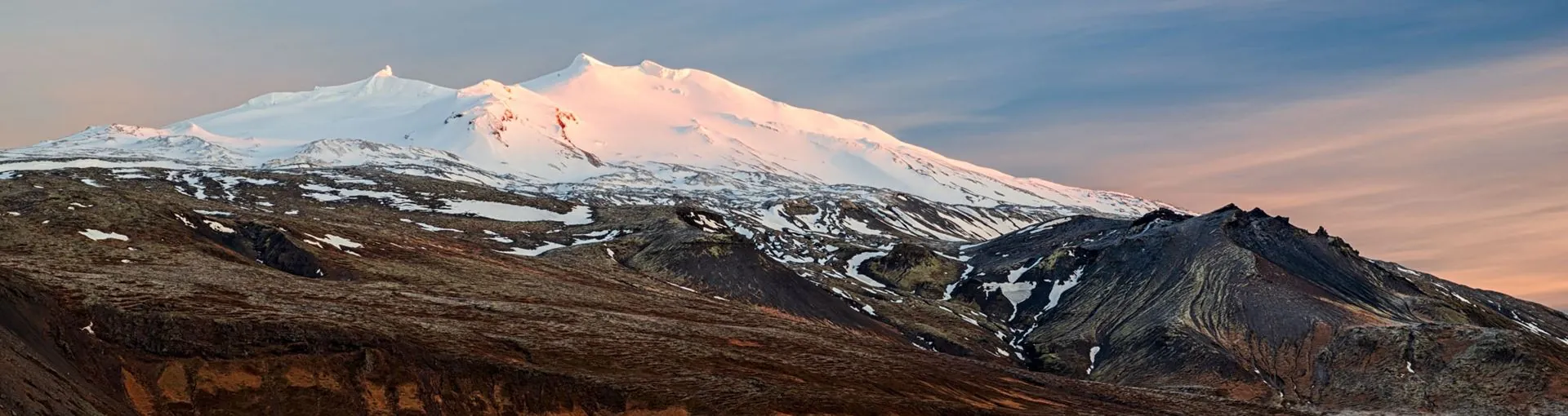
For the best experience, you might want to look toward Iceland’s Snaefellsjökull National Park. This location offers the longest easily accessible viewing window, giving skywatchers roughly 2 minutes and 10 seconds of totality. In contrast, locations in northern Spain like A Coruña will see about 1 minute and 15 seconds of totality starting at 8:27 pm CEST. Because of the evening timing in Europe, the eclipse will sit very low on the horizon in Spain, requiring you to find an unobstructed western view to actually witness the phenomenon.
Booking a last-minute trip to these regions is going to cost you. The scramble to secure expensive flights and regional car rentals is putting a severe strain on vacation budgets, according to a recent Associated Press report on the financial challenges travelers face when booking expensive trips to northern Spain for the eclipse. The extreme demand for accommodations along the narrow path of totality means you need to finalize your plans immediately if you want to catch Europe’s first major eclipse in over two decades.