
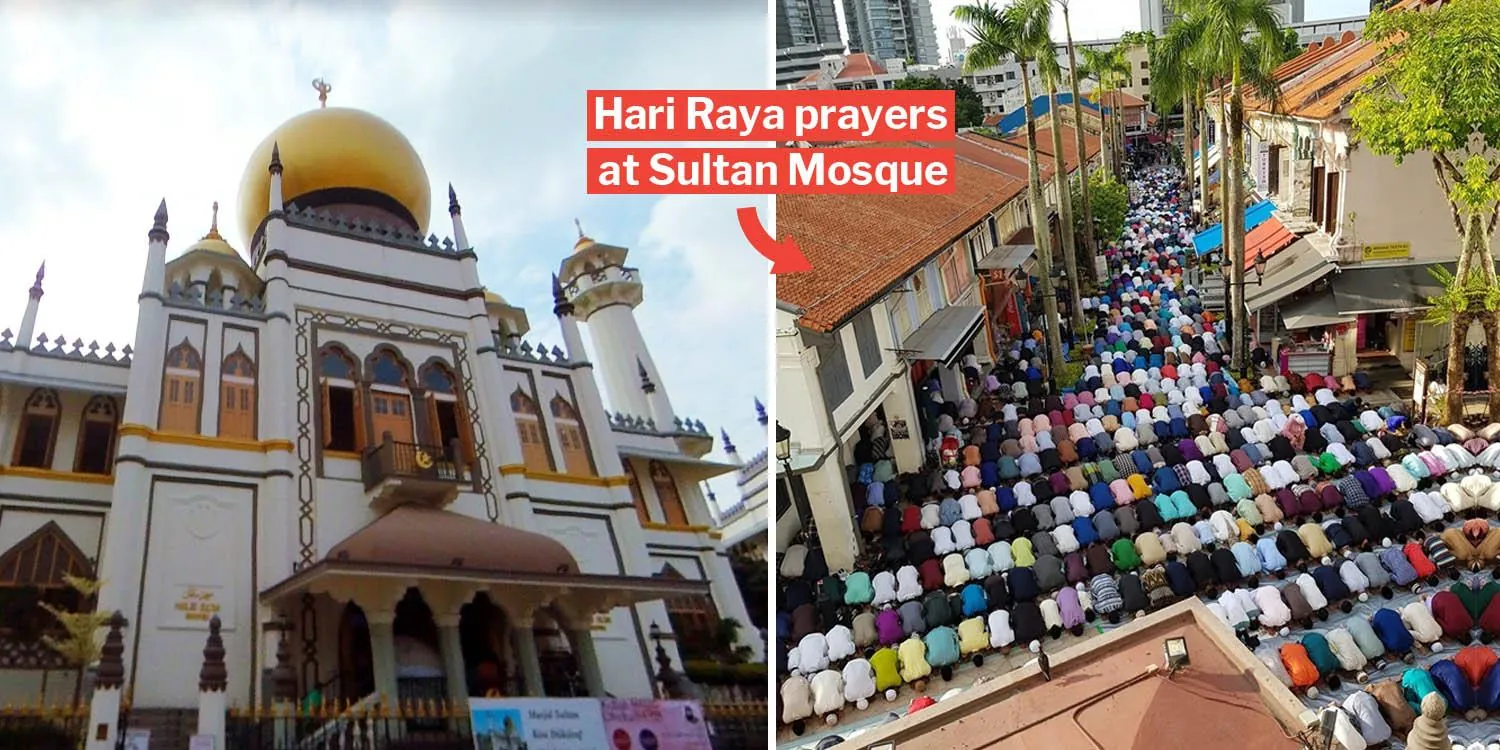
Millions of Muslims around the world are gathering to observe Eid al-Adha today. Known as the Festival of Sacrifice, the holiday falls on Wednesday, May 27, and marks one of the most spiritually significant moments in the Islamic faith. Families exchange greetings of “Eid Mubarak” as they come together for morning prayers, share meals, and reflect on themes of devotion.
If you look at the Islamic lunar calendar, you notice there are two major holidays with similar names but very different focuses. The first is Eid al-Fitr, which arrived earlier in the year to celebrate the successful completion of the month-long Ramadan fast. Now we have Eid al-Adha, a profound occasion that arrives during the annual Hajj season and focuses entirely on sacrifice, faith, and charity.
The timing of these events depends entirely on the moon. Eid al-Adha officially lands on the 10th day of Dhul Hijjah, the twelfth and final month of the Islamic year. Because this holy month began on May 18, the exact Wednesday calendar date is now underway. For the past week and a half, observers have treated these first 10 days of Dhul Hijjah as a highly sacred period filled with heightened prayer, fasting, and deep reflection.
The roots of today’s observance trace back to the story of Prophet Ibrahim, known as Abraham in the Christian and Jewish traditions. The holiday honors his absolute willingness to sacrifice his own son in obedience to God. According to an explainer published by USA Today, God intervened and provided a ram in the son’s place. This act of ultimate faith is what gives the Festival of Sacrifice its name and its lasting spiritual weight.
Beyond the local community gatherings and family feasts, this holiday is tied directly to a vast international movement. Eid al-Adha coincides directly with the Hajj pilgrimage to Mecca in Saudi Arabia. Every able-bodied Muslim with the financial means is expected to make this journey at least once in their life. The broader global observance happening right now connects millions of people standing on the plains of Mount Arafat with families praying in their local mosques from Chicago to Jakarta. It is a shared moment of obedience, charity, and communal strength.