
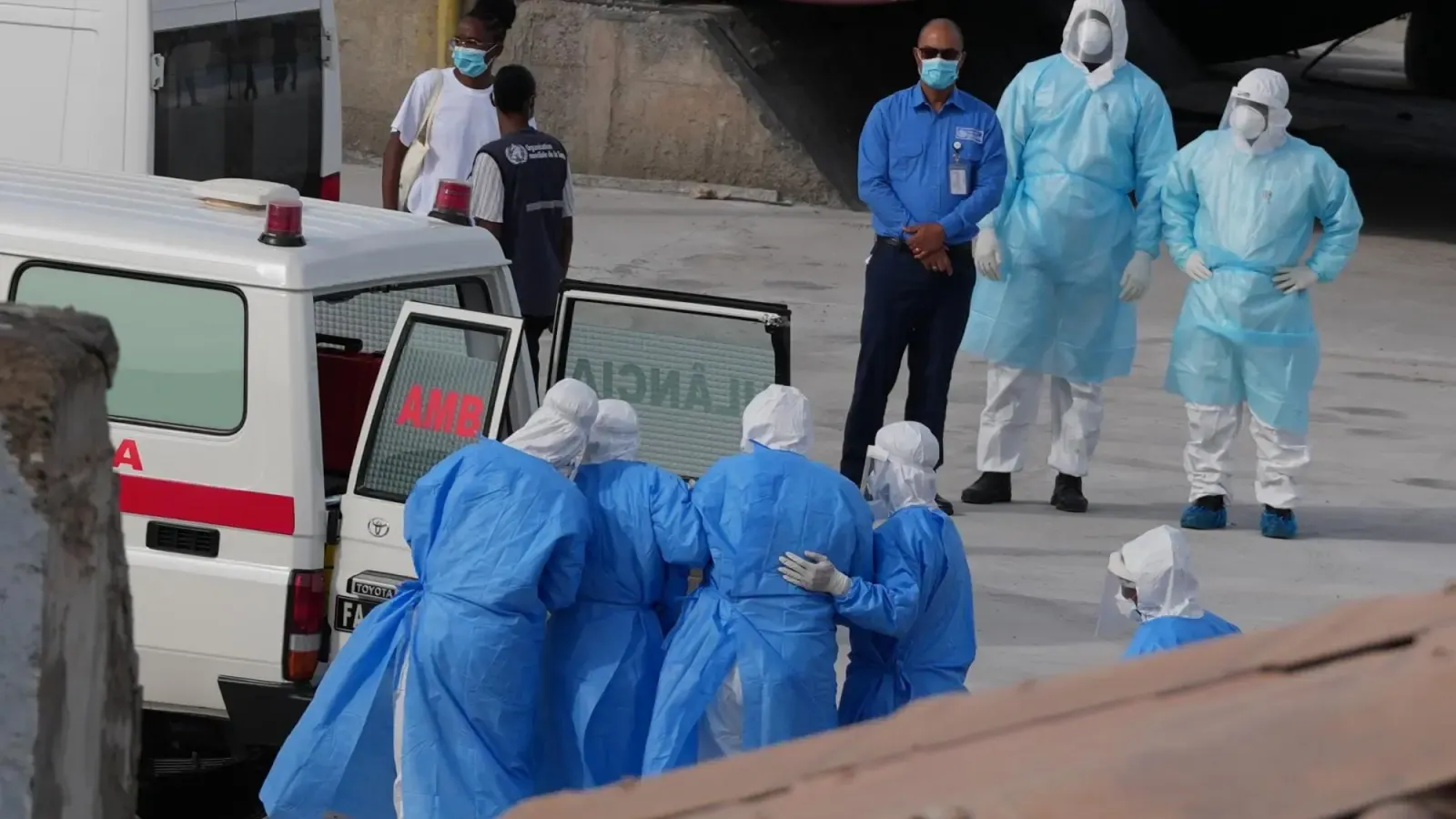
The massive global track-and-trace operation for a rare, human-transmissible hantavirus just reached a critical phase. The grueling two-day hazmat evacuation operation in Tenerife for the MV Hondius cruise ship concluded on Monday. Medical workers escorted the final passengers onto chartered flights bound for over 20 different countries.
The numbers are climbing. Three additional individuals either tested positive or are suspected of infection as the disembarkation finished. This brings the total number of confirmed or suspected cases linked to the luxury vessel to 10. Three people have died.
The timeline reveals how quickly the situation escalated. The ship departed Ushuaia, Argentina, on April 1. A 70-year-old Dutch passenger fell ill on April 6 and died. Authorities in Cape Verde denied the ship permission to dock.
A major complication happened weeks later. Twenty-nine passengers disembarked in St. Helena on April 24. They dispersed internationally before anyone officially identified the virus. This sparked an immediate worldwide alert from the World Health Organization.
Medical teams are tracking specific cases closely. The confirmed cluster now includes the newly infected French and American passengers. One repatriated American tested mildly PCR positive for the lethal Andes strain. Another American showed mild symptoms.
Countries are taking extreme precautions. The United States activated a Department of Health and Human Services response to transport its evacuees directly to a specialized biocontainment facility in Nebraska.
How the Andes Strain Outbreak Rewrites Quarantine Logistics
International travel protocols are shifting rapidly. Human-to-human transmission of any hantavirus is exceptionally rare. The Andes strain is the only known variant capable of it. The World Health Organization previously tracked a similar outbreak in Argentina between 2018 and 2019 where three individuals infected 34 others.
We are seeing a massive change in health coordination. Governments are no longer relying on localized hospital isolation for cruise outbreaks. They are enforcing strict, long-term national mandates. The UK is now requiring a 45-day isolation period for its returning citizens in Merseyside. France initiated emergency decrees to enforce strict passenger isolation at home. The logistical burden has moved from the sea to multiple international jurisdictions simultaneously.