
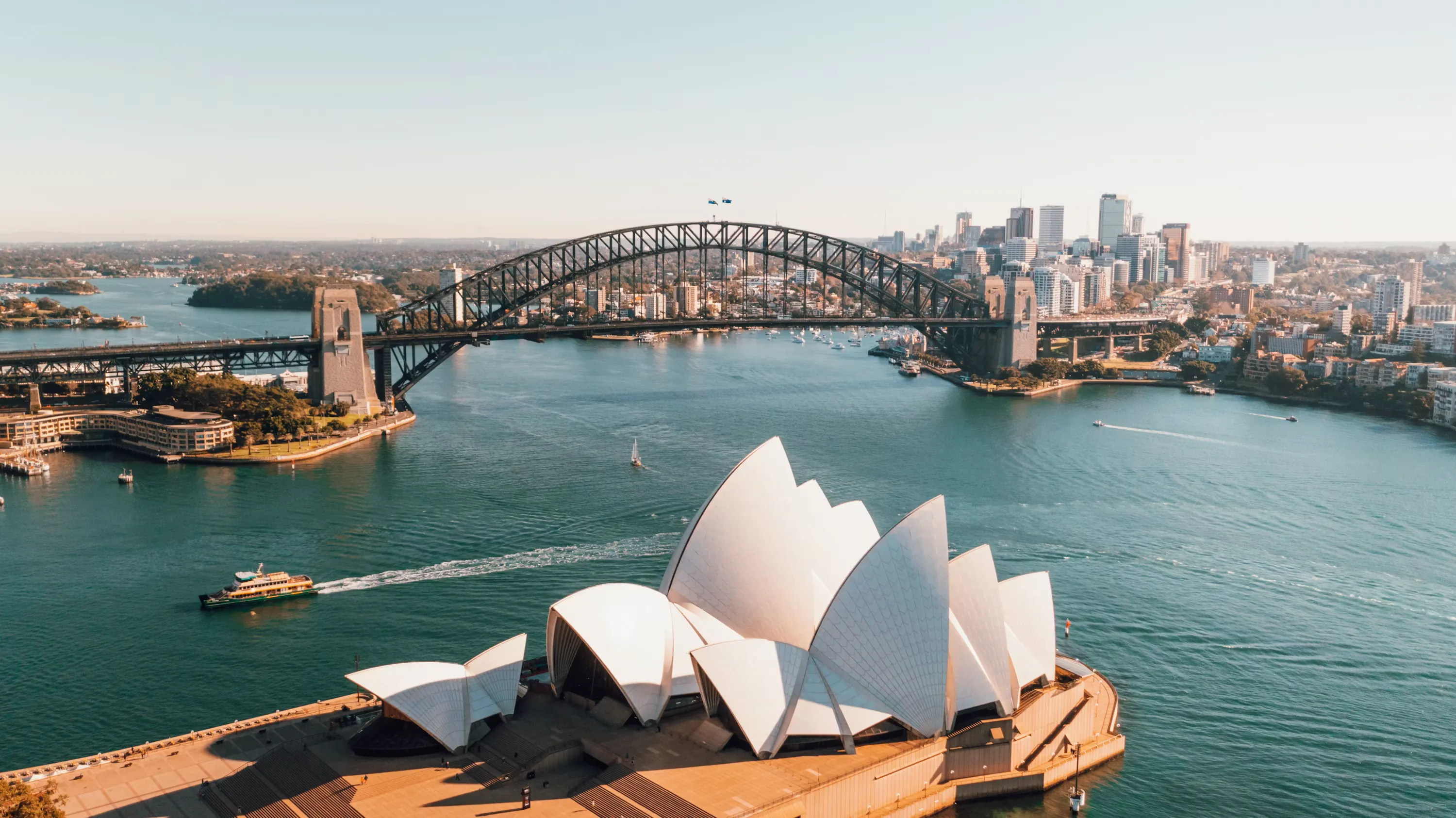
In exactly two years, a total solar eclipse will plunge Sydney Harbor into midday darkness. The official countdown to July 22, 2028, starts today. The moon’s shadow will sweep across Australia from the northwest to the southeast. It will completely block the sun and reveal the solar corona to millions of onlookers.
Because the path directly intersects a massive global city on a Saturday, experts anticipate it will be one of the most accessible astronomical events of the 21st century. Sydney residents will experience 3 minutes and 45 seconds of total darkness. That makes the city a prime destination for international tourism.
The 2028 event is the second in a highly anticipated sequence of five total solar eclipses crossing Australia between 2023 and 2038. This rare cluster is tracked in a geographic breakdown detailing the path of totality and the broader 2023-2038 eclipse quintet. The path will begin in the Indian Ocean and pass over the Cocos and Christmas Islands. It will then traverse Western Australia’s Kimberley region, the Northern Territory’s Karlu Karlu, and New South Wales.
After crossing the Australian continent, the shadow will travel across the Tasman Sea to cover New Zealand’s South Island. The specific timing is documented in a comprehensive breakdown of the totality durations across different Australian and New Zealand territories. While Sydney is drawing massive attention, the absolute peak duration of the eclipse will not happen on the coast. A remote region of northern Western Australia will see 5 minutes and 10 seconds of totality.
This event carries major historical weight for the region. It marks the first total solar eclipse visible from Sydney since March 26, 1857. That is a 171-year gap. After 2028, the city will not see another one until the year 2858.
Why Dedicated Eclipse Chasers Are Bypassing Sydney for the Outback
Sydney offers unmatched urban accessibility and global flight connections. However, dedicated astronomical tourists and photographers are actively planning to avoid the coast. They are expected to flock to the Australian Outback instead.
Locations like the Bungle Bungles or Kununurra are becoming the primary targets for serious eclipse chasers. Historical weather data shows a significantly higher probability of clear winter skies in these inland regions. Coastal cities carry a higher risk of cloud cover. Observers are already preparing equipment, relying on a local viewing guide detailing safe observation practices and exact countdown metrics for the Sydney 2028 eclipse.
The choice comes down to logistics versus visibility. Urban viewers get the iconic backdrop of the Sydney Opera House and Harbor Bridge. Outback travelers trade the city skyline for a higher chance of an unobstructed view.