
The United Kingdom just endured its hottest May day in 82 years, with temperatures peaking at an unprecedented 34.8 degrees at Kew Gardens. That historic, continental high-pressure system cooked southern and eastern England over the three-day bank holiday weekend, pushing local thermometers up to 33 degrees.
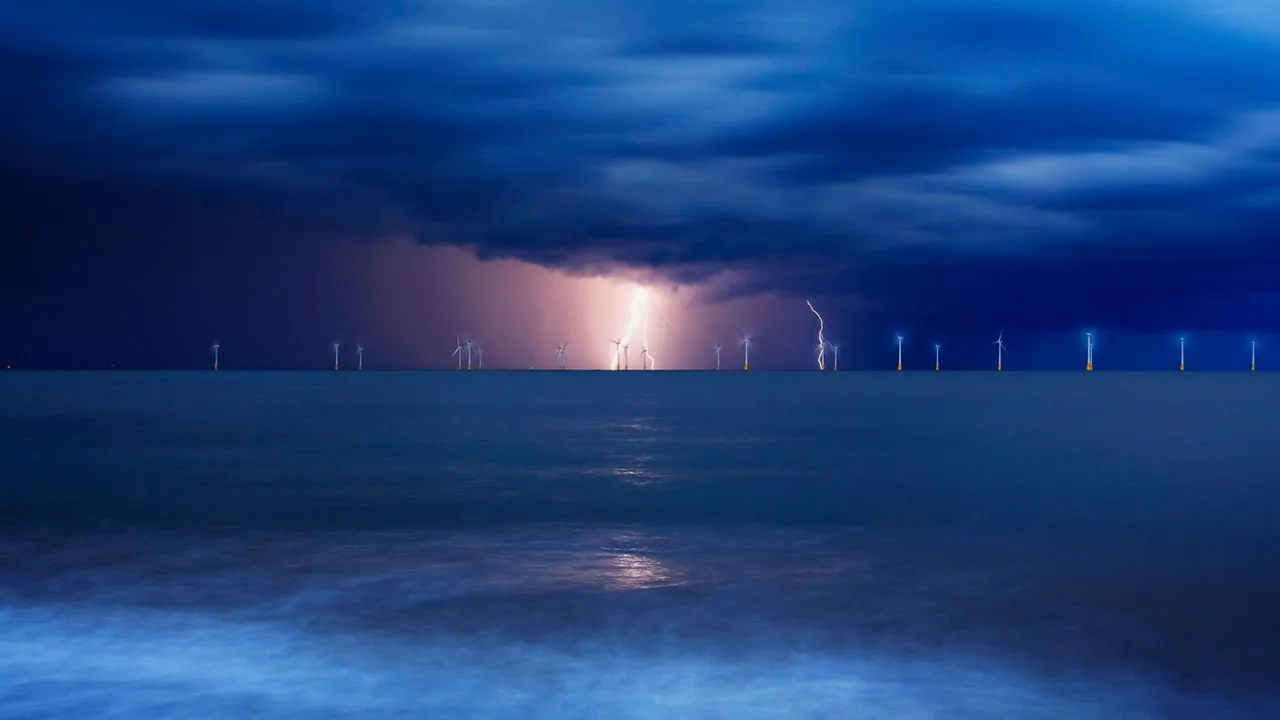
Overnight, that atmospheric tension finally snapped. Severe thunderstorms and intense lightning violently broke the heatwave across Norfolk, triggering a yellow Met Office weather warning from 10:00 PM Tuesday until 2:00 AM Wednesday. The sudden weather shift brought heavy rain and complex driving conditions to the region.
The science behind this change is fascinating. The storms fired up because cooler air suddenly arrived and forced the built-up hot, moisture-heavy air to rise rapidly. That hot air was left over from Monday, when the national May temperature record broke at 34.8 degrees, toppling a high that stood since 1944.
Authorities warned residents about localized flooding and slight chances of power cuts or building damage from lightning strikes and hail. The intense humidity that defined the bank holiday collapsed almost entirely within that four-hour window.
How Extreme Heat Buildup Fuels Severe Lightning
When extreme heat sits over a region for multiple days, the atmosphere acts like a giant, charging battery. The energy required to break the 1944 temperature record provided the exact physical fuel needed for this electrical storm. The hot surface air holds an enormous amount of moisture, creating an incredibly unstable environment.
As the cooler air front pushed into East Anglia, it acted like a wedge. It drove the trapped, 33-degree air upward at high speeds. This rapid vertical lift creates tall cumulonimbus clouds, often reaching miles into the sky. Inside those clouds, rising ice crystals crash into falling hail.
This friction strips electrons away, generating the massive electrical charges that eventually discharge as the lightning that lit up Norfolk. This physical process explains why historic heatwaves rarely fade away quietly. They usually end with a violent transfer of energy back into the upper atmosphere.