
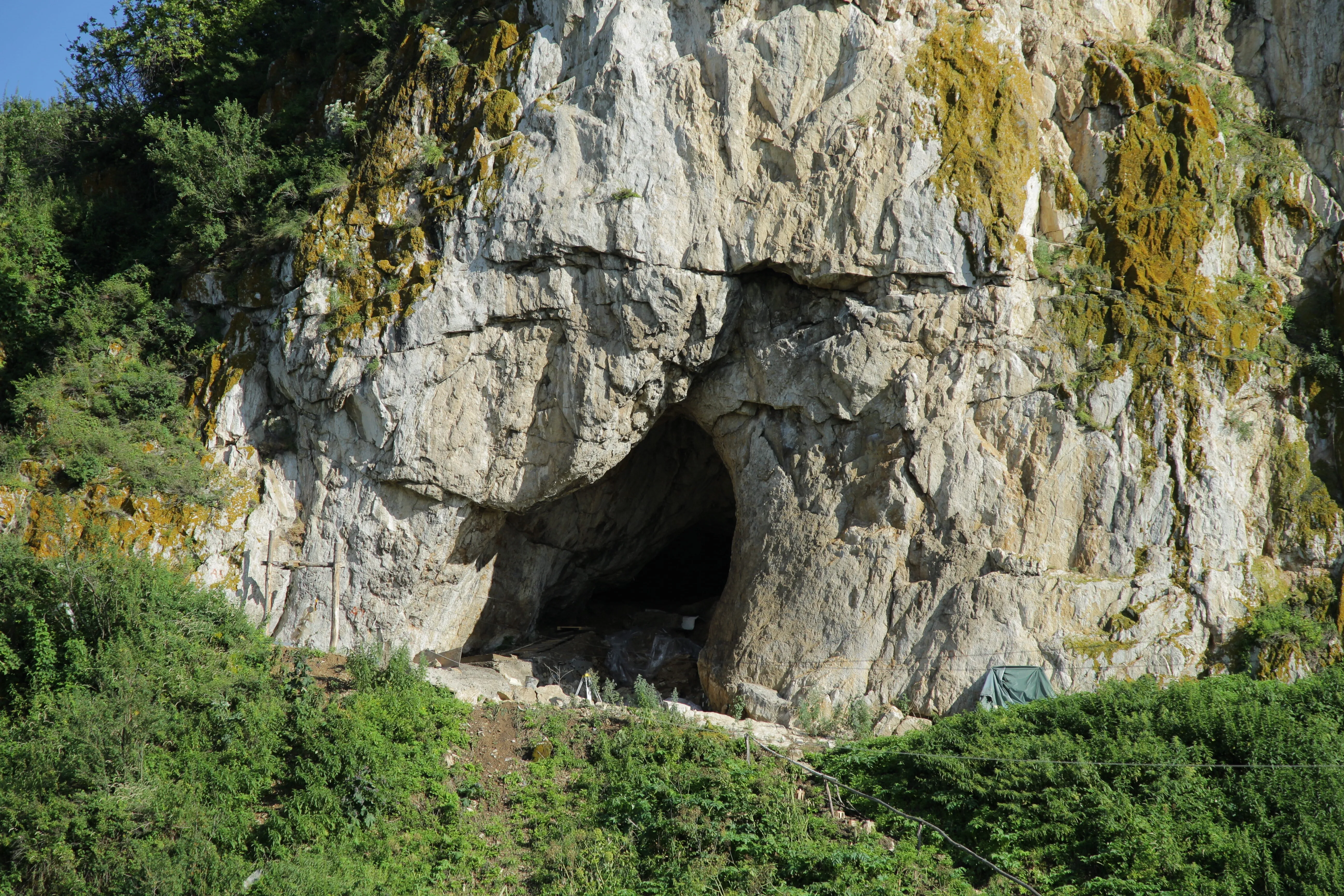
A Russian Academy of Sciences team just pushed the history of medicine back by tens of thousands of years. Researchers examining a 59,000-year-old Neanderthal molar found clear evidence of deliberate dental surgery. The tooth, discovered in Siberia’s Chagyrskaya Cave and labeled Chagyrskaya 64, features a deep hole scraped out by a sharp stone tool to relieve an agonizing infection.
The detailed study led by Dr. Aliza Zubova was published in the journal PLOS ONE by the Russian Academy of Sciences team. The discovery proves that advanced pain management and surgical intervention existed long before modern humans started practicing medicine.
To verify how the ancient procedure worked, researchers used microtomography X-rays to map the microscopic grooves left inside the tooth. They then took modern human teeth and replicated the exact stone-age drilling technique. The tests confirmed the Neanderthal ‘dentist’ knew exactly what they were doing to remove decayed tissue.
Justin Durham, a Professor of Orofacial Pain at Newcastle University and the British Dental Association’s chief scientific adviser, called the ancient procedure a “phenomenal achievement.” He explained that drilling the hole relieved the intense pressure trapped inside the “closed box” of the infected tooth, a method equating the stone drill mechanics to the beginnings of a root canal treatment.
How Chagyrskaya 64 Rewrites the Timeline of Early Medicine
Before this discovery, the earliest known evidence of dentistry belonged to a Homo sapiens skeleton found in Italy, dating back just 14,000 years. The Siberian molar shifts that timeline, pushing the first recorded dental intervention back by more than 40,000 years.
More importantly, it is the absolute first time scientists have proven that a species other than modern humans performed medical procedures. The Neanderthals were not just surviving the harsh ice age. They were actively treating each other’s medical emergencies.