
The sudden illness aboard the MV Hondius cruise ship has understandably sparked public fear. Images of quarantined passengers bring back fresh memories of global lockdowns. But a much larger geopolitical crisis is quietly dictating how the world handles this exact emergency. The United States recently withdrew from the World Health Organization. Because of that exit, American leadership is completely absent from the international coordination effort to contain the threat.
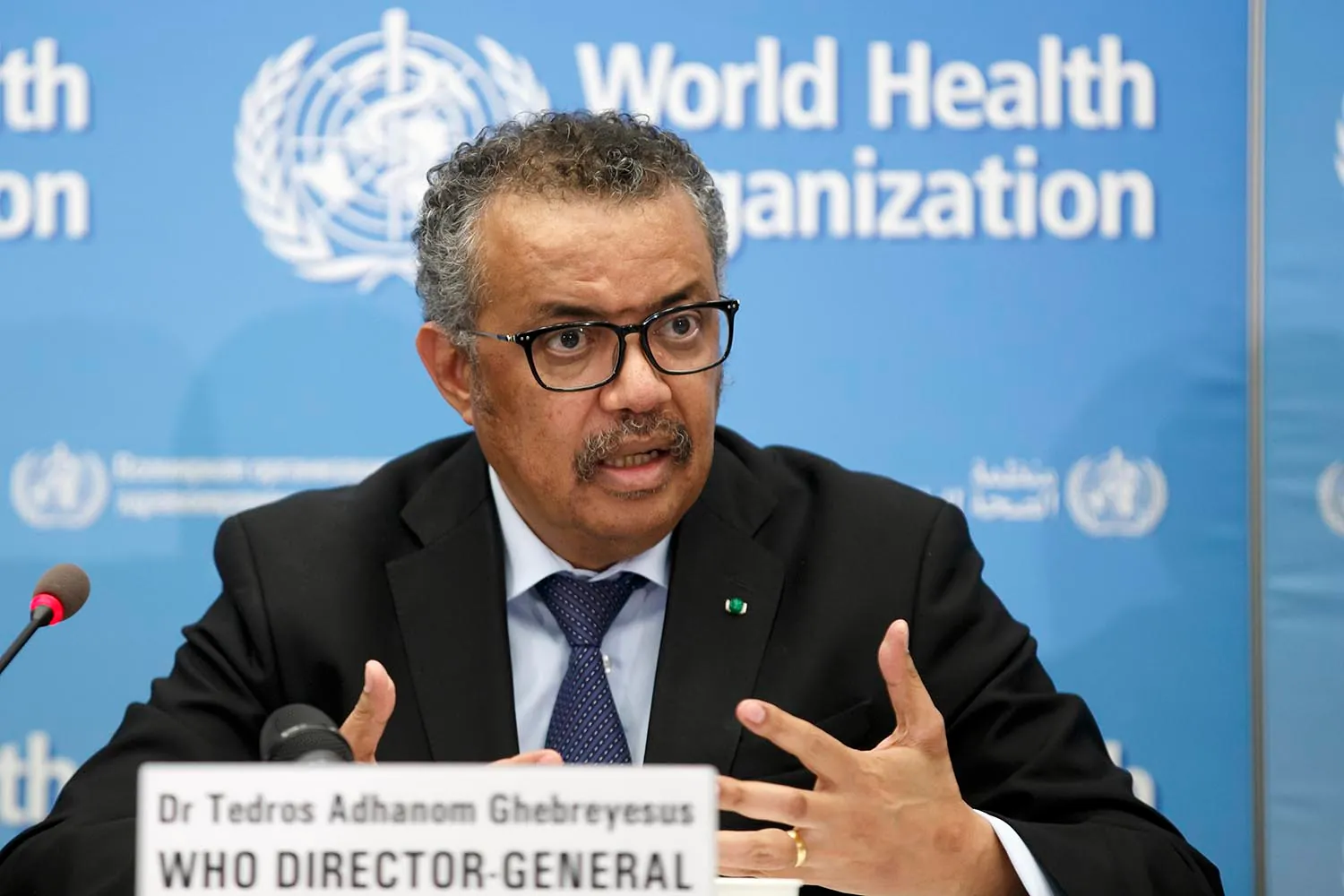
Despite that massive gap in resources, global health agencies are stepping up to calm the public. The World Health Organization issued official statements downplaying the pandemic risk of the cruise ship cluster. The agency confirmed the situation poses a low threat to the broader world. It is not the start of another COVID-style crisis.
The virus spreading on the ship is the rare Andes strain. It is unique because it can transmit from human to human through close contact. Officials traced the origin back to a Dutch couple. They likely contracted the virus during a bird-watching trip in Argentina before boarding the ship in Ushuaia. Up to eight cases are now confirmed or suspected. Between three and five passengers have died.
“This is not the same situation we were in six years ago,” WHO epidemic preparedness director Maria Van Kerkhove said during a recent briefing.
The agency is moving fast. They just shipped 2,500 diagnostic kits to five different countries. Health authorities are running massive contact-tracing operations for all passengers who disembarked in Saint Helena.
Individual nations are running their own protocols as they track the rare infection globally. Singapore’s Communicable Diseases Agency formally isolated two asymptomatic residents who returned from the ship. The US CDC is monitoring specific passengers who traveled back to Georgia, California, and Arizona.
How the U.S. Exit from the WHO Alters Global Pathogen Tracking
The global response to the MV Hondius reveals a strict new reality for international medicine. The United States is no longer coordinating the defense. American scientists face severe new limitations in their ability to track rare global pathogens.
Health analysts warn that domestic capacity cuts have fundamentally altered international pandemic preparedness. We are seeing the immediate results of this policy shift. The current absence of US leadership in the global response forces European and African health ministries to build new communication networks on the fly. The WHO is currently managing the bulk of the international contact tracing across three continents without traditional American intelligence sharing.