
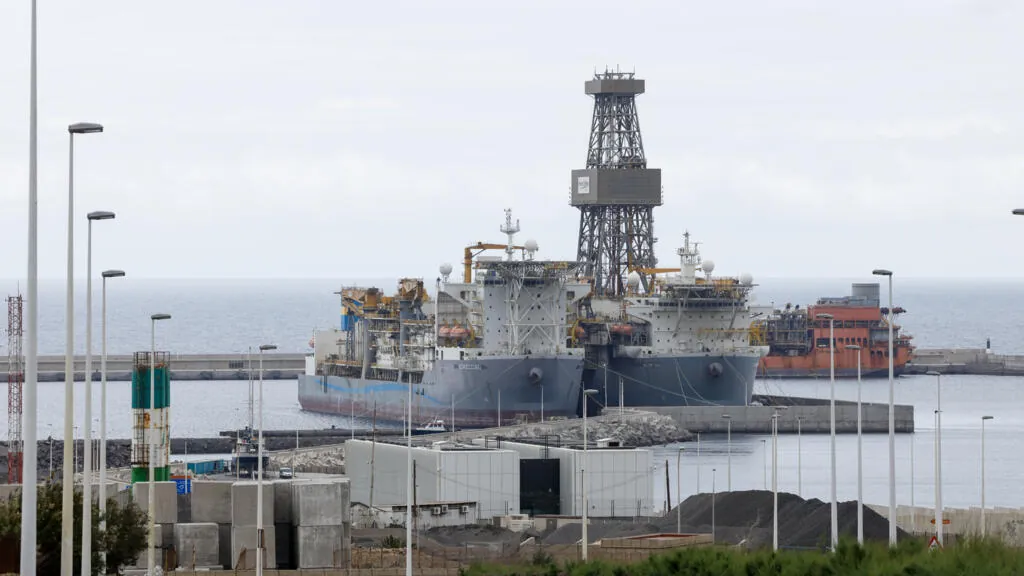
A deadly outbreak of the rare Andes hantavirus has forced an international rescue mission off the coast of Spain. The Dutch-flagged MV Hondius cruise ship is currently sitting at the port of Granadilla in Tenerife. Authorities just started pulling passengers off the vessel.
The virus has already killed three people. A Dutch couple and a German woman died after contracting the pathogen. Now, medical officials are racing to safely disembark the nearly 150 passengers and crew still on board.
The evacuation process looks intense. Spanish citizens were the first to leave the ship. They boarded small launch boats to reach the docks. There, medical teams in full hazmat suits met the asymptomatic passengers. The government then put them directly on military aircraft bound for Madrid.
Tracing the Outbreak
Investigators traced the origin back to the Dutch couple. They reportedly caught the rodent-borne virus during a bird-watching trip in South America. They boarded the ship in Argentina in early April. The ship then sailed through remote Atlantic islands before finally reaching Spanish waters.
This specific strain of hantavirus is dangerous because it can occasionally spread from person to person. That detail triggered massive global alarm. The World Health Organization sent Director-General Tedros Adhanom Ghebreyesus straight to Tenerife to manage the situation on the ground. He is actively fighting comparisons to the Diamond Princess crisis from the early days of the COVID-19 pandemic.
Tedros issued an open letter to Tenerife residents. He stressed that the risk to the public is low. But locals are still worried. A Tenerife port workers’ union even threatened to blockade the facility over infection fears.
How the MV Hondius Changes Global Quarantine Protocols
This outbreak exposes a massive shift in how different nations handle cross-border health emergencies. We are not seeing a unified global strategy. Instead, countries are enforcing drastically different, bespoke rules for their own citizens.
Look at the specific national responses. The UK is mandating up to 72 hours of hospital isolation, followed by a strict 45-day home quarantine. Spain is using immediate military transport and hospital quarantine. Meanwhile, the US CDC took a totally different route. They deployed a specialized team to Tenerife to run exposure risk assessments on the ground. Only then will they fly Americans back on a chartered Health and Human Services plane.
The era of leaving passengers stuck on a quarantined ship for weeks is clearly over. Governments are extracting their people immediately. But the huge differences in isolation requirements show that health agencies still cannot agree on a single baseline for containing a rare pathogen.