
The Indian Ministry of Health and Family Welfare just issued a formal travel advisory strongly urging citizens to cancel all non-essential trips to the Democratic Republic of the Congo, Uganda, and South Sudan. This directive comes right after the World Health Organization declared the escalating Central African Ebola crisis a global public health emergency on May 17.
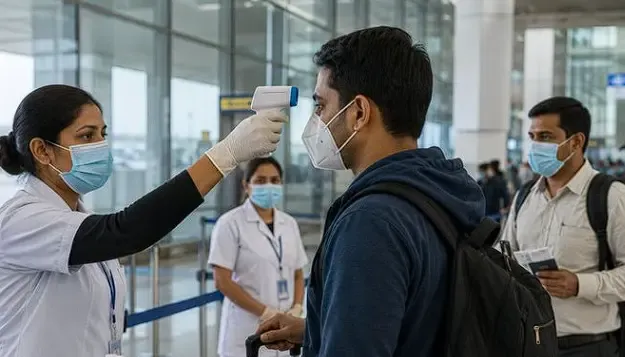
Indian authorities are tightening surveillance at all major airports and entry points. Health officials have strict orders to identify and isolate any incoming passengers showing unexplained fever symptoms or a recent travel history to the affected African nations. Right now, the government confirms India has zero domestic cases of this circulating Ebola strain.
Tracking the Bundibugyo Strain
The current outbreak is moving quickly across borders. The Democratic Republic of the Congo is bearing the heaviest burden, reporting at least 867 suspected cases and 204 deaths so far, and the virus recently crossed over to trigger infections and fatalities in neighboring Uganda. The numbers are a serious concern, but health workers are facing another specific hurdle.
This particular emergency is driven by the rare Bundibugyo strain of the Ebola virus, which currently has no approved vaccine or specific antiviral treatment available. You can read more about the rising death toll and India’s updated airport screening mandates as officials work to secure the borders. If you are currently living in or traveling through these regions, the Indian government insists you follow local health guidelines very strictly.
Global Containment and the History of DRC Outbreaks
Understanding why the WHO declared the Ebola outbreak in DR Congo a global emergency requires looking at the historical frequency of the disease in this region. This is actually the 17th recorded Ebola outbreak in the Democratic Republic of the Congo since scientists first identified the virus back in 1976. The repeated emergence of the disease places a heavy burden on local healthcare infrastructure and forces surrounding nations to stay highly vigilant.
India is not the only country adjusting its travel policies to prevent the disease from spreading globally. The United States just implemented a temporary entry ban on green-card holders who have spent time in the DRC, Uganda, or South Sudan over the last 21 days, matching the urgency of the WHO emergency declaration and India’s own safety directives.