
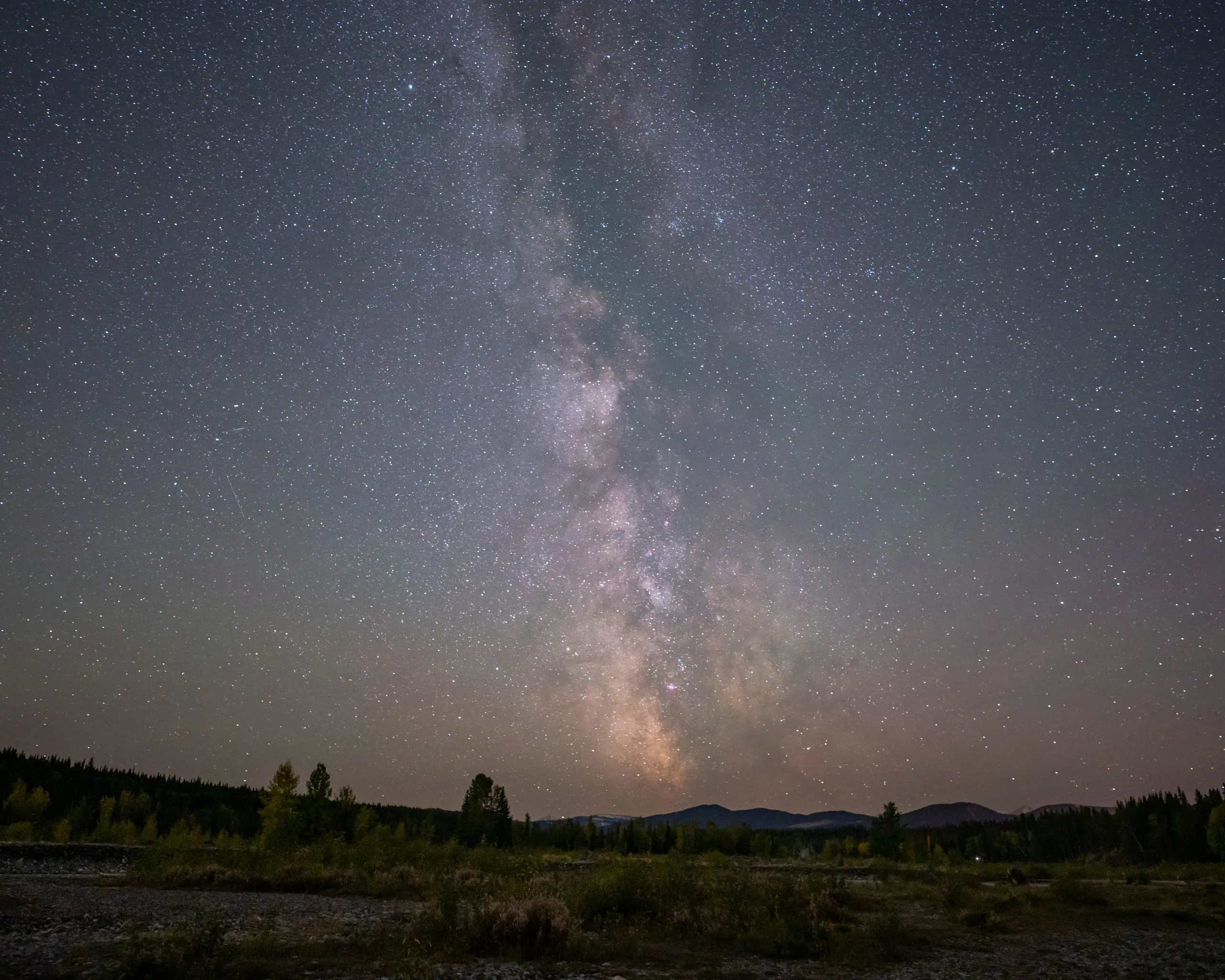
July is bringing a spectacular lineup to the night sky. We get a perfect window to see the Milky Way galaxy’s bright center, multiple planetary alignments, and the annual Full Buck Moon.
The best stargazing conditions arrive midway through the month. The New Moon hits on July 14 at 5:43 a.m. EDT. This exact lunar phase timing plunges the skies into darkness. That provides the ideal backdrop for spotting the galactic core away from city lights.
Planetary Alignments and Aphelion
Venus dominates the western sky just after sunset on July 8. It shines incredibly close to Regulus, the brightest star in the Leo constellation. A few days later on July 11, early risers can catch a 13%-lit waning crescent moon sitting right next to Mars, Aldebaran, and the Pleiades star cluster just before dawn. Missed Venus the first time? Look up again on July 17 when a waxing crescent moon passes by.
But the sky show isn’t just about the stars. On July 6, Earth officially reaches aphelion, drifting out to 152.1 million kilometers away from the Sun at the furthest point in its annual orbit. That same week brings New York City’s iconic Manhattanhenge phenomenon on July 11 and July 12, perfectly aligning the setting sun with the city’s street grid.
How the Buck Moon Disrupts the Delta Aquariids Meteor Shower
The month’s brightest event creates a serious hurdle for meteor watchers. The Full Buck Moon peaks on July 29 at exactly 10:36 a.m. EDT. Early North American settlers and Native American tribes gave the moon this traditional name. Why? Because late July is the specific time when male deer shed and regrow their antlers.
The problem is the schedule. That timing clashes directly with the month’s shooting stars. The Southern Delta Aquariids and Alpha Capricornids meteor showers peak between July 30 and July 31. Because the Buck Moon will still be roughly 98% illuminated during those nights, the intense lunar glare will wash out most of the fainter meteors.
The famous Perseid meteor shower also kicks off on July 17. You will just need serious patience to spot anything through the heavy moonlight at the end of the month.