
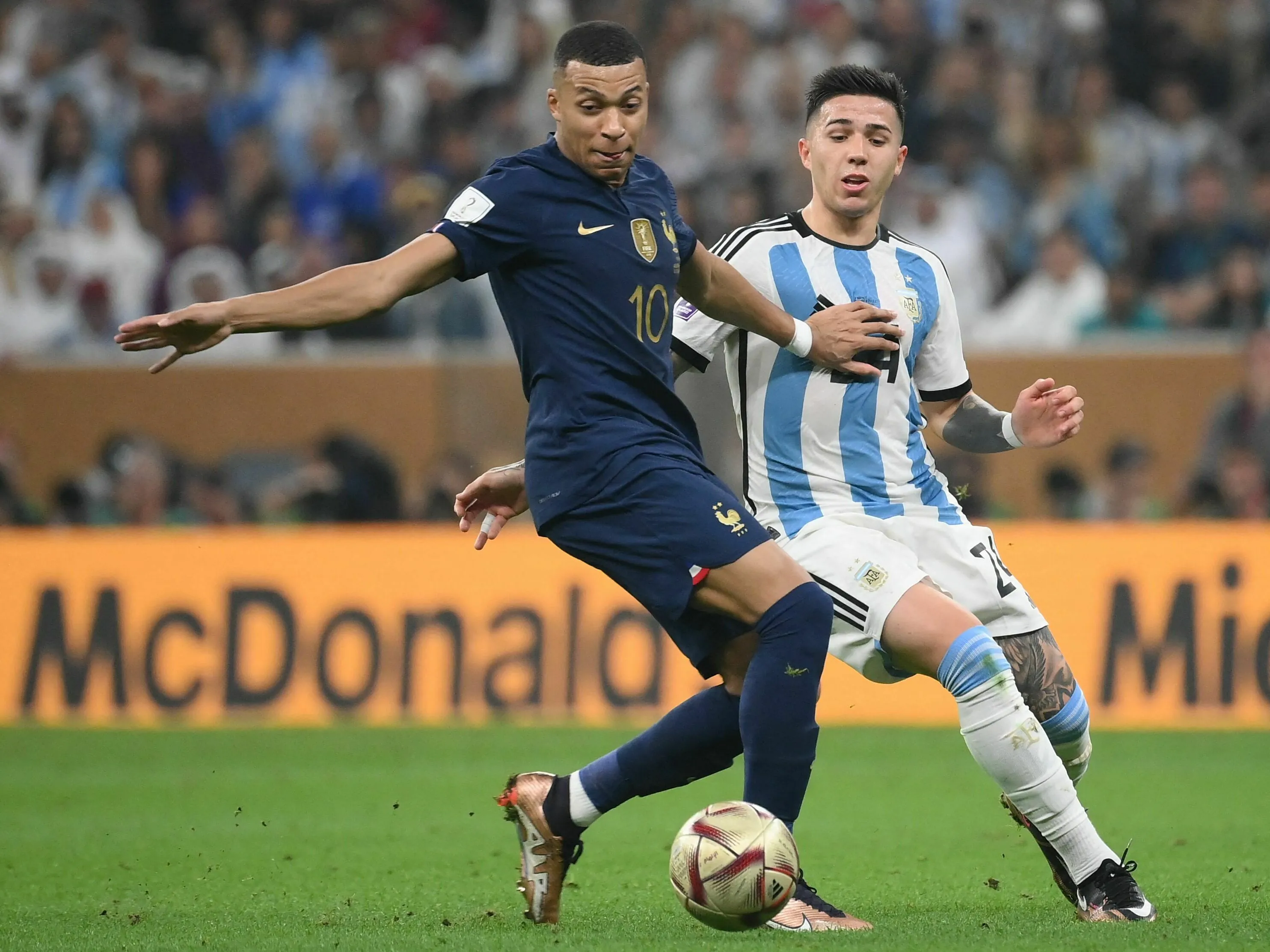
The FIFA World Cup qualification system is a massive multi-year campaign that narrows down over 200 eligible nations to a final field of 48 teams. You don’t just sign up to play in the summer tournament. National teams compete in grueling regional matches organized by six distinct continental confederations. Each continent gets a set number of direct entries and play-off spots based on its size and historical performance on the global stage.
How Qualification Works
The entire qualification process takes place over the three years preceding the main event, according to historical documentation from the Encyclopedia Britannica. FIFA does not run every single match directly. Instead, the global governing body hands the logistical keys to its six regional confederations. Those are the AFC (Asia), CAF (Africa), CONCACAF (North and Central America and the Caribbean), CONMEBOL (South America), OFC (Oceania), and UEFA (Europe). Each group determines its own specific group stages and knockout formats.
But there is one free pass in the rulebook. Host nations receive an automatic berth. For the 2026 World Cup, Canada, Mexico, and the United States bypassed the regional qualifiers completely. Official tournament records from FIFA confirm they entered directly as automatic tournament qualifiers. Every other nation has to earn their spot on the grass.
Regional Pathways and Formats
Because each continent runs its own system, the path to the World Cup looks very different depending on where a team plays. Data compiled by soccer equipment and media retailer Soccer.com details exactly how these regional gauntlets operate.
Africa (CAF) uses a highly competitive format. Their 54 member nations split into nine groups of six. Only the winner of each group advances directly to the tournament. That structure heavily punishes dropped points in the group stage. One bad game can end a four-year campaign.
South America (CONMEBOL) does things differently. They employ a unified home-and-away round-robin format involving all 10 member nations. They all play each other. The top six earn automatic qualification. The seventh-place team advances to an inter-confederation play-off.
Over in Asia (AFC), teams face a multi-stage progression. Lower-ranked teams play early elimination rounds, followed by multiple group stages to sequentially narrow down the field. Across all these games, discipline is critical. A few mistimed tackles mean players miss big matches, much like how yellow card suspensions work in major summer tournaments. You have to survive the schedule and the referee.
The 2026 Format Shift and Slot Allocations
The 2026 tournament expanded the field from 32 teams to 48 teams. This changed the math for almost every continent. FIFA distributed the new direct qualification berths based on a strict slot allocations breakdown.
- UEFA (Europe): 16 direct slots
- CAF (Africa): 9 direct slots, 1 play-off slot
- AFC (Asia): 8 direct slots, 1 play-off slot
- CONCACAF (North/Central America): 6 direct slots (including the 3 hosts), 2 play-off slots
- CONMEBOL (South America): 6 direct slots, 1 play-off slot
- OFC (Oceania): 1 direct slot, 1 play-off slot
That extra room created unprecedented pathways for nations to make their first appearance. The numbers don’t lie. In 2026, Cape Verde, Curaçao, Jordan, and Uzbekistan all successfully qualified to make their tournament debuts.
The Inter-Confederation Play-Offs
The final two spots in the 48-team tournament come down to a high-stakes mini-tournament. This event features six teams. One team comes from every confederation except UEFA, plus an additional team from the host confederation.
In March 2026, Mexico hosted this play-off tournament using single-leg knockout brackets. When matches end in a draw, they proceed to 30 minutes of extra time and then penalty shootouts. The pressure is completely identical to the main World Cup knockout stage tiebreaker system. Iraq and DR Congo won their respective brackets in 2026. They secured the final two tournament tickets based on the inter-confederation play-offs specifics recorded by Wikipedia.
Common Misconceptions and Rule Debates
A lot of casual fans assume the World Cup has always been this large. It hasn’t. According to archived tournament data from Wikipedia, the main event expanded from 16 teams until 1978, to 24 teams between 1982 and 1994, and then to 32 teams from 1998 to 2022. The 48-team roster is just the latest step in a long line of historical tournament expansions.
People also misunderstand the tie-breaker rules. With the 2026 expansion, FIFA adjusted the group stage tie-breakers. They now prioritize head-to-head points over overall goal difference when separating teams that finish level on points.
Before finalizing the 2026 group stage, FIFA strongly considered using three-team groups. Critics argued this increased the risk of collusion between teams in the final group match. FIFA listened to the feedback and went back to a safer format of 12 groups of four teams instead.
Frequently Asked Questions
Do host countries have to qualify for the World Cup?
No, host nations receive an automatic berth to the tournament. For the 2026 World Cup, co-hosts Canada, Mexico, and the United States qualified automatically without participating in the regional qualifiers.
How many teams qualify for the FIFA World Cup?
As of the 2026 tournament, 48 teams qualify for the final event. This is a significant increase from the 32-team format that was used continuously between 1998 and 2022.
How are World Cup qualification slots divided among continents?
FIFA gives slots based on the relative strength and size of the six continental confederations. For 2026, Europe received 16 direct slots, Africa secured 9, Asia took 8, North/Central America held 6, South America received 6, and Oceania got 1. Two additional slots are decided by an inter-confederation play-off tournament.