
Cardiologists have long suspected a connection between chronic oral health issues and cardiovascular disease. That epidemiological hunch just gained specific biological proof. New preliminary research reveals that a common bacterium responsible for gum disease actively contributes to calcium buildup in the heart’s aortic valve.
The condition, known as calcific aortic valve stenosis (CAVS), gradually thickens the valve and restricts blood flow from the heart to the rest of the body. Because there are currently no proven medications to prevent or slow CAVS, identifying the exact bacterial trigger opens a highly anticipated door for future preventative therapies.
Isolating the Bacterial Trigger
Researchers presented their findings on July 13 at the American Heart Association’s Basic Cardiovascular Sciences Scientific Sessions in Boston. The study zeroes in on Porphyromonas gingivalis, a bacterium notorious for causing gum inflammation and destroying tissue.
Chenyang Li, M.D., a co-lead author of the study from Fuwai Hospital’s National Center for Cardiovascular Diseases in Beijing, detailed how the bacteria travel from the mouth to the heart. In laboratory tests, researchers analyzed human heart valve tissue collected during replacement surgeries. They discovered a surprising abundance of P. gingivalis specifically in calcified valves compared to healthy tissue.
The team then confirmed the mechanism through mouse models. Repeated exposure to the bacteria caused calcium deposits to accumulate in the aortic valves. The bacteria activate an inflammation-promoting protein called interleukin-1 beta (IL-1β). But when researchers genetically deleted the IL-1β pathway, or administered preventive antibiotics, the valve calcification and disease symptoms significantly dropped, according to the primary study details released by the AHA.
Human clinical studies are already underway to verify these mouse model findings. The urgency makes sense. Severe CAVS often requires open-heart valve replacement surgery, making early intervention critical.
Why Dentists Are the New Front Line for Heart Health
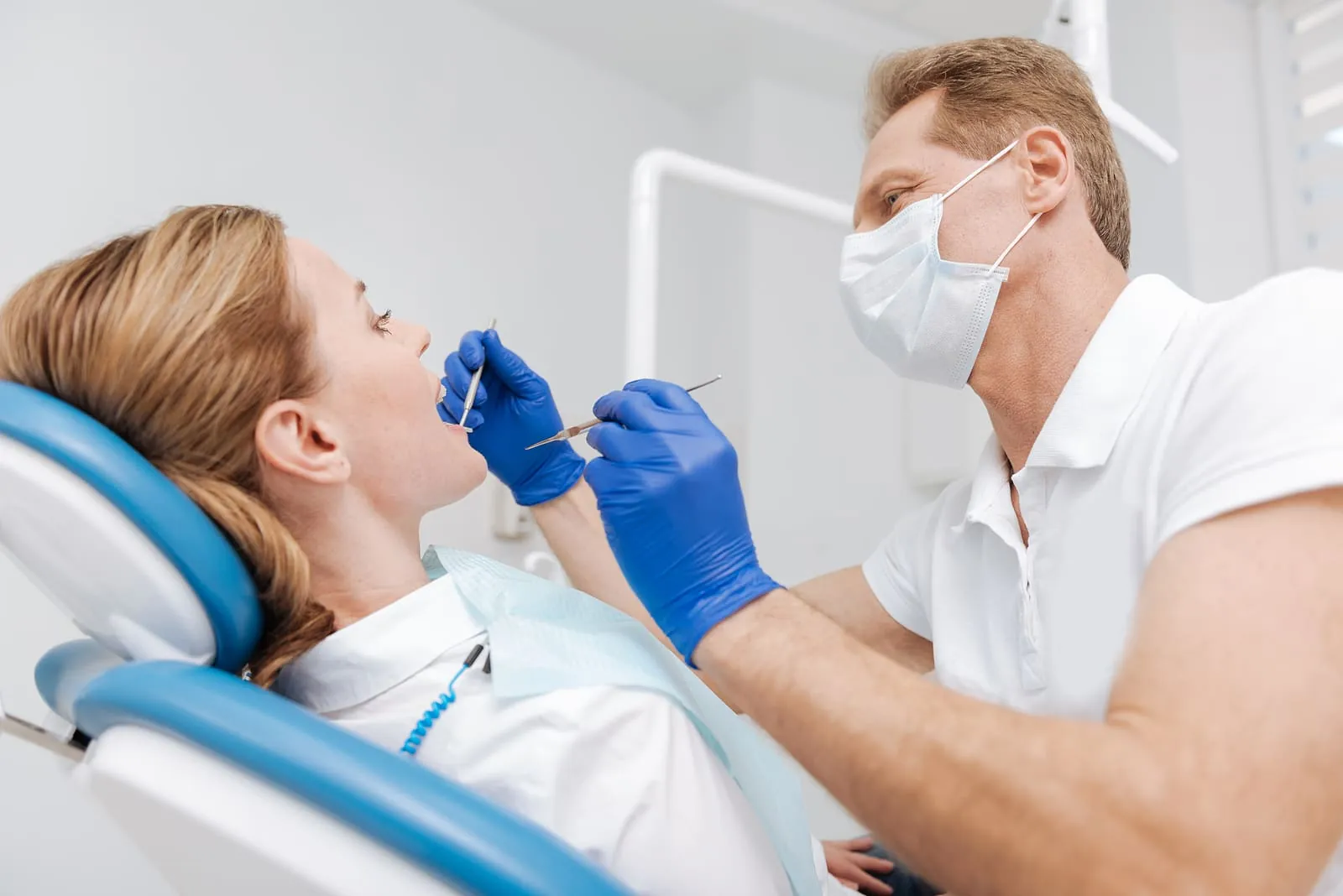
This biological confirmation elevates routine dental checkups from a cosmetic chore to a vital cardiovascular screening. Eduardo Sanchez, M.D., the AHA’s chief medical officer for prevention, noted that dental professionals are often a patient’s most consistent connection to the healthcare system.
The findings directly reinforce the AHA’s “Healthy Smiles, Healthy Hearts” initiative. This program trains dentists to spot early cardiovascular warning signs, including conducting standard blood pressure screenings right in the dental chair. The focus on oral hygiene is already seeing wider traction, corroborated by independent medical industry reporting tracking the integration of dental and systemic health records.
The practical takeaway is simple. Managing periodontal disease through good oral hygiene is no longer just about saving your teeth. It actively reduces the inflammatory pathways that threaten your heart valves.