
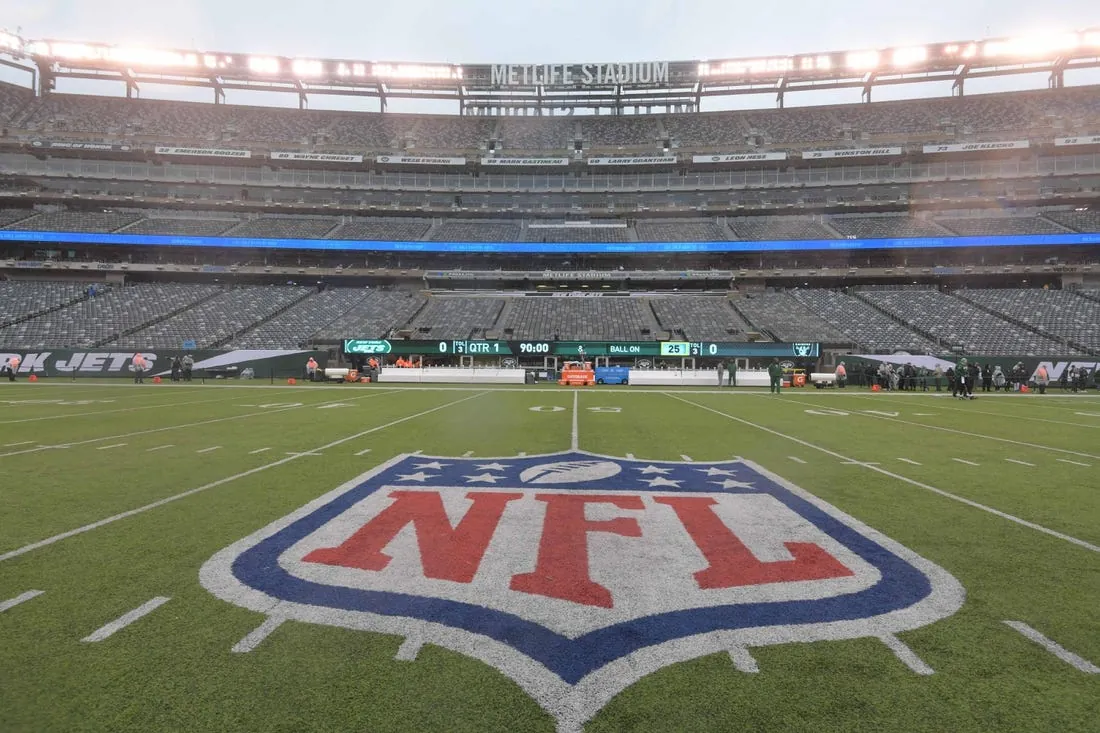
The 2026 FIFA World Cup spans 16 venues across the United States, Canada, and Mexico. Many of these locations, including NFL sites like MetLife Stadium, rely entirely on artificial turf. FIFA regulations strictly prohibit artificial surfaces for tournament play. To solve this infrastructure gap, the organization funded a $5 million research initiative to transition these stadiums into advanced natural grass systems.
Researchers at the University of Tennessee and Michigan State University are leading the agronomic engineering. The project involves growing specialized Bermuda and ryegrass blends. These blends are cultivated on plastic sheets or sand bases equipped with built-in ventilation and irrigation networks. The logistics are incredibly complex because the tournament includes 48 teams playing across 16 completely different micro-climates. Five of these locations are domed venues.
The Precision Metrics of Tournament Grass
The maintenance requirements enforce an unprecedented level of precision. Venues must adopt strict metric mowing standards. Groundskeepers cut the grass to exactly 5/8ths of an inch with absolutely no diagonal patterns allowed. Local facilities are already executing these rigorous daily routines.
The University of Kansas is currently preparing the Algerian team’s practice pitch with twice-daily mowing and 14,000-gallon irrigation cycles at Rock Chalk Park.
How Standardized Agronomy Changes Stadium Infrastructure
The transition away from artificial turf at this scale forces a permanent reevaluation of how multi-purpose stadiums operate. NFL venues have long favored artificial surfaces to reduce upkeep costs during winter months. By proving that elite natural grass can be sustained indoors and across harsh climates using modular sand bases and targeted ventilation, this World Cup project establishes a new technical baseline.
Groundskeepers now possess the exact blueprints to maintain living playing surfaces in previously inhospitable domed environments. This specialized research creates a viable path for domestic sports leagues to eventually phase out artificial turf entirely.