
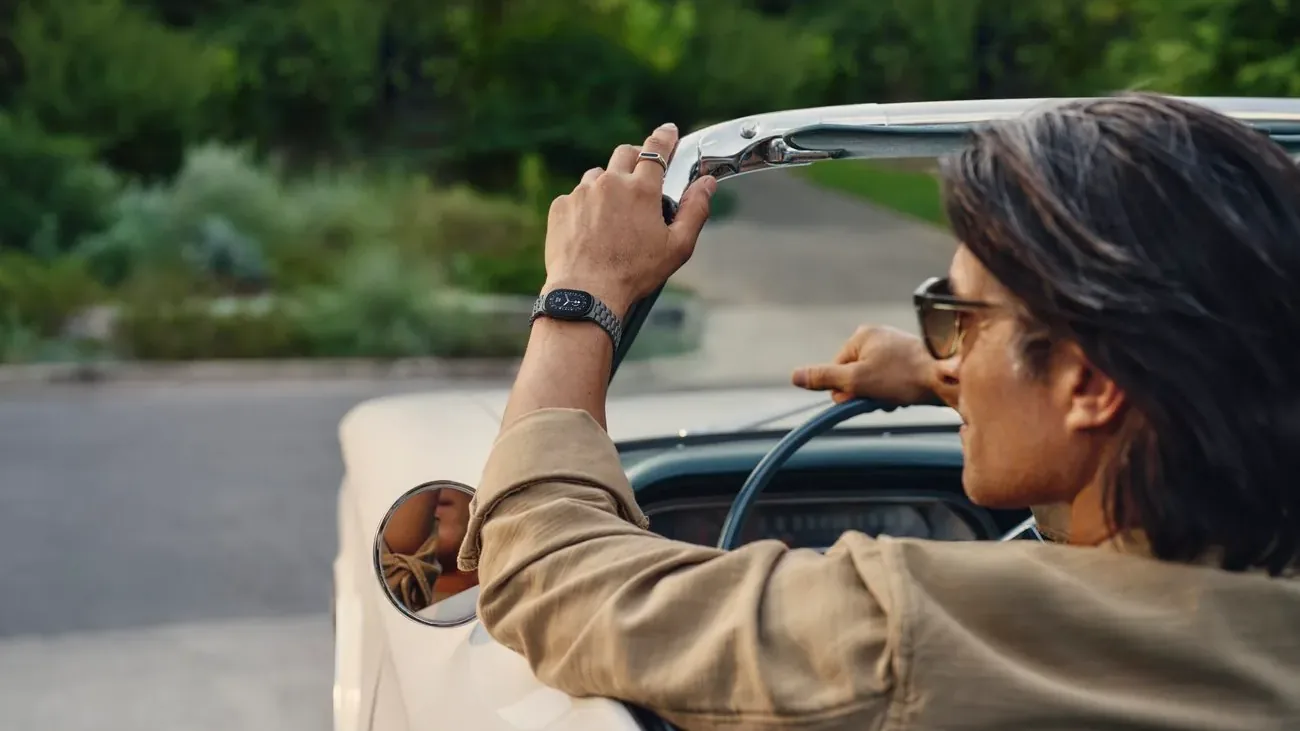
Buyers picking up a new $179.99 Fitbit Edge or $99.99 Fitbit Air should expect no more than five years of practical use, according to an Engadget analysis by Roger Fingas published Sunday. Fingas points to three limits on wearable longevity: aging water seals, lithium-ion battery wear, and Google’s two-year minimum software support window.
In his assessment, Fingas writes, “Realistically, I wouldn’t count on owning a new Fitbit for any more than five years, but I hope I’m proven wrong.” Official Google support documentation confirms the company’s baseline commitment: “Google Fitbit devices will receive security updates for at least 2 years after the applicable device is last sold on Fitbit.com or the Google Store.”
For shoppers buying current hardware today, that policy sets a guaranteed security-update floor of October 2028 for the Fitbit Edge and May 2028 for the screenless Fitbit Air. Google adds a footnote stating, “*These dates may be extended in the future, as these Fitbit devices are currently sold on Fitbit.com and/or the Google Store.”
Battery wear and water seals
Physical knocks rarely kill a fitness tracker beyond cosmetic scuffs unless the screen or buttons shatter, Fingas writes, making moisture protection the bigger durability concern. The Fitbit Edge carries an IP68 rating (meaning it resists dust and water submersion) and 5 ATM water resistance rated to 50 meters, according to specifications compiled by the5krunner. Because water seals break down over time with repeated exposure to moisture, Fingas notes that daily swimmers face a much higher risk of sudden failure than casual walkers.
Battery aging creates a second ceiling. Wearable lithium-ion batteries typically handle about 300 full charge cycles (drains from 100% to 0% and back), which could theoretically clear five years at one charge per week, Fingas writes. Both the Fitbit Edge and Fitbit Air are rated for up to seven days of typical battery life, and 9to5Google notes the Edge supports a five-minute fast charge for roughly one day of runtime.
Chemical wear usually reduces usable capacity well before 300 cycles, leaving owners unwilling to plug in a tracker multiple times a day. “Before you hit that 300 mark, various chemical factors will probably reduce capacity to the point you no longer consider a Fitbit usable,” Fingas writes. Announced Oct. 12 and released Oct. 27, the $179.99 Fitbit Edge is the first Fitbit with a user-replaceable battery (a 65mAh lithium-ion cell), Mashable and the5krunner report, while other Fitbit models have to be discarded once their batteries wear down.
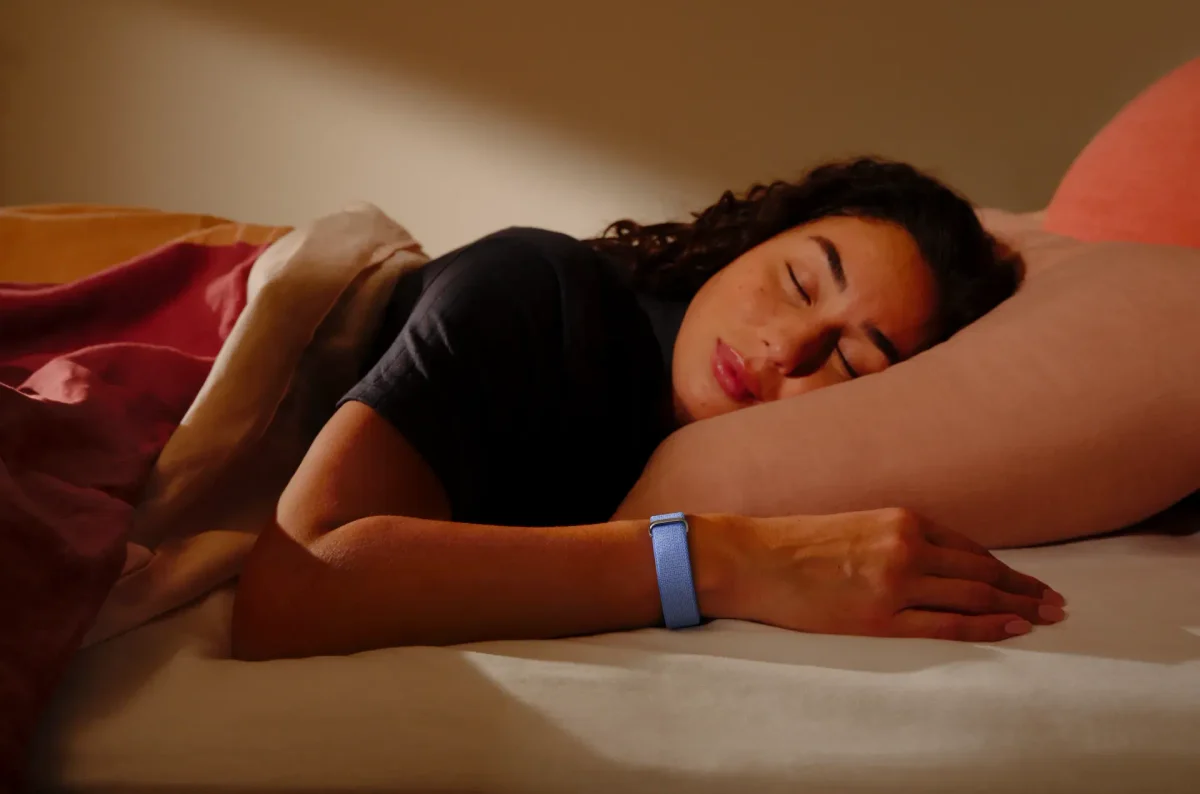
How long Google supports current Fitbit models
Google’s support table lists minimum security update end dates across its current and recently retired lineup, with 2022 releases like the Inspire 3, Versa 4, and Sense 2 all carrying a February 2028 floor. Security support for the Fitbit Luxe ended in June 2026.
| Fitbit Model | Minimum Security Updates Through |
|---|---|
| Fitbit Edge | October 2028* |
| Fitbit Air | May 2028* |
| Fitbit Charge 6 | February 2028* |
| Fitbit Inspire 3 | February 2028* |
| Fitbit Sense 2 | February 2028* |
| Fitbit Versa 4 | February 2028* |
| Fitbit Aria Air | February 2028* |
| Fitbit Ace 3 | September 2027* |
| Fitbit Luxe | June 2026 (ended) |
In a Nov. 7 assessment for BGR, Jonathan Sayers wrote that Google’s two-year post-sale support window could deter buyers who want longer use from their hardware. Sayers contrasted Fitbit’s policy with rival Amazfit, which guarantees security updates through June 2029 for the Amazfit Balance 3 released in June 2026.
App transitions and feature limits
Security patches do not guarantee ongoing feature updates, and Fingas argues that older Fitbits can become impractical as Google changes its software. Fingas cites Google Health Guardian irregular rhythm notifications as an example of a tool limited to a narrow group of devices even though older models include heart-rate sensors. However, a Nov. 11 breakdown of Google’s support tables by ChatPPG notes that while Health Guardian’s blood pressure trends tool is limited to the Fitbit Edge, Fitbit Air, and Pixel Watch 3 through 5, older models including the Charge 6 still appear on Google’s list for ECG and irregular rhythm notifications.
Google has carried out several major platform changes this year after completing its Fitbit acquisition in January 2021. On May 19, 2026, Google rebranded the Fitbit app to the Google Health app and ended standalone Fitbit logins, according to MyFitnessPal Help and Google Support. On July 15, Google stopped supporting Fitbit app versions older than 5.0 on Android and iOS, Android Gadget Hacks reported, matching Google’s deadline to download data from removed tools including Sleep Profile, Estimated Oxygen Variation, and Snore Detection on Sense and Versa 3.
Upcoming cutoffs for Fitbit owners
Another cutoff lands on Nov. 28, 2026, when Fitbit smartwatch owners lose the ability to install or update third-party apps and clock faces, Droid Life reported. A Nov. 20 Google Health community notice confirms the change affects the Fitbit Sense, Sense 2, Versa 4, Versa 3, Versa 2, Versa Lite, and original Versa.
Google also shut down the legacy Fitbit Web API on Oct. 30, 2026, while extending legacy research demo accounts through Dec. 31, 2026. Google has not announced discontinuation dates for the Fitbit Air or Fitbit Edge, meaning their final security-update deadlines depend on how long both trackers remain on sale.