
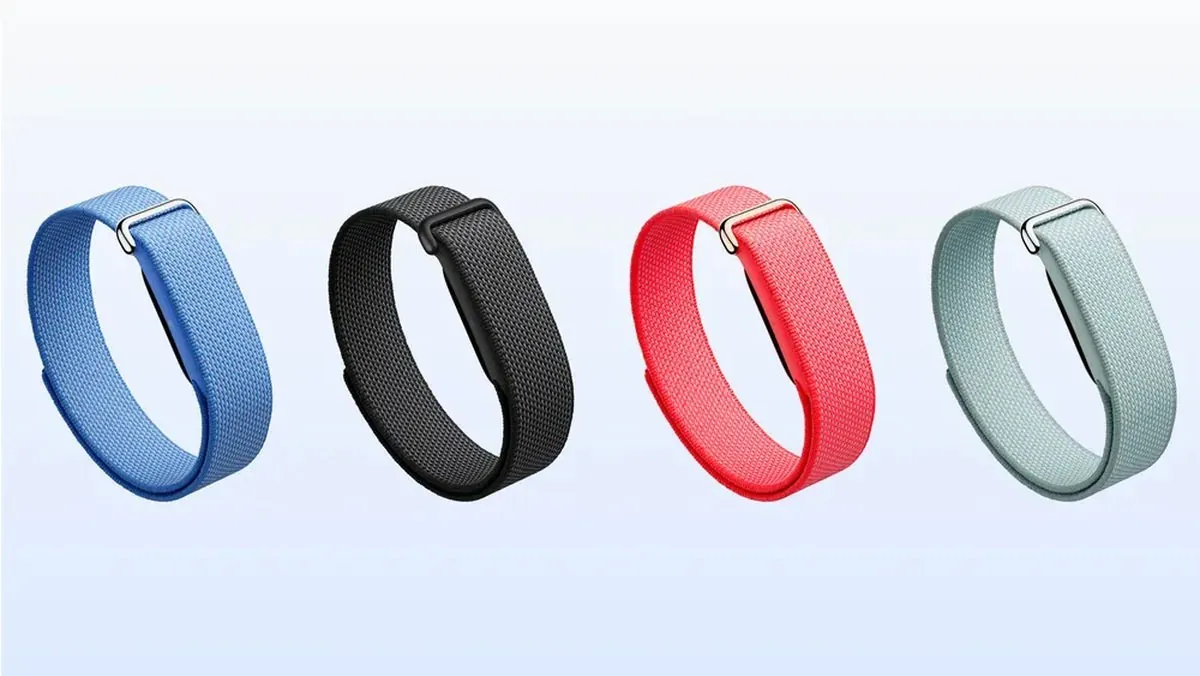
Google is officially dissolving one of its most popular legacy acquisitions into a unified AI ecosystem, but the software transition is proving incredibly messy. The tech giant has started retiring the standalone Fitbit app, forcing its vast wearable user base into the newly rebranded Google Health application. The move is a strict corporate mandate designed to quickly monetize Google’s Gemini AI infrastructure by integrating it directly onto millions of wrists.
But the software migration hit a serious hardware wall this week. Early buyers of the brand new Fitbit Air, a screenless fitness tracker that officially launched on May 26, received their devices ahead of schedule, only to find them completely unusable. The new trackers strictly require Google Health version 5.0 to pair, an update that had not yet rolled out to their smartphones.
A Google product team member identified as “Andy” had to jump on social media to issue a public apology to early adopters. He confirmed that users need version 5.0 to activate the hardware, leaving frustrated Android users scrambling to manually sideload the application just to get their new gadgets working. The software mandate locks older versions out entirely, while introducing a $9.99 monthly subscription for advanced Gemini AI coaching.
Longtime fitness fans are not handling the forced software switch well. The legacy platform was famous for its straightforward, glanceable data. Now, widespread user backlash is flooding message boards as people complain about the cluttered new user interface. Basic, frequently used metrics like daily step counts are now buried behind multiple taps to make room for the new paywalled AI insights.
How the Fitbit Air Undercuts Whoop in the Screenless Tracker Wars
Google is actively targeting the screenless tracker market after spotting glaring vulnerabilities in the competition. They built the Fitbit Air specifically to disrupt rivals whose user retention is eroding. The $99.99 device operates as a direct strike against the Whoop Strap.
The Whoop 5.0 recently saw its popularity dip among athletes due to its steep entry cost, such as the ₹21,990 upfront price in India, and a mandatory recurring subscription just to keep the hardware functional. Google’s strategy here is highly competitive. By offering a subscription-optional alternative, they give users all the core tracking capabilities for a flat hundred bucks. You only pay the $9.99 monthly fee if you specifically want the Google Health Coach features.