
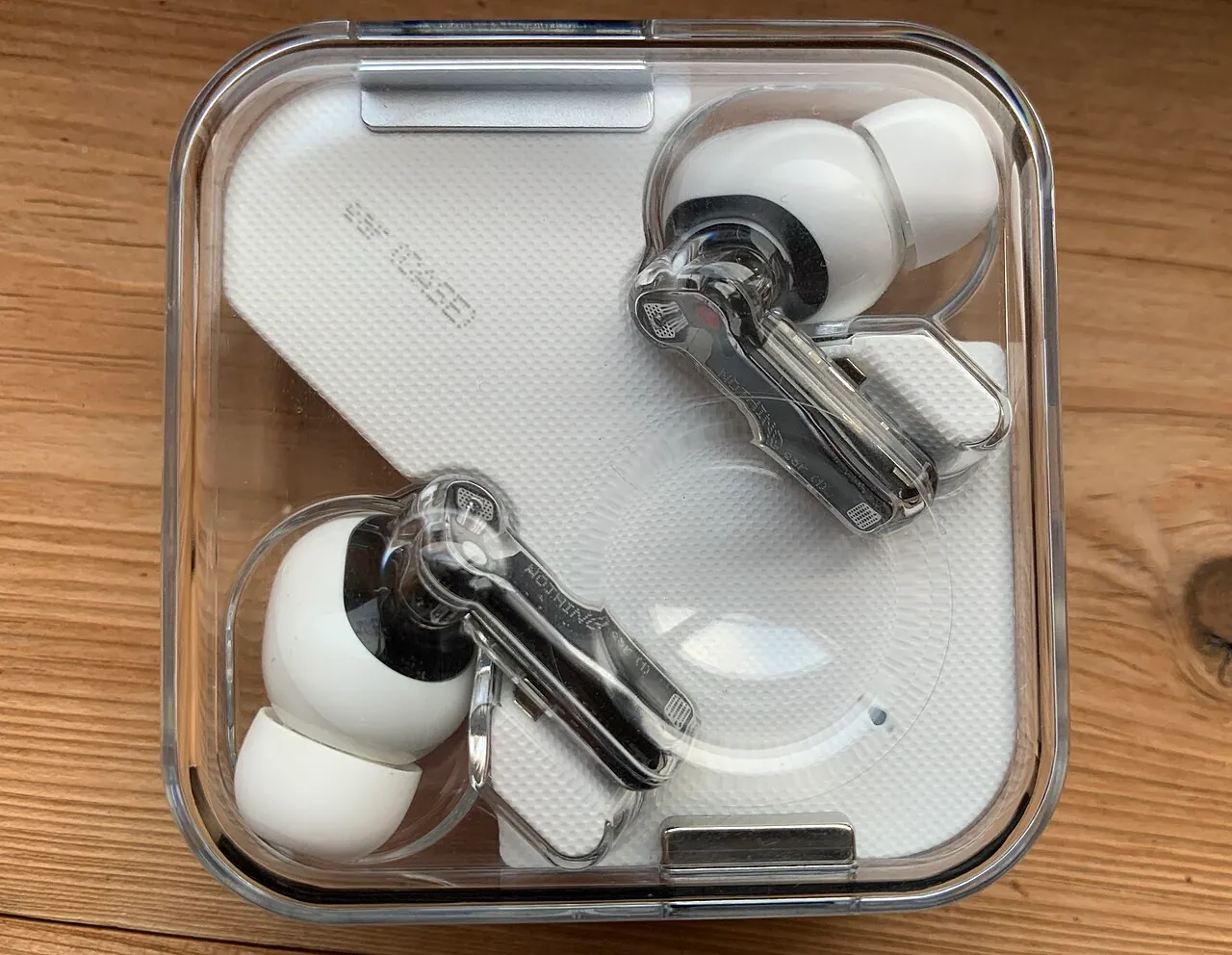
Shoppers who want the strongest bass and clearest detail from wireless earbuds should stick with sealed in-ear designs paired with active noise cancellation, according to Roger Fingas in a Nov. 21, 2026 Engadget audio guide. Fingas wrote that picking open-ear or bone conduction models for everyday listening creates permanent drops in audio fidelity that software settings cannot fix.
Modern wireless earbuds have moved well past early dropouts and short battery life, with current models lasting a full workday and surviving heavy gym sessions. Apple’s AirPods Pro 3 can even act as over-the-counter hearing aids, a software mode detailed in Apple support documentation that runs for up to 10 hours in Transparency mode. Even with those hardware gains, Fingas argued that physical form factor still dictates how much low-end punch and subtle detail reach a listener’s ears.
How Engadget breaks down wireless earbud designs
In-ear (in-canal) form factor
Fingas named in-ear buds, which sit directly inside the ear canal, as the baseline requirement for high-fidelity sound. He wrote, “When it comes to form factor, you’ll want to begin with in-ear (sometimes referred to as in-canal) earbuds.” Objective frequency-response measurements from SoundGuys lab testing back that claim, showing that drivers placed outside the ear canal cannot match sealed earbuds on low-end bass or sound blocking.
Foam and silicone ear tips
To trap low-frequency air pressure and block ambient sound, Fingas advised picking models with silicone or memory foam tips, or buying third-party replacements when bundled tips leak noise. He warned, “Keep in mind that while foam is preferable for sound quality, it’s less than hygienic for workouts because it’s harder to clean.” SoundGuys and Soundbrenner both note that foam wears out faster and absorbs more sweat and earwax than washable silicone, while Soundbrenner adds that a tight, repeatable silicone seal beats a poorly seated foam tip.
Secure fit and external clips
Even well-made ear tips lose bass if the earbud housing shifts during movement, so Fingas stressed choosing buds that lock securely without hurting the ear. He noted that external clips or ear hooks are optional for desk listening, yet they help runners and gym-goers sprint or do hanging crunches without breaking the acoustic seal. CNET’s November 2026 wireless earbud rankings echoed that point, tying sound quality on sealed models directly to keeping a tight fit.
Active noise cancellation (ANC)
Beyond physical blocking, Fingas called active noise cancellation essential for cutting steady distractions like plane engines and nearby chatter so quieter elements in movies or music come through. ANC uses built-in microphones to generate inverted sound waves, or “anti-noise,” that cancel steady external sound, which SoundGuys says lets people listen at lower volumes at the cost of extra battery drain and higher prices. SoundGuys also draws a sharper terminology line than Engadget, calling physical ear-tip blocking “isolation” rather than “passive noise cancellation.”
Open-ear earbuds
Open-ear designs sit outside the ear canal and deliberately trade away bass and noise blocking so outdoor runners and cyclists can hear engines, horns, sirens, or shouting. While sealed ANC buds include digital transparency modes to pipe ambient noise through, Fingas wrote that microphones still fall short of direct exposure to the environment. What Hi-Fi? noted that skipping an ear-canal seal can give music a more airy, spacious feel, though its reviewers agreed open earbuds still trail top sealed wireless models on overall sound.
Bone conduction earbuds
Bone conduction headsets send vibrations through the cheekbones directly to the inner ear, letting waterproof pure models like the Shokz OpenSwim Pro work underwater where standard earbuds cannot operate. Fingas noted that hybrid models adding air-based drivers for fuller bass, such as the Shokz OpenRun Pro 2, give up that underwater use. Where Fingas wrote that bone conduction keeps many frequencies “pure” alongside ambient sound, What Hi-Fi? writer Andy Madden disagreed, writing, “But, because your eardrum doesn’t get involved in processing any audio signals, there are layers of information that will be missed and sound quality, in our experience at least, is extremely compromised.”
How the three earbud designs compare
| Design | Ear canal seal | Bass and detail | Best use |
|---|---|---|---|
| In-ear with ANC | Tight silicone or foam tip seal | Strongest bass and quiet detail | Daily music and noisy travel |
| Open-ear | None (driver sits outside canal) | Reduced bass; airy sound | Outdoor running and cycling |
| Bone conduction | None (vibrates cheekbones) | Weakest bass and missed detail | Swimming (pure models) and traffic awareness |
Where independent testing agrees and splits
Major 2026 buying guides from CNET and TechRadar align with Fingas’s core pick, with closed-back, sealed in-ear ANC earbuds holding every top sound-quality spot, including the Sony WF-1000XM6, Apple AirPods Pro 3, Technics EAH-AZ100, and Sennheiser Momentum True Wireless 5. Manufacturers have tried narrowing the open-ear gap with larger drivers and open-fit noise reduction on models like Apple’s AirPods 4 and Shokz’s OpenFit Pro, yet SoundGuys testing shows unsealed housings still give up sub-bass and isolation.
For listeners who want ambient awareness without sealed tips, SoundGuys writer Adam Birney favored air-conduction open earbuds over bone conduction in a July 2026 comparison. Birney wrote, “If your hearing is unimpaired and you want to stay aware of your surroundings, buy open earbuds — they sound better, they’re more comfortable, and they play nicer with helmets and glasses,” noting that 68% of 215 polled SoundGuys readers preferred open earbuds over bone conduction.
On the hearing-aid capability Fingas highlighted, Apple’s support page states, “AirPods Pro 2 and AirPods Pro 3 provide a clinical-grade Hearing Aid feature for perceived mild to moderate hearing loss, as well as a Media Assist feature that enhances the clarity of music, video, and calls.” HearingTracker’s September 2026 review scored the AirPods Pro 3 at 4.1 out of 5 using HearAdvisor lab testing, finding they rival dedicated over-the-counter hearing aids once ambient noise reduction is lowered, though out-of-the-box speech clarity trailed dedicated devices.
For listeners who do not need underwater playback or open-ear traffic awareness, Fingas closed his Engadget breakdown with a direct rule of thumb. He wrote, “When in doubt, it’s better to default to in-ear ANC buds. There’s just no way of recovering the lost fidelity if you opt for something else.”