
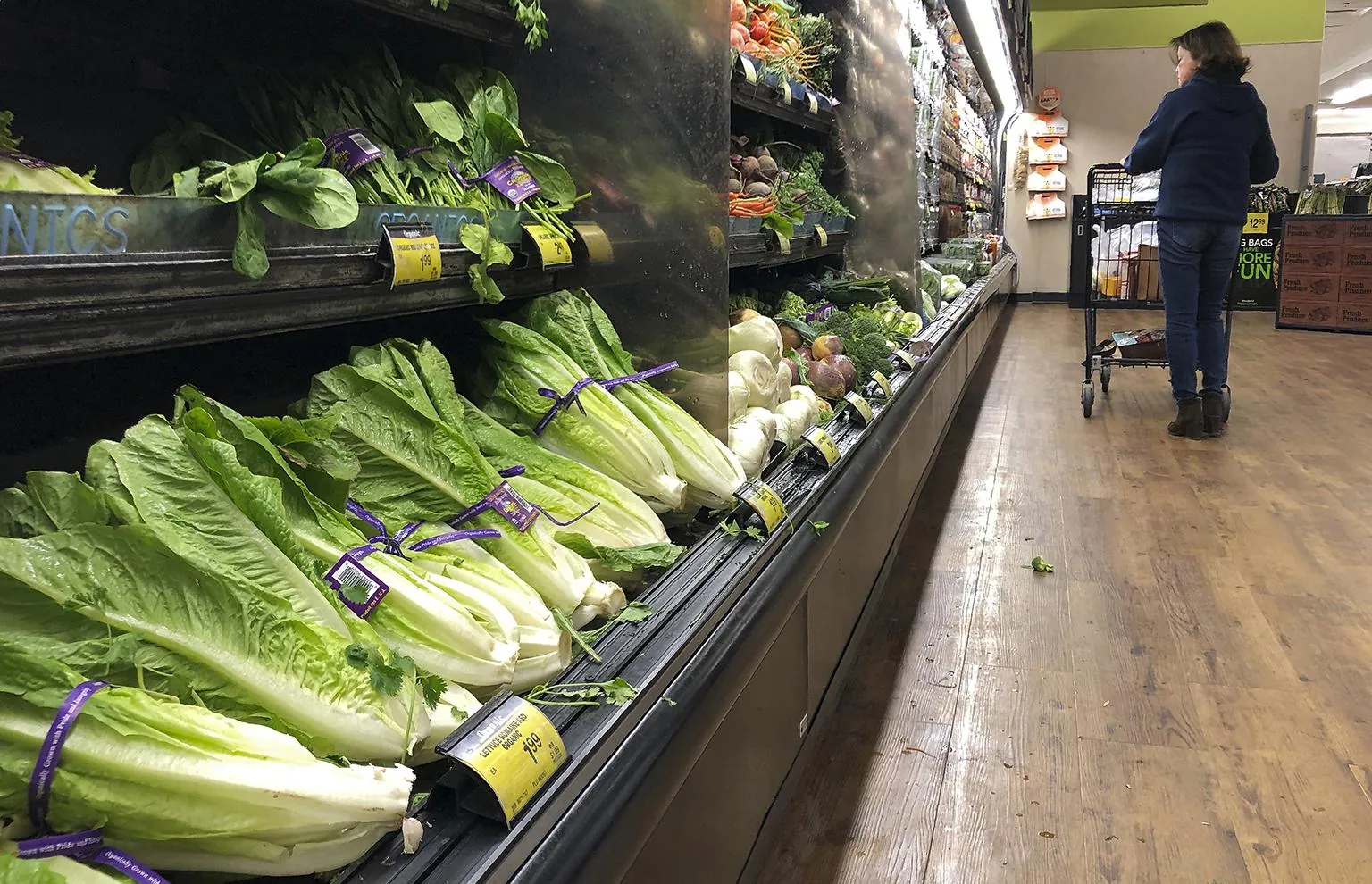
The White House confirmed it has a firm grasp on the ongoing cyclosporiasis outbreak spreading across the country, though officials continue to urge caution at the grocery store. Right now, the Centers for Disease Control and Prevention is tracking 1,645 confirmed cases of the domestically acquired illness spread across 34 states.
This isn’t a single isolated incident. The FDA is actively investigating up to five distinct cyclospora outbreaks simultaneously. One specific cluster spans Michigan, Ohio, Kentucky, and West Virginia, where health officials in Michigan are closely examining lettuce and salad greens as the potential source of the contamination.
What We Know
- Health officials are monitoring over 5,000 additional cases that still require laboratory testing for confirmation.
- Of the confirmed cases, 141 individuals (9%) have required hospitalization.
- Fortunately, zero fatalities have been linked to these outbreaks.
The scope of this year’s outbreak is highly unusual. For context, only 249 cases were reported nationally by this exact time last year, according to CDC tracking. That sharp increase explains why federal agencies are stepping in to coordinate the response across state lines.
But tracking these numbers accurately comes with a modern catch. Last year, the CDC scaled back its Foodborne Diseases Active Surveillance Network, making state reporting of cyclospora optional rather than mandatory. That bureaucratic shift means the current data might look different from previous summers simply because fewer states are required to submit their findings automatically.
How Optional Reporting Complicates Produce Recalls
The shift to optional state reporting creates a unique challenge for food safety regulators trying to pinpoint the exact farms responsible. When local health departments aren’t uniformly feeding data into the national surveillance network, identifying a contaminated batch of lettuce takes longer. Investigators have to patch together voluntary reports to see the full geographical spread.
For everyday consumers, this administrative hurdle translates to a simple reality: you need to be proactive. Since officials are still working to trace the exact origin points across the Midwest, relying entirely on official product recalls might leave you a step behind. Washing fresh produce thoroughly and monitoring local health advisories remains your best defense until the FDA isolates the specific suppliers.