
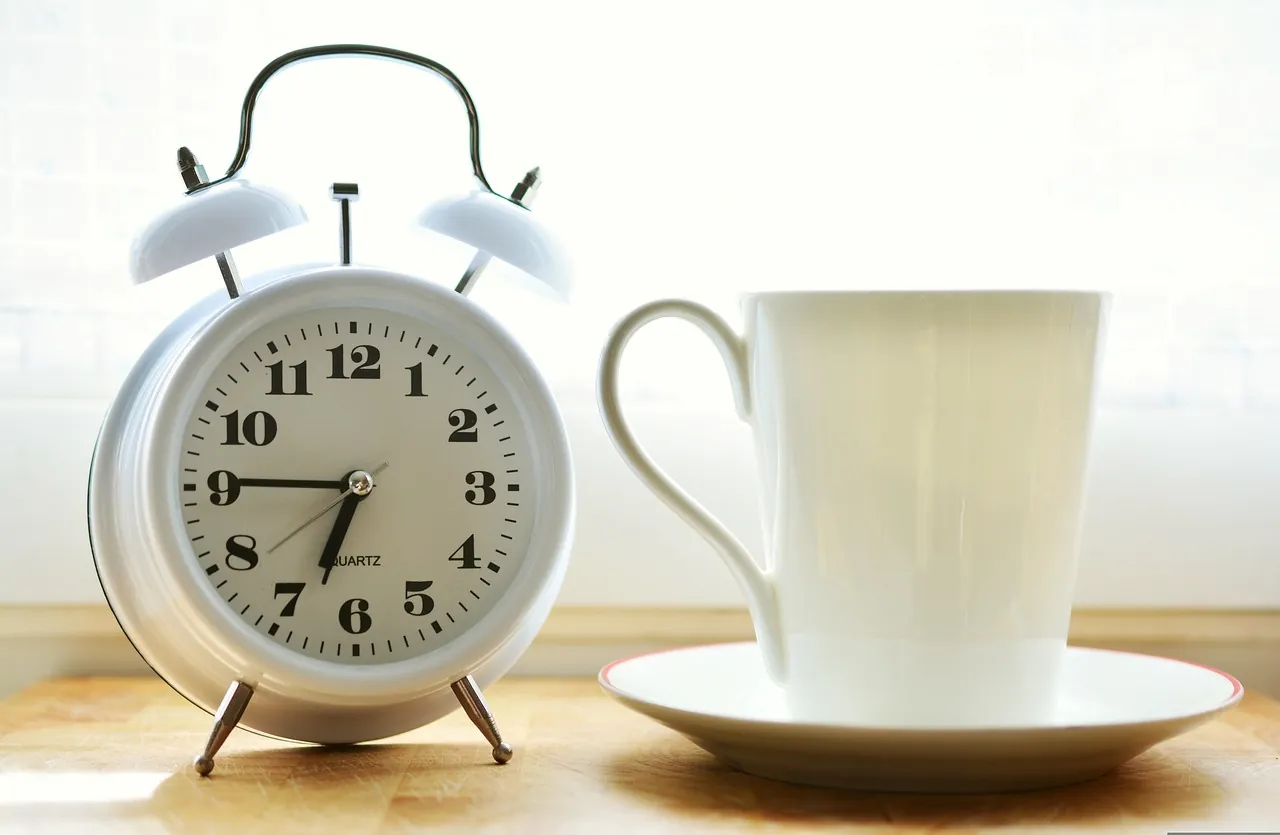
Changing the clocks twice a year forces a sudden one-hour mismatch between your daily schedule and the natural sunlight that sets your internal body clock. Because human circadian rhythms depend on morning light to stay aligned with the 24-hour day and evening darkness to trigger sleep hormones, these biannual shifts disrupt sleep, metabolism and alertness. While many people recover within a few days, full biological adjustment can take weeks, and some individuals experience ongoing misalignment throughout the months of daylight saving time.
How does sunlight regulate your circadian rhythm?
Your circadian rhythm is an internal biological timer that coordinates your sleep-wake cycle, hormone release and metabolism. Rather than running on an exact 24-hour loop, the average human circadian cycle lasts about 24 hours and 12 minutes, according to a 2025 Stanford Medicine study. Because that internal cycle runs slightly long, your brain relies on external cues, primarily sunlight, to reset the clock every day.
Morning light and evening light pull your body clock in opposite directions. Exposure to bright light shortly after waking speeds up your internal cycle, compressing it so you stay synchronized with the 24-hour solar day. Light in the evening slows the cycle down, suppresses the sleep hormone melatonin and keeps your brain alert later into the night.
When local clock time stays close to solar time, this daily reset happens smoothly. If you want to review the policy rules behind the two schedules, see how standard time and daylight saving time differ.
What happens to your body when the clocks change twice a year?
In the United States, most states move clocks forward one hour on the second Sunday in March and back one hour on the first Sunday in November, while Hawaii, most of Arizona and five U.S. territories (American Samoa, Guam, the Northern Mariana Islands, Puerto Rico and the U.S. Virgin Islands) stay on permanent standard time, according to the Sleep Foundation in 2026. The United Kingdom follows a similar biannual pattern between Greenwich Mean Time and British Summer Time.
For everyone living in regions that switch, the spring shift is biologically harder on the body than the fall transition. Setting the clocks ahead cuts an hour from the night and shifts sunrise and sunset an hour later on the clock. You are forced to wake up in darker mornings while getting hit with brighter light in the evening, which deprives your brain of its morning reset signal and delays melatonin release at night.
Sleep researchers call this gap between your biological clock, the solar cycle and your work or school obligations “social jet lag.” In its 2023 position statement (updated on its 2025 resource page), the American Academy of Sleep Medicine warns that the acute transition between standard time and daylight saving time is associated with higher risks of traffic accidents, emergency room visits, missed medical appointments and mood disturbances.
People often assume a one-hour clock change takes a single day to shake off, or that lighter evenings automatically lead to healthier routines. In reality, resetting the internal circadian clock can take several days to weeks, according to the Indiana University School of Medicine in 2025, and some people never fully acclimate during the spring and summer months. Even physical activity can dip: an Australian study reported by the Association of American Medical Colleges in 2026 found that after daylight saving time began, adults shifted their workouts from the morning to the afternoon, but their total exercise hours dropped.
What does medical evidence say about long-term health risks?
Observational studies and population modeling link repeated clock shifts and chronic circadian misalignment to obesity, metabolic syndrome, heart disease, diabetes, stroke and mood disorders. Because researchers cannot lock millions of people in a lab for years, much of this evidence comes from large epidemiological datasets, time-zone boundary comparisons and mathematical modeling of light exposure.
In a 2025 PNAS study, Stanford researcher Jamie Zeitzer and colleagues combined a mathematical model of circadian light exposure with county-level Centers for Disease Control and Prevention health data across the United States. The team projected that ending the twice-yearly clock switch in favor of permanent standard time would produce the largest nationwide reductions in obesity and stroke. Even switching to permanent daylight saving time was modeled to reduce national obesity prevalence by 0.51% and stroke prevalence by 0.07% compared with shifting the clocks twice a year.
How strongly you feel the shift depends on two main personal factors:
- Your chronotype: Early risers, or “morning larks,” make up about 15% of the population and have internal circadian cycles shorter than 24 hours, according to Stanford Medicine’s 2025 research. Because evening light lengthens their short cycle closer to 24 hours, morning larks experience less circadian strain during daylight saving time than night owls or intermediate sleepers.
- Your location within a time zone: People living on the western edge of a time zone experience later sunrises and sunsets than those on the eastern edge. According to the Association of American Medical Colleges in 2026, western-edge residents get less sleep on average and face higher risks for obesity, diabetes, heart disease and breast cancer.
How can you help your body adjust and when should you see a doctor?
You cannot change the total amount of daylight the Earth receives in a season, so protecting your circadian rhythm comes down to managing when your eyes see light and dark. To ease the transition around a clock change, the American Academy of Sleep Medicine and the Sleep Foundation recommend several practical habits:
- Get at least 7 hours of sleep per night for adults and at least 8 hours for teens in the days leading up to and following the clock change.
- Shift your bedtime and wake time by 15 to 20 minutes per night for a few days before the transition so the one-hour jump does not hit all at once.
- Step outside for morning sunlight on the Sunday of the spring shift to help advance your internal clock, and dim indoor lights and screens in the evening.
- During the fall transition, minimize bright light exposure early in the morning before your target wake time so you do not wake up too early.
- Avoid caffeine in the afternoon and keep any daytime power naps to 20 minutes or less so you do not reduce your nighttime sleep drive.
Watch for warning signs that a clock shift has triggered more than temporary grogginess, including daytime exhaustion that lasts longer than two weeks, trouble falling or staying asleep most nights, difficulty concentrating while driving, or noticeable drops in mood. Because supplements like melatonin can shift circadian timing if taken at the wrong hour, talk with a doctor before starting melatonin or any sleep aid, and schedule a medical evaluation if sleep problems or mood changes persist for several weeks after the clocks change.