
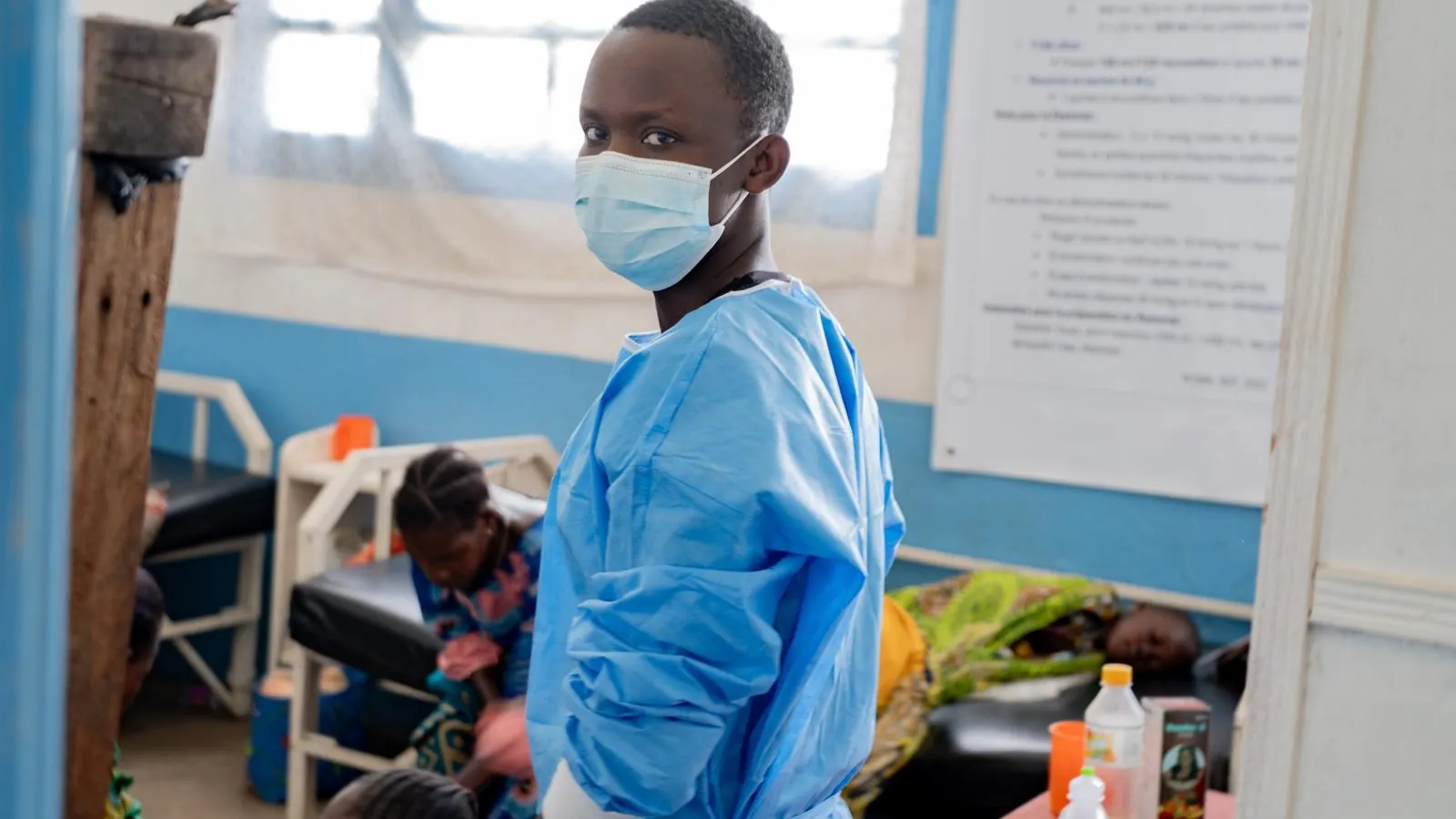
A severe Ebola outbreak is testing international health organizations as they attempt to control a highly infectious disease inside an active war zone. The World Health Organization declared a global health emergency this week after confirming at least 100 deaths and 390 active cases in a single province in the Democratic Republic of Congo. The epicenter of the outbreak overlaps directly with ongoing regional violence, severely restricting the movement of contact tracers and medical personnel.
The situation escalated quickly as international citizens became involved. Six Americans were exposed to the virus in the region, with at least one currently exhibiting symptoms. The U.S. Centers for Disease Control and Prevention is currently mobilizing efforts to secure and relocate these individuals safely.
Neighboring countries are initiating defensive public health measures to stop the virus at their borders. Uganda proactively canceled its upcoming Martyrs’ Day festival to prevent large cross-border crowds from accelerating transmission.
Epidemiologists are facing a complex scenario because they are tracking a rare strain of the virus spreading through a region heavily affected by active conflict. Standard containment strategies rely on isolation and rapid tracing of anyone who interacted with a patient. Roadblocks, militia activity, and community distrust in the conflict zone make tracking these chains of transmission nearly impossible.
How Armed Conflict Alters the Global Health Response
The intersection of a highly transmissible virus and political instability breaks standard international epidemiological protocols. During previous outbreaks in stable regions, the WHO and CDC could deploy mobile testing labs and isolate communities with relative ease. Security threats in the DRC prevent the sustained presence required for these traditional containment methods.
The WHO’s declaration of a global health emergency fundamentally changes how the world reacts. This specific policy trigger automatically unlocks international funding pools and mandates heightened medical vigilance at global transit hubs. It forces neighboring governments to redirect their own health budgets toward border screenings and emergency preparedness.
Medical teams on the ground are adapting their tactics to fit the environment. They rely heavily on local community leaders to report symptoms and establish trust, rather than sending in foreign medical personnel who might face hostility or violence. The success of stopping this outbreak depends entirely on negotiating safe access corridors before the infection chain reaches larger urban populations.