
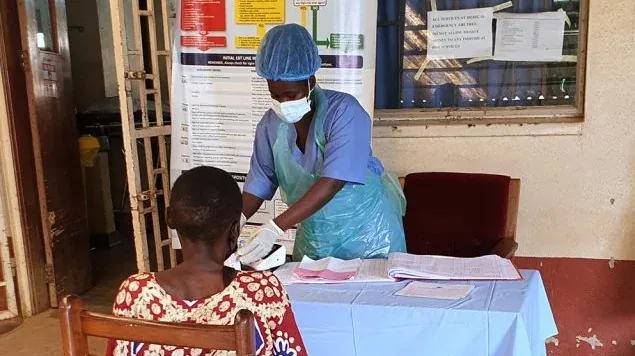
Health authorities are facing a rapidly expanding public health crisis in Central Africa, driven by the uncontained spread of the rare Bundibugyo strain of the Ebola virus. The World Health Organization officially declared the outbreak in the Democratic Republic of the Congo a Public Health Emergency of International Concern due to the severity of the strain and severe logistical challenges caused by local armed conflicts, according to statements regarding the global health emergency.
In a direct intervention, the U.S. Centers for Disease Control and Prevention announced Sunday that it is actively mobilizing to safely withdraw a small number of Americans directly affected by the outbreak. Several U.S. citizens currently in the DRC faced high-risk exposures, prompting the emergency withdrawal. At least one individual is potentially developing symptoms, and the government is coordinating their transfer to secure quarantine and treatment locations.
Health authorities report at least 246 suspected cases and over 80 deaths in the DRC as of Monday. The outbreak is heavily concentrated in the mining areas of Mongwalu and Rwampara, where population movements make tracing the virus difficult. The virus crossed international borders, with Uganda confirming cases in Kampala linked to travelers arriving from the DRC.
The CDC activated its emergency response center and is deploying additional epidemiological and medical staff to its country offices in the DRC and Uganda, escalating its operational response. The CDC officially issued a Level 1 Travel Health Notice for Uganda. Local airports in the affected regions initiated mandatory exit screening protocols to prevent further international transmission.
Why the Bundibugyo Strain Complicates the Medical Response
This is the 17th overall Ebola outbreak in the DRC since the virus was first identified in 1976. This specific situation is unusual because it is only the third time in history that the rare Bundibugyo strain has been detected. The strain was previously seen in Uganda in 2007 and the DRC in 2012.
The immediate medical challenge is that there are currently no approved vaccines or therapeutics specifically designed for the Bundibugyo strain. While effective treatments exist for the more common Zaire ebolavirus, healthcare workers managing this specific crisis must rely entirely on supportive care and strict infection control protocols to contain the spread.