
The global scramble to contain the MV Hondius cruise ship outbreak has officially reached North America and Europe. Two Americans and one French citizen just tested positive for hantavirus after being evacuated from the stricken vessel. It is a frightening development for a situation that has already claimed three lives and triggered emergency repatriations across 19 countries.
The French woman was among five nationals flown to Paris on Sunday. She started developing symptoms during her flight. Now, her health is deteriorating overnight while isolated at the Paris Bichat hospital. Meanwhile, the American evacuees are being carefully monitored stateside as authorities brace for more potential cases.
Inside the Strict Isolation Protocols
In the United States, medical teams are taking zero chances. The two evacuated passengers are currently at the University of Nebraska Medical Center. One patient tested “mildly positive” for the rare Andes strain of the virus but is currently asymptomatic. The other has developed mild symptoms.
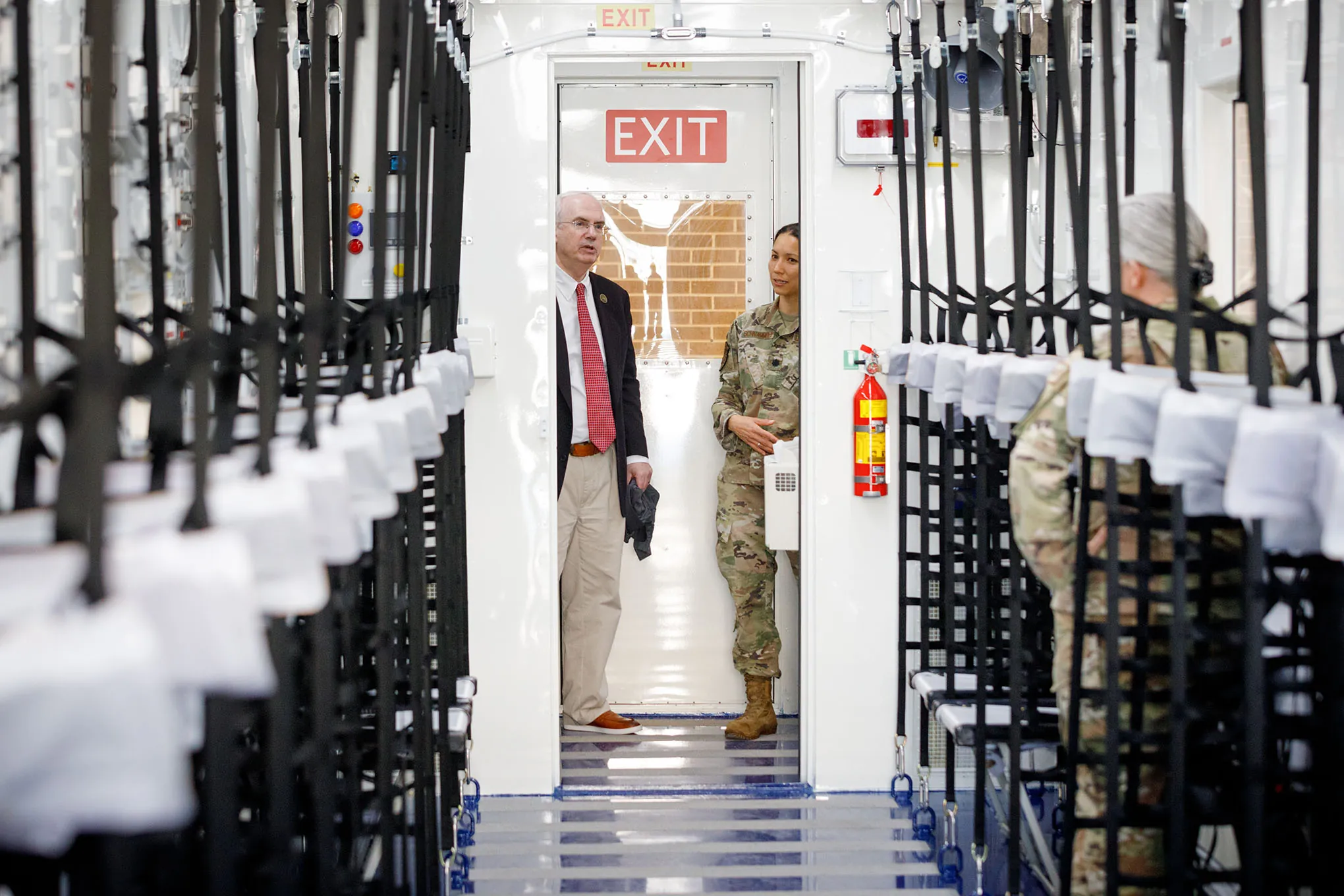
They are being housed in the facility’s highly specialized biocontainment unit, according to a detailed report by the AP noting its past use for Ebola and COVID-19 patients. It is a massive public health operation designed to keep the wider community entirely separate from the patients.
The total number of confirmed cases linked to the MV Hondius now stands at seven. Three passengers have died, including a Dutch couple and a German woman. The ship originally departed from Ushuaia, Argentina in early April carrying over 140 people. Global evacuation efforts in Tenerife, Spain saw 94 people sent home on Sunday.
Health officials are frantically working backward to find anyone exposed. The World Health Organization is overseeing a massive contact tracing effort. Authorities are tracking down 22 individuals on flights from St. Helena who had close contact with a Dutch passenger who disembarked early and later died in Johannesburg, a report in the Financial Times verified.
Why the Andes Strain Demands Extreme Quarantine Measures
Most hantavirus infections come from breathing in dust contaminated by rodent droppings. But the Andes strain is different. It is one of the only known variations capable of person-to-person transmission. This specific trait completely changes how global health organizations respond to an outbreak.
The WHO is actively trying to calm the public. They explicitly stated this is not “another COVID” and the general risk remains very low. Still, the protocol shift is aggressive. The organization recently issued strict directives recommending that high-risk contacts be quarantined and actively monitored for up to 42 days. They want to definitively break the chains of transmission before the virus can establish a foothold in any new communities.