
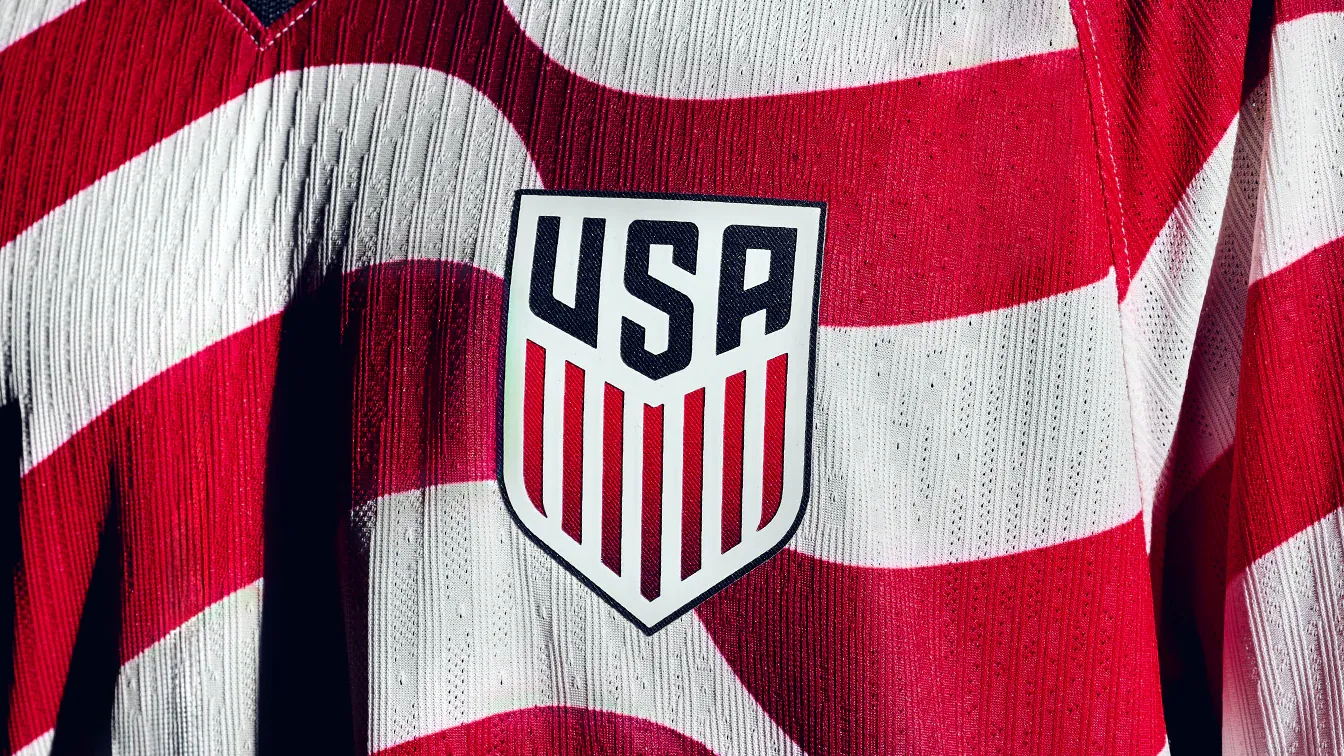
The global soccer spotlight is locked on North America as the 48-team, 104-match World Cup breaks viewing records. The United States men’s national team opened their group stage campaign with a definitive 4-1 victory over Paraguay and prepares to face Australia on June 20. But beyond the pitch, a new CBS Sports analysis broadcast across networks like KCMC-AM on Friday morning outlines the underlying economic mission for the federation: killing the expensive youth pay-to-play model to secure long-term domestic growth.
Industry analysts and former players insist the federation cannot repeat past cycles of relying on aging international superstars like Lionel Messi or David Beckham to prop up domestic interest. U.S. Soccer wants to convert casual June viewers into lifelong fans, a goal that requires making grassroots soccer accessible to all economic demographics rather than just affluent suburban families.
The financial stakes surrounding the tournament are heavily quantified. A joint FIFA-WTO socioeconomic impact study projects the World Cup will inject $17.2 billion into the U.S. GDP and support roughly 185,000 full-time equivalent jobs. To capture this commercial surge, U.S. Soccer hired the international firm M&C Saatchi as its official marketing agency. Former USMNT stars are also building independent media ventures, with Tim Howard and Landon Donovan launching the chart-topping “Unfiltered Soccer” podcast, according to Entrepreneur magazine.
The push mirrors the structural aftermath of the 1994 World Cup, which directly led to the creation of Major League Soccer. Now, the focus shifts entirely to infrastructure accessibility. The USMNT takes the field against Australia next, with federation executives watching both the scoreboard and the broader economic metrics closely.