

What you need to know:
Usher headlines the Super Bowl LVIII halftime show. This is the story behind his biggest song: “Yeah!”
If we were talking about the hits that shook the music industry in the 2000s, “Yeah!” by Usher cannot be missing from the list. A party track that in 2004 monopolized every corner, from radio to television. And believe it or not, there is a strange story behind the song.
That said, did you know that the R&B singer really didn’t want the song on his album Confessions? Although we know that this track is the most popular of the artist’s career, at first he wasn’t really convinced to even record it.

The story of “Yeah!” by Usher
The thing is that Usher’s album Confessions was conceived as a pure R&B album with a conceptual line that seemed emotional and even melancholic.
It is said that the material came about mainly because the singer’s relationship with Rozonda “Chili” Thomas became so complicated, a member of the hip-hop group TLC, which eventually ended in a breakup.

It’s even known that Usher wanted the album’s lead single to be “Burn,” a song that talks about exactly how a love relationship deteriorates. It was by far the artist’s favorite song to be released as the album’s lead single… but that didn’t happen.
Usher had presented several songs to those in charge of his label for Confessions, but they told him that the album was incomplete. The argument was that while the songs were good, they lacked an anthem; they needed something for the radio that would make the clubs pop.
So they reached out to one of the “party” producers and personalities of the hip-hop/rap scene… Lil Jon.
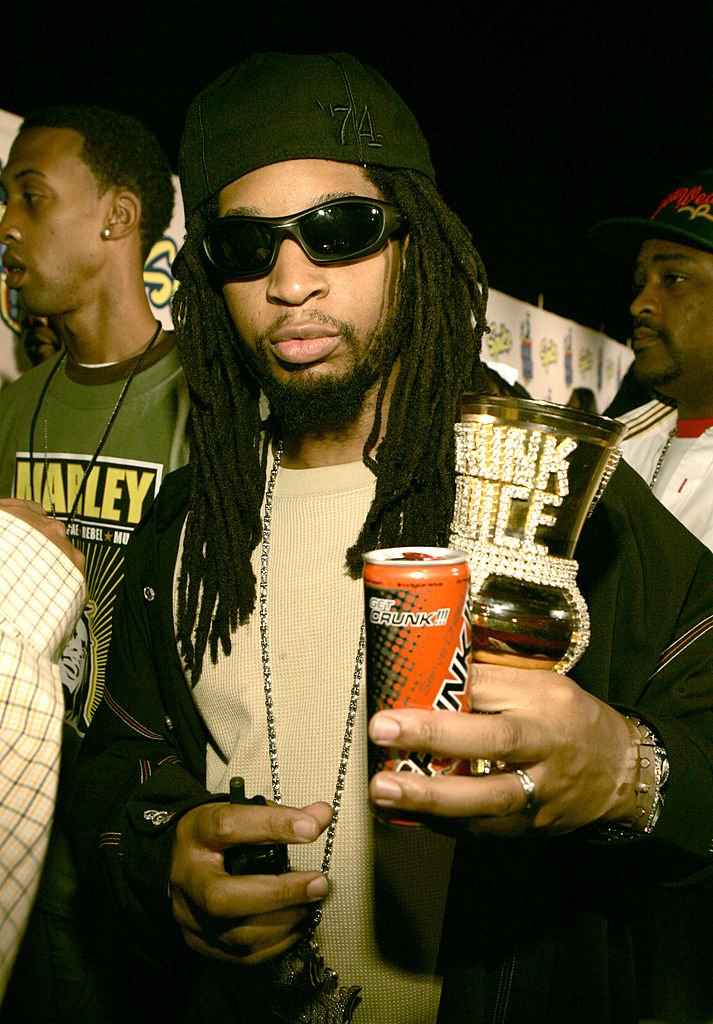
Lil Jon’s introduction to the song
Back then, Lil Jon, who came from Atlanta, was known for his unmistakable image, his sparkling charisma and, above all, as a pioneer of what was then called crunk, a more aggressive subgenre of rap that was gradually absorbed by the pop industry in the 2000s.
Jon (real name Jonathan Smith) was the one who brought this style to the upper echelons of the mainstream scene, and his contribution to Usher’s “Yeah!” is considered the point at which crunk went mainstream.
It should be mentioned that before achieving international fame, Lil Jon worked as an executive and producer for So So Def Records, a record label founded in Atlanta in the 1990s by Jermaine Dupri, another big name in the rap scene at the time.

Over time, Dupri began to gain a foothold in the industry, and soon enough he was appointed president of the record company Arista, which had a bit of a shady past with the whole Milli Vanilli thing.
But around the 2000s, Arista (now owned by Sony Music) restructured with management, with LA Reid and Jermaine Dupri at the helm, and began signing some of today’s most well-known artists, such as Pink, Avril Lavigne, Outkast… and yes, Usher too.
Thanks to Reid and Jermaine, contact was established between Usher and Lil Jon, knowing that the latter could help the R&B idol to produce the song they had to release as the first single from Confessions. But not everything was so simple…

Lil Jon and the slew of beats he planned for Usher’s “Yeah.”
Eventually, Lil Jon set out to make several beats for “Yeah!” by Usher. And at the same time, the producer from Atlanta worked on creating beats for other artists such as rapper Mystikal, then represented by Jive Records.
Jon offered Mystikal several beats, and he took two or three. But Jonathan didn’t expect that Jive Records took back some of his compositions to offer them to other artists. Bam…
This is how the beat that Lil Jon originally created for “Yeah” ended up in the hands of rapper Petey Pablo, who used it for the song “Freek-A-Leek.”.

Lil Jon did everything he could to get Petey Pablo and Jive Records to take everything back, but as mentioned in Stereogum, the record company had already pressed the single on vinyl. They could not take the song back because they were aware of the great economic damage that canceling the release would have meant.
So Jon set out to compose another entirely new beat for Usher’s “Yeah.” And that’s how, with the synthesizer, came the instrumental piece we all know. Despite the minimalist nature of its composition, it was infectious and achieved its goal (also with Ludacris in the rap part of the song).
What do you think of the story of Usher’s “Yeah”? You can take a look here at Behind the song x Sopitas.com, where we tell you more stories behind the most famous songs.