
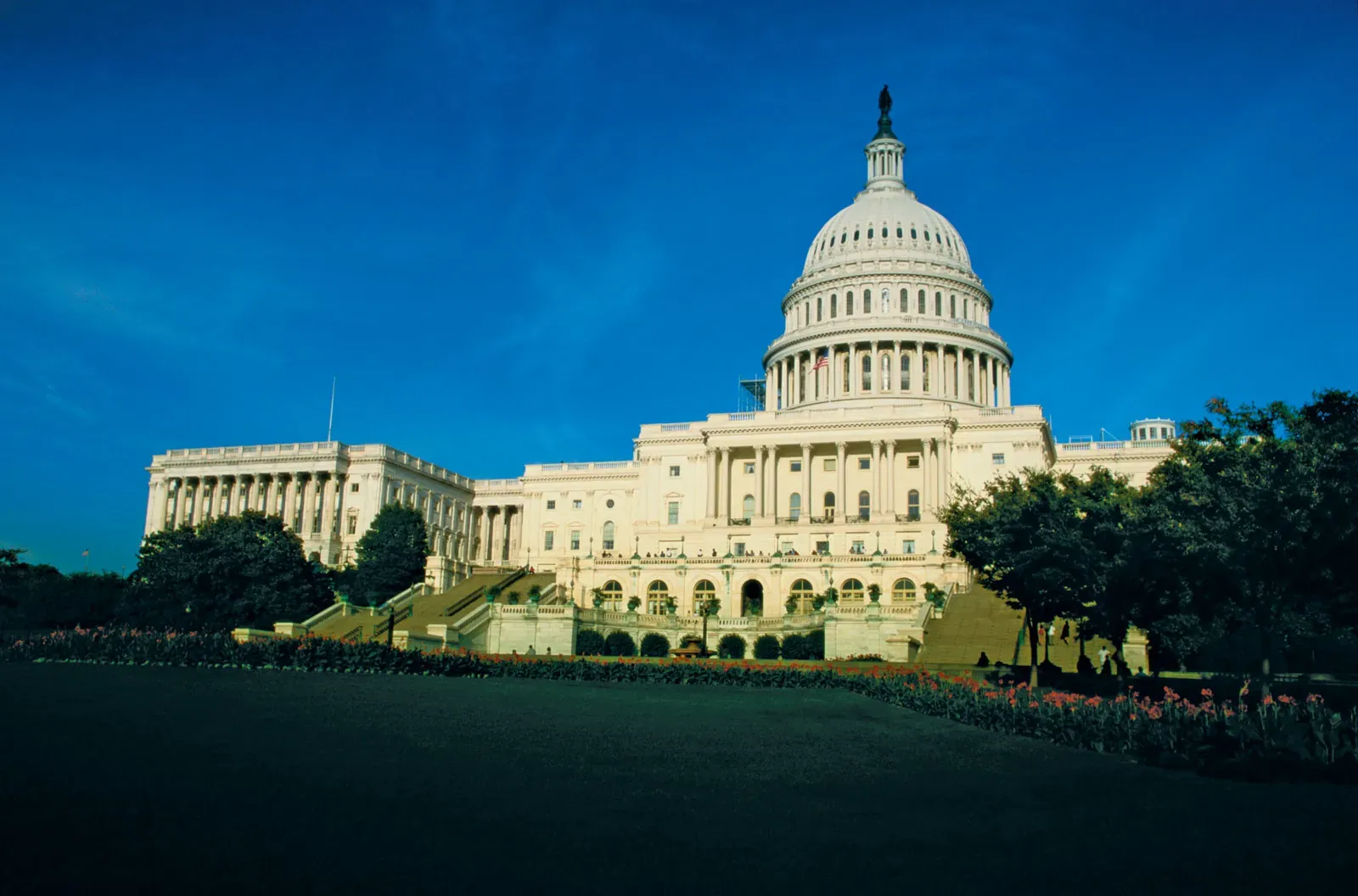
Years of escalating structural chaos and unregulated Name, Image, and Likeness spending in collegiate athletics prompted sudden federal intervention on Thursday as the Protect College Sports Act of 2026 cleared the U.S. Senate Commerce Committee.
The bipartisan legislation advanced via a 19–9 vote, establishing the first comprehensive national regulatory framework for college sports. The bill now heads to the full Senate for a potential floor vote in July, setting up a direct confrontation between federal lawmakers and the nation’s wealthiest athletic conferences.
The committee vote triggered immediate pushback from the Southeastern Conference and the Big Ten. The two power leagues released a joint statement warning the current version of the bill requires significant revisions and will inevitably trigger further lawsuits, according to the Associated Press. Their opposition sharply contrasts with formal endorsements from the NCAA, NFL, MLB, NBA, and the United States Olympic & Paralympic Committee.
The legislation codifies NIL rights into a single national standard, guarantees athletes one free transfer without losing eligibility, sets a five-year eligibility window beginning at age 19 or high school graduation, and caps agent fees at five percent. It also explicitly bans the formation of a power conference super league and requires Division I schools generating at least $80 million in annual athletic revenue to maintain women’s and Olympic sports scholarships at 2024–25 baseline levels, Front Office Sports confirmed.
A key financial mechanism in the legislation amends the Sports Broadcasting Act of 1961, allowing conferences to voluntarily pool and jointly negotiate their media rights. Proponents estimate this specific antitrust exemption could generate an additional $4 billion to $8 billion.
The 19–9 committee vote marks the first time in six years of active congressional lobbying that a college sports reform bill reached this legislative stage. President Donald Trump publicly endorsed the legislation earlier in June, urging Congress to finalize the framework before the fall sports season begins.
How the $80 Million Threshold Alters Collegiate Media Strategies
The inclusion of the $80 million athletic revenue threshold forces a hard cap on how top-tier programs can allocate future broadcast earnings. By legally mandating that Title IX and Olympic sports scholarships remain at 2024–25 levels, the legislation prevents SEC and Big Ten schools from cutting non-revenue programs to fund expanding football and basketball payrolls. If the bill passes the full Senate in July, major athletic departments will have to restructure their operating budgets entirely around this federal baseline, legally protecting developmental sports from being cannibalized by NIL collective arms races.