
The Oklahoma City Thunder rule the offseason. An ESPN panel featuring Tim MacMahon, Michael C. Wright, and Vincent Goodwill placed the Thunder at the No. 1 spot in their newly published power rankings. They claimed the top position despite executing massive roster cuts.
Cost-cutting measures erased $200 million in projected luxury tax penalties for Oklahoma City. The front office traded away key rotation pieces Isaiah Joe, Aaron Wiggins, and Luguentz Dort. Now, the team is relying entirely on a healthy core and incoming draft picks to maintain their status as title favorites.
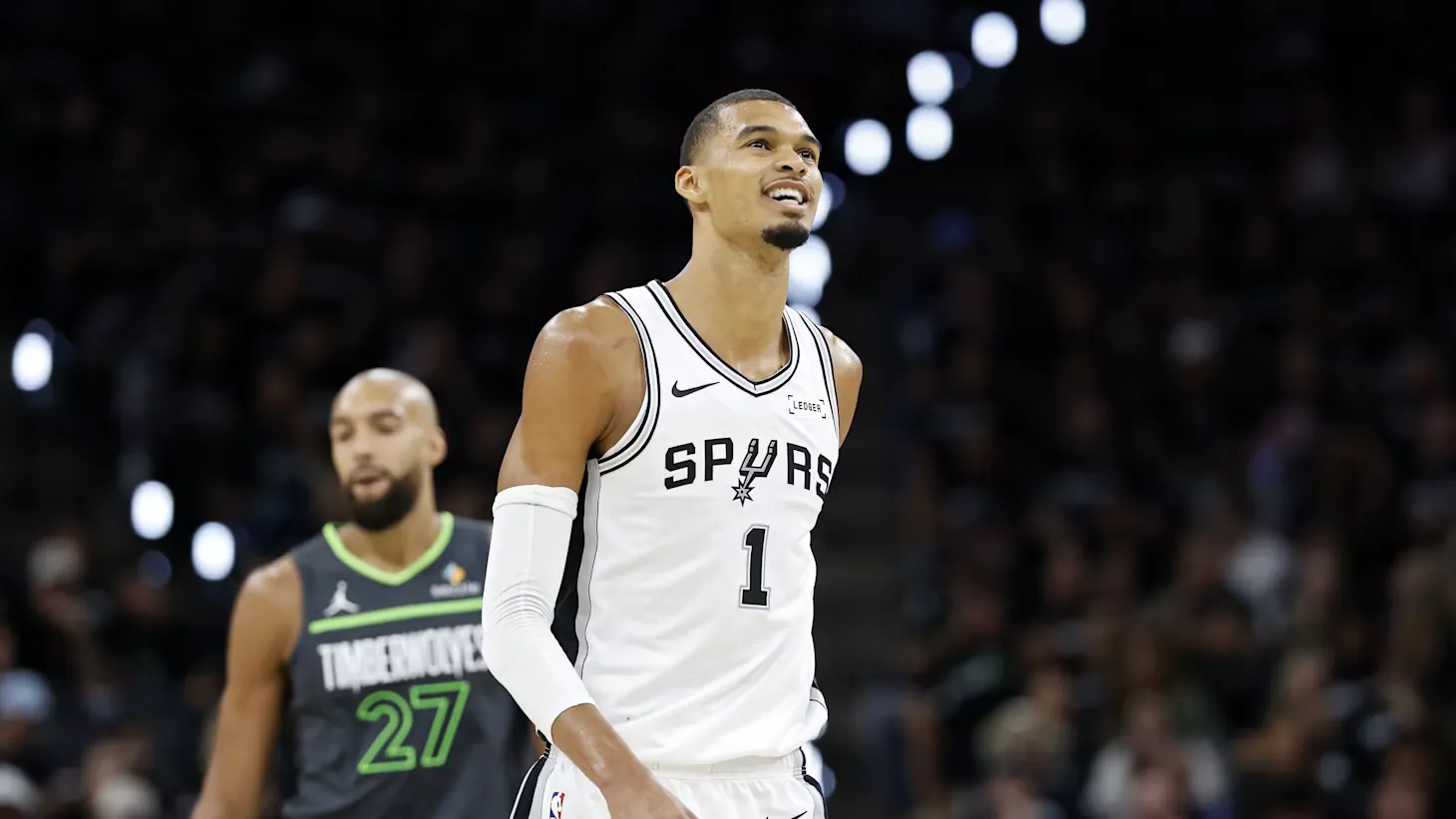
The San Antonio Spurs ranked second. The franchise opted to largely “run it back” with the exact core that reached the NBA Finals. That continuity happened because reigning Defensive Player of the Year Victor Wembanyama accepted a discounted supermax extension to keep the team together.
And what about the defending champions? The New York Knicks placed third. They are attempting to defend their first title since 1973, but the financials are getting in the way. TSN validated the ESPN panel’s top three rationale in a recent evaluation, detailing how owner James Dolan mandated the team stay below the league’s restrictive second apron tax threshold. As a result, the Knicks lost starting center Mitchell Robinson and brought in veteran Andre Drummond on a budget deal.
This second apron rule inside the NBA’s collective bargaining agreement is the defining mechanism of the offseason. It is actively suppressing free agency spending across the league and forcing contenders into difficult salary dumps, a reality outlined in an industry financial report detailing the second apron’s league-wide impact.
The Philadelphia 76ers took a completely different approach. In direct reaction to being swept by the Knicks in the playoffs, the fifth-ranked Sixers aggressively overhauled their roster by shedding Paul George’s contract and acquiring Jaylen Brown and Anfernee Simons.
The Second Apron Dismantles the Superteam Model
The financial penalties attached to the second apron are no longer a theoretical threat. They are physically breaking up championship cores. By forcing the Knicks to drop Robinson and pushing the Thunder to trade three vital role players, the league’s collective bargaining agreement effectively outlawed the traditional superteam model.
Depth is now a luxury few franchises can afford. Contenders must choose between keeping three max-contract stars and filling out a functional bench. For Oklahoma City and New York, the priority was clear. They protected the top of the roster and will hope budget veterans or rookies can survive the heavy playoff minutes.