
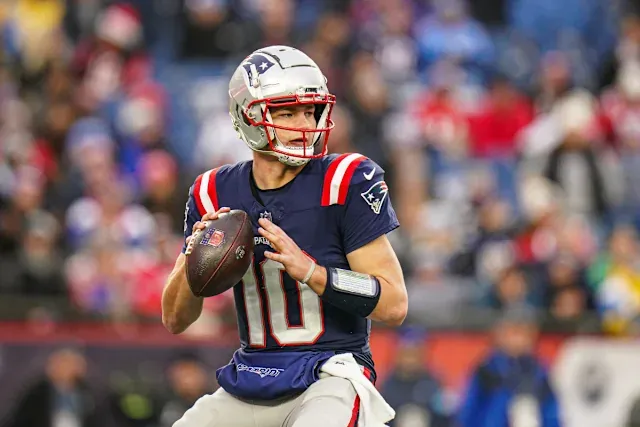
The New England Patriots possess the best young roster in football. In a comprehensive ranking conducted by Aaron Schatz at ESPN heading into the 2026 season, New England secured the No. 1 overall spot for under-25 talent.
The front office built a core around quarterback Drake Maye, offensive tackle Will Campbell, and cornerback Christian Gonzalez. Schatz highlighted this specific trio as elite “blue-chip” cornerstones.
The Houston Texans finally lost their crown. After holding the top position for three consecutive years, Houston fell to No. 2. Defensive star Will Anderson Jr. and quarterback C.J. Stroud are rapidly approaching the age limit and will not qualify for next year’s list.
The Chicago Bears sit just behind them at No. 3. Caleb Williams anchored their rise after throwing for 3,942 yards in 2025. He is currently surrounded by a young receiving corps featuring Rome Odunze, Luther Burden III, and Colston Loveland.
Other franchises executed massive developmental leaps. Outlets noted the Cleveland Browns climbing 25 spots into the top five. They sat at No. 29 just a year ago. Defensive Rookie of the Year Carson Schwesinger and rookie tight end Harold Fannin Jr. fueled that jump.
The New York Jets executed a similar surge to No. 7. That makes them the highest-ranked team on the list without a blue-chip young quarterback, a reality highlighted by the New York Jets jumping from No. 28 last year.
On the opposite end, the Los Angeles Rams rank dead last in the league at No. 32. Meanwhile, the San Francisco 49ers fell to No. 27, prompting analysts to raise red flags about the franchise’s aging core and their ability to keep their Super Bowl window open.
Strict Age Cutoffs Reshape the NFL Draft Hierarchy
The ranking methodology strictly enforces an age threshold that completely altered this year’s results. Any player turning 25 before September 1, 2026, is instantly eliminated from consideration. That hard calendar rule removed key impact players like Breece Hall and Joe Tippmann from the analysis entirely.
Houston’s drop from the top spot directly highlights the fleeting nature of rookie contracts. The teams currently celebrating high ranks face a rapidly closing window before their cheap rookie talent demands top-market veteran extensions.