
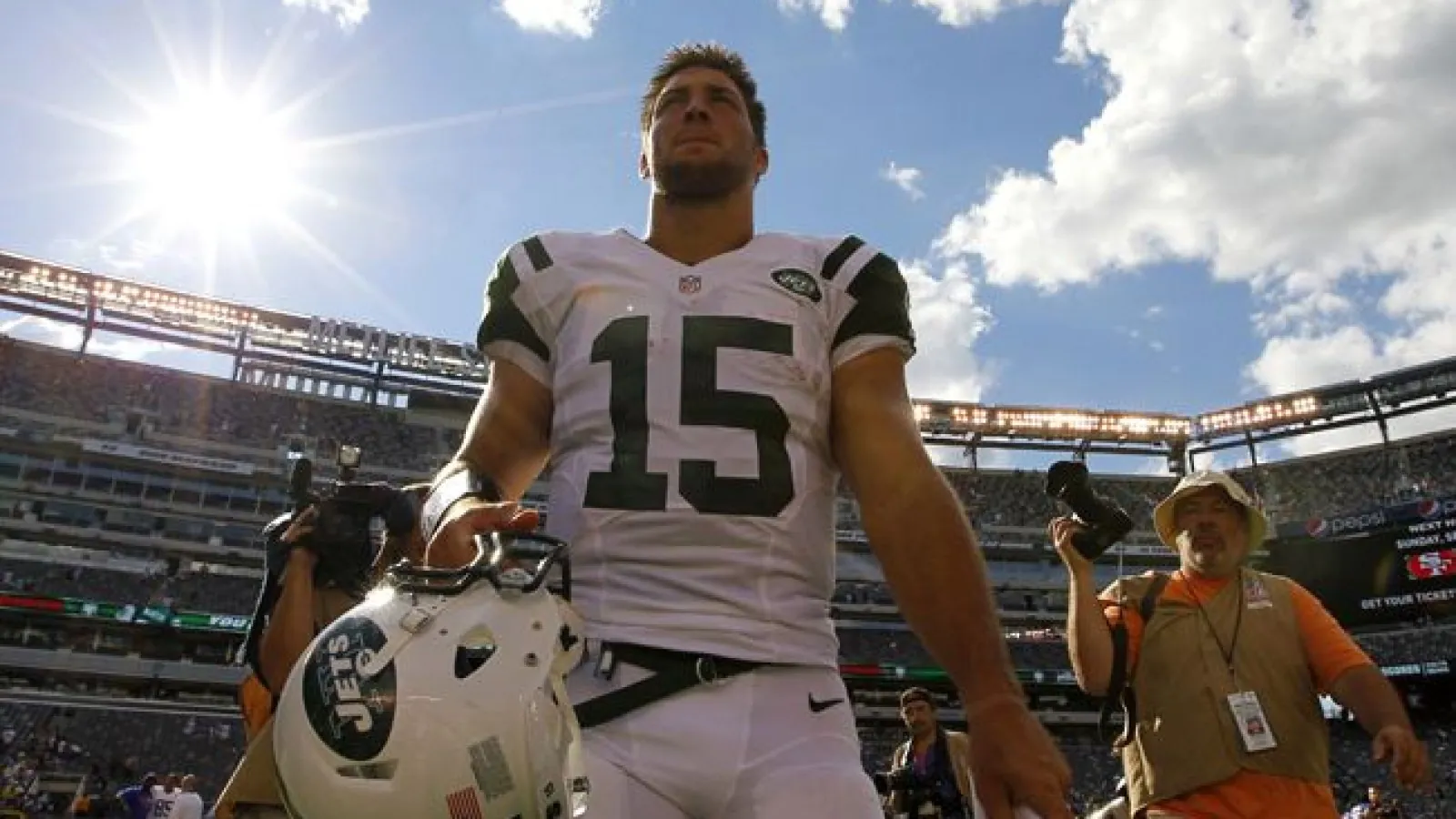
NFL owners wield vastly different levels of power over their front offices. A new deep dive into franchise decision-making exposes the varying degrees of control executives demand when building their rosters. On one end of the spectrum sits Dallas Cowboys owner Jerry Jones, who holds the formal general manager title and dictates every roster move. On the exact opposite end is Chicago Bears owner George McCaskey. He famously spent Day 3 of the 2024 NFL Draft umpiring a high school baseball game rather than hovering over his scouting department.
The consequences of ownership interference wildly fluctuate. New York Jets owner Woody Johnson was the driving force behind the 2012 trade for Tim Tebow. The Jets sent a fourth-round pick to the Broncos to secure the quarterback, only to play him for a mere 75 offensive snaps. Months later, Johnson told CNBC, “I think you can never have too much Tebow,” a quote that forever branded the failed acquisition.
Other owners have forced their hands and built championship rosters. Philadelphia Eagles owner Jeffrey Lurie held deep regret over missing out on Russell Wilson in the draft years prior. That lingering frustration led Lurie to explicitly direct his front office to select Jalen Hurts in the second round of 2020. The mandate ended the Carson Wentz era in Philadelphia but rewarded the franchise with two Super Bowl appearances and a championship over the following six seasons.
Cleveland Browns owner Jimmy Haslam took a similar hands-on approach during the 2022 blockbuster trade for Deshaun Watson. Haslam was deeply involved in the background checks and final approval of the fully guaranteed contract. Watson posted a 9-10 record and a miserable 33.1 QBR for the Browns before Haslam faced reporters at the March 2025 NFL Owners Meetings. The Browns owner publicly admitted the trade was a “big swing-and-miss” and accepted full organizational accountability.
Sometimes the franchise formula requires a simple sign-off. Kansas City Chiefs owner Clark Hunt was heavily involved in approving the draft capital required to trade up for their franchise quarterback. Hunt admitted it was “not a hard decision.” Active ownership clearly yields historic success when aligned properly with a cohesive front-office vision.