
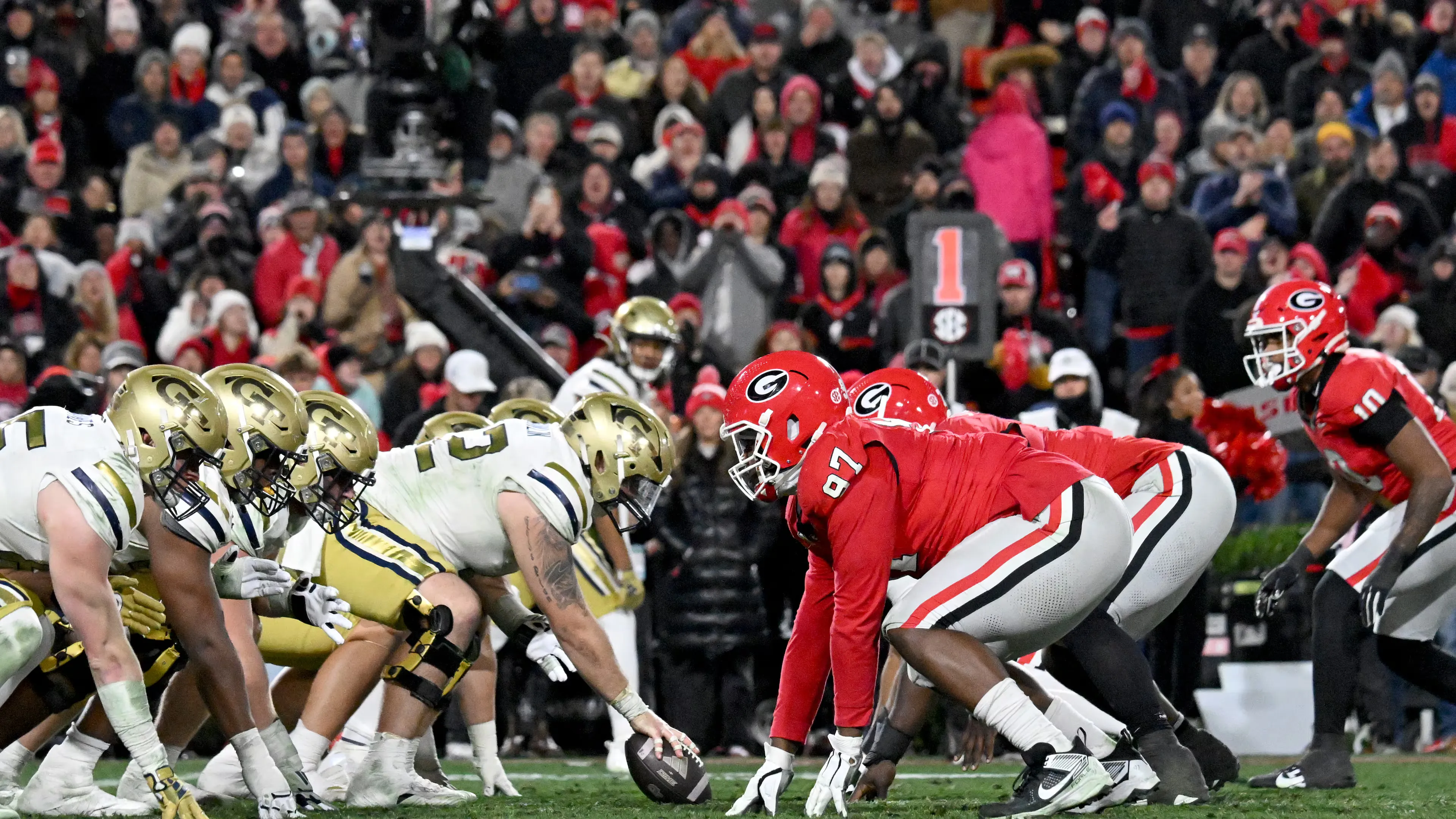
The NCAA Eligibility Center acts as the central hub determining if a high school student can step onto a college field, practice with the team, and receive athletic scholarships during their freshman year. If you follow college sports, you know how heavily recruiting impacts a program’s long-term success. But before any of those highly scouted recruits sign a letter of intent, they have to clear a massive administrative hurdle. The center reviews transcripts and athletic histories primarily to clear athletes for Division I and Division II programs. Division III schools handle their own academic standards internally. International students heading to Division III, however, still need the NCAA to officially certify their amateurism status.
How High School Academic Benchmarks Work
Athletes can’t just be good at their sport. They need to hit specific academic targets to qualify for collegiate competition. Here is the exact progression Division I prospects must accomplish before stepping on campus:
- Complete 16 NCAA-approved core courses by high school graduation. This specific load must include four years of English, three years of math, and two years of science.
- Achieve a minimum 2.3 core-course GPA across those subjects.
- Clear the 10/7 rule. This mandate forces students to finish 10 of their 16 core courses before the start of their seventh high school semester, which is usually the beginning of their senior year.
- Ensure seven of those first 10 completed courses are exclusively in English, math, or science.
The Division I academic requirements are slightly stricter than other tiers. Division II also requires 16 core courses, but they lower the minimum GPA threshold to 2.2.
How the Five-Year College Eligibility Clock Operates
The classic benchmark is that college athletes get four seasons of athletic competition. They must use those four seasons within a strict five-year window.
On June 23, 2026, the NCAA Division I Cabinet adopted a new age-based eligibility model to streamline this process. The five-year clock now starts running the moment an athlete enrolls full-time in college, or at the start of the academic year immediately following their 19th birthday (assuming a September 1 cutoff date). Whichever event happens first triggers the official countdown. Division II decided to stick with its older, sport-by-sport grace periods instead of adopting this new age-based system.
Does a traditional redshirt year eat into those four seasons of play? No. Sitting out a redshirt year burns one year off the overarching five-year clock, but it safely preserves one of the four active competition seasons.
When Amateurism and Financial Rules Apply
High school recruits deal with strict financial regulations before they ever reach a university campus. Starting in April 2026, prospects can legally use an agent prior to college enrollment. They can only do this to market their abilities to professional leagues. This gives young athletes early guidance if they are eyeing alternative paths like the NFL supplemental draft or overseas professional contracts. They can also now accept athletic prize money based on their specific placement or finish in a pre-college event.
Name, Image, and Likeness (NIL) deals require heavy paperwork. Division I prospects must report any third-party NIL agreements worth $600 or more directly to the NCAA. The updated amateurism reporting rules apply to deals signed after July 1, 2025, or whenever the athlete officially begins their junior year of high school.
Maintaining Academic Standing During College
Making the team is just the first step. Staying on the active roster requires continuous academic performance inside the classroom.
Athletes must enroll in a minimum of 12 credits per semester to hold full-time undergraduate status. If they drop below that threshold, they lose their ability to play. Division I athletes also have to pass at least six credit hours every single term just to remain eligible for the following term.
The NCAA enforces strict degree progression targets to prevent students from taking endless elective courses. By the end of year two, a Division I athlete must complete 40 percent of their total graduation requirements. That bumps to 60 percent by year three and hits 80 percent by year four.
It keeps players on track to actually graduate.
If a college player’s cumulative GPA dips below a 2.0, the school must immediately implement a formal corrective action plan to help them recover their grades.
Common Misconceptions About College Eligibility
What is the NCAA 10/7 rule?
The 10/7 rule forces Division I athletes to finish 10 of their 16 high school core courses before their senior year starts. Seven of those specific 10 classes must be in English, math, or science.
Can high school athletes have agents?
Yes. Under rules adopted in April 2026, prospects can sign with agents before they enroll full-time in college specifically to market their abilities to professional teams.
Do Division III athletes need to register with the Eligibility Center?
Domestic Division III athletes skip this step, as D3 schools dictate their own academic standards. International D3 athletes do have to register so the NCAA can clear their amateurism status.
Can high school recruits accept prize money?
They can. As of April 2026, high schoolers are allowed to accept prize money based on their performance or placement in an athletic event before they enroll full-time in college.