
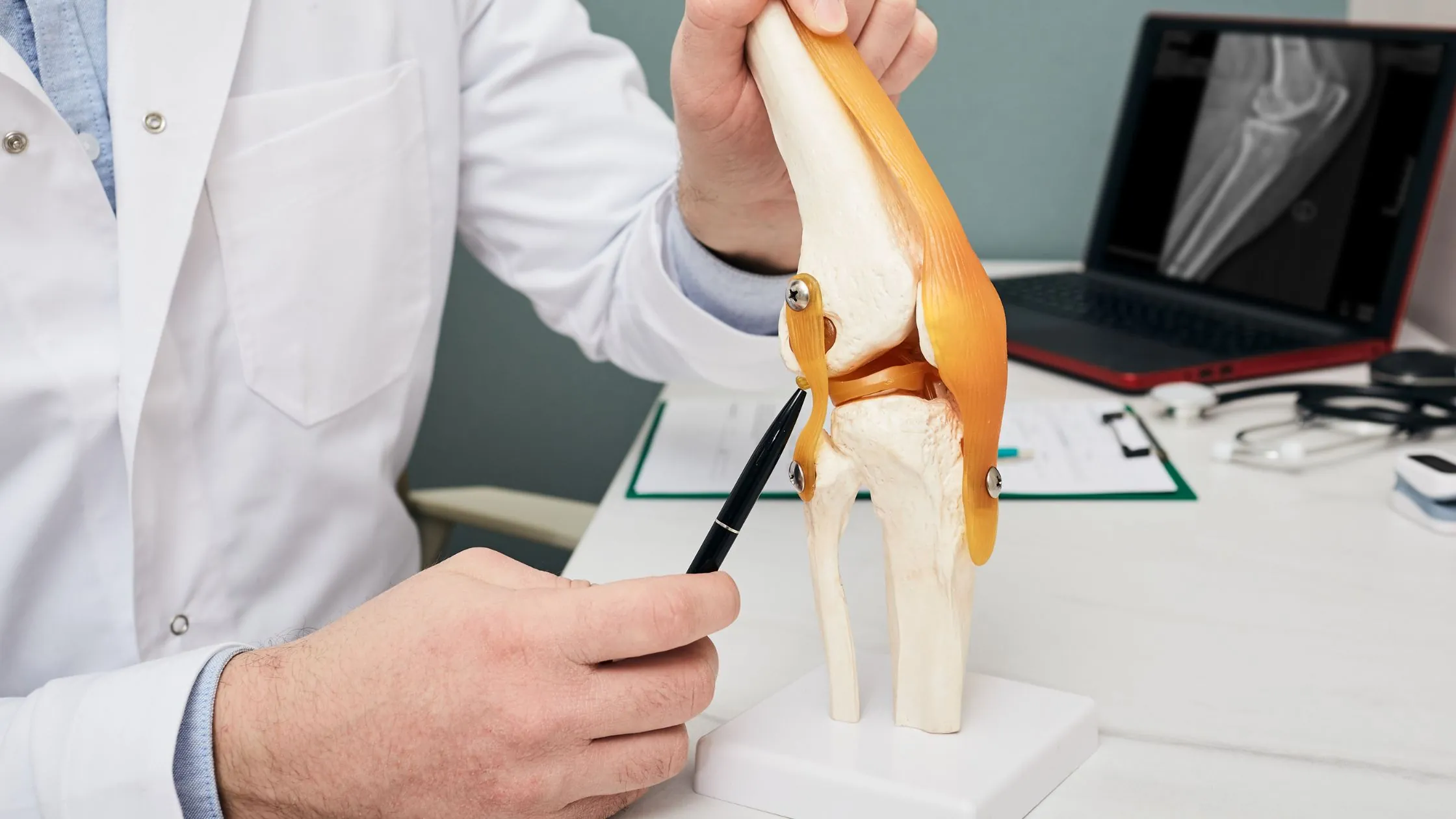
Going under the knife immediately shifts an athlete’s career timeline. Arthroscopic surgery—a minimally invasive procedure using small incisions and a camera—reduces collateral tissue damage compared to open surgery, but biological healing still dictates the clock. If an athlete needs a structural repair like a full meniscus or labrum fix, they usually sit out for six to nine months. A minor “clean-up” procedure allows for a faster return, sometimes getting a player back on the field in just four to eight weeks.
Sports medicine changed when surgeons stopped slicing joints wide open. Arthroscopy lets doctors insert a tiny camera and surgical tools through small punctures. The camera feeds high-definition video to a monitor in the operating room. The surgeon watches the screen while manipulating tiny shavers and sutures inside the joint. This precision saves healthy tissue. Less collateral damage means less post-operative pain and stiffness. The athlete gets into the physical therapy room faster, but they still cannot cheat human biology.
How Arthroscopic Recovery Works
The timeline to return to play relies heavily on functional rehabilitation. Rehabilitation follows strict, progressive staging. It does not happen overnight. Medical staffs use an eight-week progressive protocol for a meniscus repair before they even consider letting a player run.
The first week focuses entirely on effusion control. Trainers work to get the surgical swelling down. They manipulate the leg to restore the joint’s basic range of motion. By week two, the athlete starts balance and strengthening exercises. They have to wake up the muscles that naturally shut down and atrophy after the trauma of surgery.
Trainers only introduce cutting and running drills between weeks four and six. Cutting forces the joint to handle extreme lateral stress. This phase mimics the sudden changes of direction required in basketball, soccer, and football. The knee must prove it can hold up to body weight moving at high speeds before the athlete progresses.
Why Teams Use This / When It Applies
Front offices and athletes constantly weigh short-term availability against long-term health. The specific surgical choice drastically alters the recovery timeline. A damaged meniscus offers a perfect example of this medical strategy in action on a roster.
Doctors can perform a meniscectomy. This involves shaving and trimming the damaged tissue away. Athletes who get a trim can bear weight almost immediately after waking up. They usually resume full sports activities in four to eight weeks. A team making a deep playoff push might lean toward this option to get a star player back on the ice or the gridiron.
Preserving the tissue via a full meniscus repair delays the return to sports up to nine months. The cartilage needs time to biologically knit together and heal properly. A younger player or a team looking ahead to the next season will take the longer path. This prevents early-onset arthritis and protects the joint for the rest of the player’s career.
The physical requirements of a given sport heavily dictate the timeline. A wide receiver needs explosive speed off the line of scrimmage. A baseball pitcher requires extreme flexibility in the shoulder capsule to throw a fastball. Contact and collision athletes generally require much longer rehabilitation periods before doctors clear them for full contact. Football and rugby players wait the full six to nine months to ensure the repaired joint can handle high-impact loads and hard tackles.
Real-World Return to Play Rates
Athletes historically feared joint surgeries. A torn labrum or rotator cuff used to force players into early retirement. Modern clinical outcomes demonstrate very high success rates across major joints, allowing players to salvage their prime earning years.
Shoulder instability causes constant dislocations in contact sports. When the shoulder pops out, it often tears the labrum—the ring of cartilage that keeps the arm bone secure in the socket. Surgeons use an arthroscopic Bankart repair to fix the torn labrum and stabilize the shoulder. Athletes typically return to sport roughly six months post-surgery. Clinical studies show an overwhelmingly high return rate for this specific stabilization procedure compared to older, more invasive methods.
Young athletes under 30 with traumatic rotator cuff tears also bounce back. Rotator cuff tears usually affect older adults, but acute trauma can rip the tendon in young collision athletes. Medical data shows a strong majority return to play at an average of nearly six months. Half of those athletes return to the exact same or a higher level of competition after finishing rehab.
Femoroacetabular impingement hits rotational sports hard. Golfers, hockey goalies, and baseball hitters put intense rotational torque on their hips. This creates abnormal wear and tear on the hip socket. Elite athletes undergoing hip arthroscopy follow a phenomenal recovery trajectory. Most return to play, usually stepping back onto the field or ice at an average of roughly seven to eight months.
Common Misconceptions
Fans often assume younger athletes heal faster and stay healthier after surgery. The data tells a different story. Age heavily influences recurrence risk. Younger athletes face higher re-injury rates when they rush back to high-impact sports. Research on shoulder stabilizations indicates that athletes aged 22 or younger experience a noticeably higher recurrence rate of instability after a Bankart repair compared to older veterans. Their bodies heal quickly, but the violent nature of their playstyles puts the fresh repairs at immediate risk.
Another common misunderstanding involves how teams clear players for action. In the past, front offices cleared athletes based purely on the time elapsed since surgery. If the manual said six months, the player suited up at exactly six months.
Sports medicine now ignores the calendar and emphasizes objective criteria. Trainers test the athlete by comparing the injured limb to the healthy one. The repaired joint must regain a very high percentage of the contralateral limb’s strength. If the right knee only pushes 70% of the weight the left knee handles, the player stays on the bench.
Athletes must pass functional hop tests. They jump and land on the surgically repaired leg to prove it can handle the force of deceleration. Medical staffs also require athletes to achieve psychological readiness before allowing them back into full competition. Fear of re-injury ruins athletic mechanics. A player hesitating before a tackle risks a secondary injury, so they must trust the joint before taking a hit.
Frequently Asked Questions
What is the average recovery time for arthroscopic knee surgery in athletes?
Recovery depends heavily on the specific procedure. If an athlete undergoes a meniscectomy to trim a damaged meniscus, they can generally return to sports within four to eight weeks. If the surgeon fully repairs the meniscus with sutures, the timeline extends to six to nine months to allow the tissue to biologically heal before handling heavy loads.
Do athletes return to the same level of performance after hip arthroscopy?
Yes, the vast majority do. Clinical data shows that most elite athletes return to their pre-injury level or higher after undergoing arthroscopic surgery for hip impingement. They usually reach this performance mark after six to eight months of focused rehabilitation and strength training.
Is shoulder arthroscopy successful for athletes in contact sports?
Yes, arthroscopic shoulder surgery is highly successful. Research shows a high return-to-play rate for young athletes undergoing rotator cuff repairs and Bankart stabilization repairs. Athletes in collision sports wait a bit longer than non-contact athletes, sitting out from full contact for at least six months to ensure complete joint stability before taking a hit.