
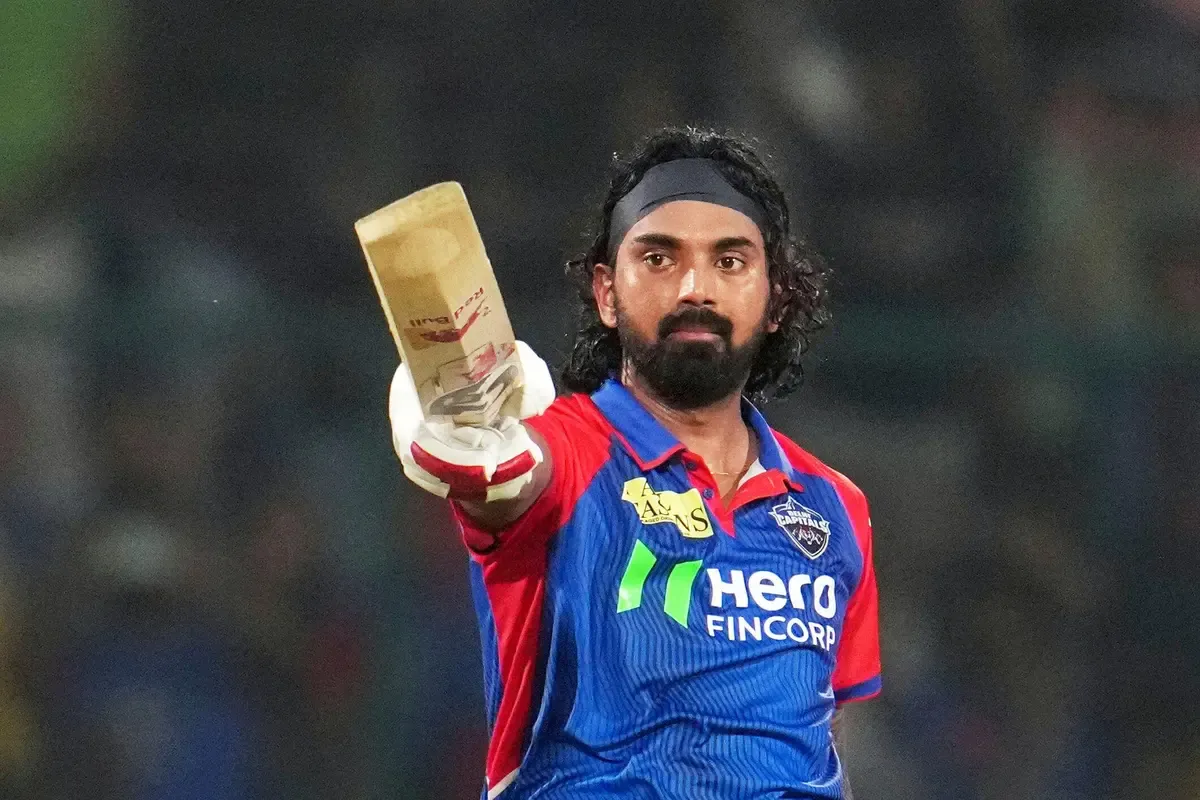
Delhi Capitals pulled off a massive three-wicket victory against Punjab Kings in a high-scoring thriller on Monday night. Chasing a target of 211, Delhi finished at 216/7 with six balls to spare. This result keeps Delhi’s season alive in a desperate fight for the final four. Punjab Kings posted a formidable 210/5 after 20 overs but could not stop a relentless Delhi batting unit in the closing stages.
The match turned on Delhi’s bold decision to overhaul their lineup with five major changes. Captain Axar Patel confirmed the squad rotation at the toss. David Miller returned to the side to provide much-needed experience in the middle order. According to a report by Outlook India, these changes were designed to fix a broken team balance that had plagued Delhi’s recent run. The management’s willingness to pivot was as high-stakes as the tense exchange in the KKR dugout seen earlier this season. It worked. Sahil Parakh and Tristan Stubbs provided the early momentum needed to keep the required run rate under control.
KL Rahul led the charge with a masterclass performance. He anchored the chase and reached a historic milestone during his innings. Rahul is now the first player in IPL history to score 1,000 runs for three different franchises. His calm presence was the difference. Punjab Kings captain Shreyas Iyer used Yash Thakur as an Impact Player to try and break the partnership, but Delhi stayed ahead of the clock. Marcus Stoinis and Yuzvendra Chahal tried to squeeze the scoring, but the short boundaries in Dharamsala favored the hitters. Arshdeep Singh struggled to find his yorkers in the final overs as Delhi’s tail wagged just enough to cross the line.
This loss is a gut punch for Punjab Kings. They had 13 points and a chance to lock in a top-two finish with a win. Now they are stuck in the pack. Delhi Capitals were eighth in the standings before this game. They had to win to avoid total elimination. The victory acts as a literal lifeline for the franchise. The pressure of these playoff stakes is now at a fever pitch as the tournament enters its final week. Every ball matters. One more slip-up and the season is over.
Why Delhi’s Desperate Squad Overhaul Saved Their Season
Delhi’s victory is a classic example of tactical desperation meeting perfect execution. By making five changes in a single game, the coaching staff admitted their previous strategy had failed. This paradigm shift was necessary. Bringing back David Miller added a psychological cushion that allowed younger players like Sahil Parakh to play with freedom. This win compares to the 2014 season where late-surge momentum defined the final standings. Delhi has now shifted the pressure onto the mid-table teams. They proved that squad depth is more than just a bench—it is a survival tool. If they carry this aggressive momentum into their next fixture, the established top four should be very nervous.