
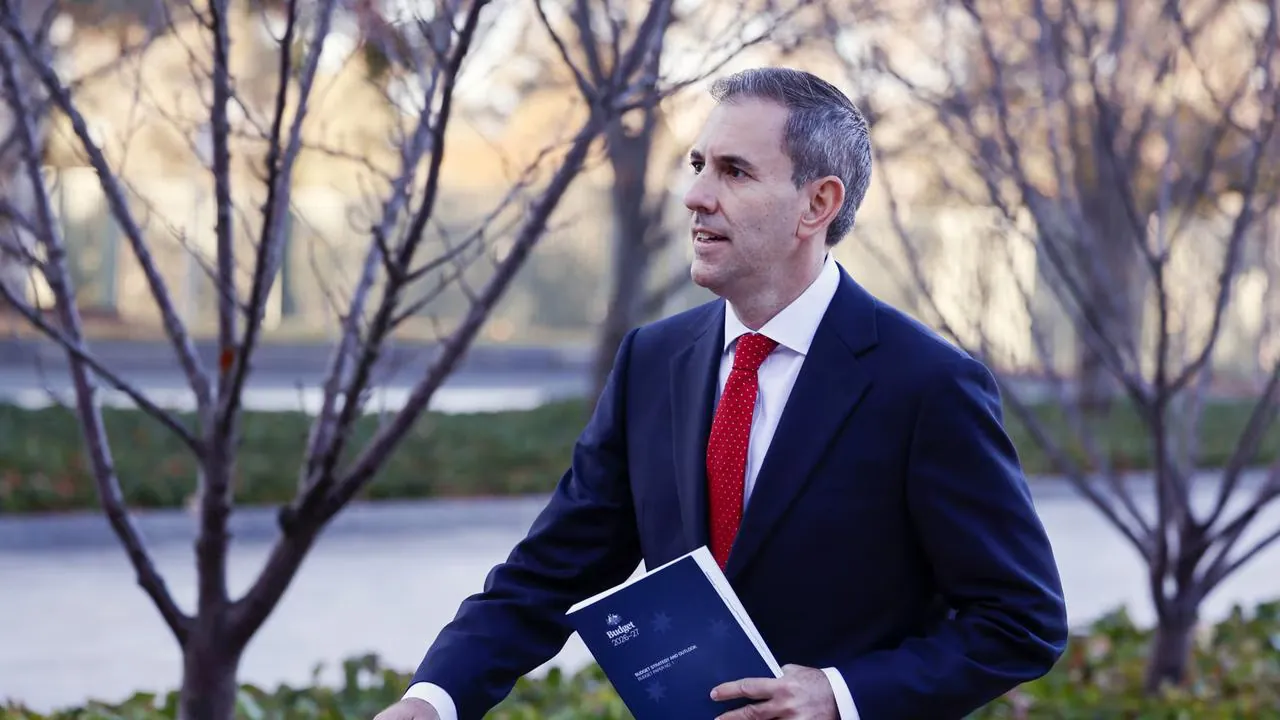
Treasurer Jim Chalmers handed down a 2026 Federal Budget on Tuesday designed to strip billions from property investors. As the Middle East war drives global instability and pushes Australia toward a recessionary tipping point, the government is abandoning decade-old tax perks to plug a massive revenue hole. The centerpiece is a brutal overhaul of the Capital Gains Tax (CGT) system that targets the nation’s most protected wealth.
Labor is officially killing the 50% CGT discount. From July 1, 2027, the discount will be replaced by a cost-base indexation model for any assets held longer than 12 months. This shift comes alongside a new, non-negotiable 30% minimum tax on all net capital gains. Treasury models suggest this property and negative gearing crackdown will rake in $3.6 billion over the forward estimates. It is a desperate move to stabilize the national bottom line while the economy stalls.
The Death of the Pre-1985 Tax Haven
In a move that shocked tax experts, the government is finally roping in “grandfathered” assets. For over 40 years, properties and assets bought before 1985 were entirely exempt from CGT. That ends now. The new 30% minimum tax will apply to these holdings for the first time in modern history. This is a fundamental dismantling of a generational wealth shelter that has remained untouched since the current tax system began.
Owners do have a small window to act. According to exemption arrangements confirmed in the budget, any gains realized on pre-1985 assets before the July 1, 2027 deadline remain tax-free. Financial analysts expect this to trigger a massive sell-off. Investors holding legacy properties now face a choice: sell within the next year or prepare for a 30% hit on their long-term profits.
Discretionary Trusts Face $4.5B Crackdown
The revenue grab extends far beyond physical real estate. Discretionary trusts are the next target in the Treasurer’s sights. A separate 30% minimum tax will hit these trusts starting July 1, 2028. This specific measure is projected to raise $4.5 billion over five years. The government is leaving fixed trusts, superannuation funds, and charitable organizations alone for now, focusing instead on the vehicles often used by high-net-worth families for income splitting.
Industry reaction was swift and divided. The Centre for Policy Development praised the budget during a post-speech briefing, calling it a necessary strike against “intergenerational wealth inequality.” But the building sector is sounding the alarm. Master Builders Australia warned that the increased tax burden on investors could lead to 35,000 fewer homes being built over the next 10 years. They argue the policy will backfire and worsen the existing housing shortage.
How the $8B Revenue Raid Forces an Australian Property Fire Sale
This budget represents the most aggressive shift in Australian property policy since the 1980s. By eliminating the 50% discount and roping in pre-1985 assets, the government is effectively telling investors that the era of easy, tax-shielded capital growth is over. The immediate consequence will be a rush for the exits. Expect a surge in property listings over the next 12 months as investors scramble to realize gains before the July 2027 tax floor locks in. This “fire sale” might provide a temporary reprieve for first-time buyers, but the long-term impact on rental supply remains a major risk.
Historically, pre-1985 assets were the “holy grail” of Australian investing because they were shielded from the tax office regardless of how much they appreciated. By breaking that seal, Labor is moving toward a paradigm where wealth is taxed based on current value rather than when it was acquired. This is a massive win for Treasury revenue but a high-stakes gamble for a housing market that is already struggling with construction costs and high interest rates. The success of this raid depends entirely on whether the new revenue can offset the potential collapse in new housing starts.