
Automated pit lane systems manage vehicle speeds through onboard engine software, verify compliance via wireless data telemetry, and ensure parts are secured using digital sensor tools. Instead of relying purely on a driver’s foot or a mechanic’s eye, modern racing series utilize these electronic nets to enforce rules and prevent dangerous pit road accidents.
If you watch any top-tier motorsport, you know races are won and lost on pit road. The margin for error is effectively zero. Teams spend millions of dollars shaving tenths of a second off their tire changes, but a single speeding infraction can ruin an entire weekend. That tension is exactly why governing bodies have removed the guesswork from pit lane enforcement. Automation now rules the pit box.
How Pit Lane Speed Limiters Actually Work
You have probably heard broadcasters talk about a driver hitting the “pit limiter” button on their steering wheel. But what is that button actually doing to a high-horsepower race car?
A pit lane speed limiter is an engine control unit (ECU) software function designed to prevent a vehicle from exceeding a strict speed limit. When the driver activates it, the ECU steps in as an electronic throttle cap. According to technical documentation from Haltech, the system manages overall vehicle speed by deliberately cutting the engine’s ignition or fuel supply. For modern cars utilizing Drive-By-Wire technology, it restricts the maximum throttle opening regardless of how hard the driver presses the pedal.
Here is the catch. The pit limiter does not brake the car automatically. Drivers must manually apply the hydraulic brakes to decelerate below the designated speed threshold before they cross the pit entry line. Once they are safely under the limit, they hit the button, pin the throttle to the floor, and let the software intervene to keep the speed perfectly flat.
Why Teams Rely on Smart Pit Guns and Electronic Scrutineering
Pit automation goes way beyond just controlling the car’s engine. The mechanics over the wall are using heavily automated tools to execute tire changes in under three seconds without causing a catastrophic wheel failure.
Teams use electronic smart pit guns equipped with real-time sensors. These devices measure wheel torque in milliseconds. When a wheel nut is perfectly secured, an integrated LED light on the back of the gun flashes green. The IMSA Acura Meyer Shank Racing GTP squad utilizes these exact LED-equipped guns during endurance events. It eliminates the old problem of a mechanic thinking a wheel was tight, only for it to detach the moment the car leaves the box.
The automation extends to the rule enforcers, too. Officials used to physically plug cables into cars to download data. Now, teams broadcast encrypted ECU data through automated scrutineering systems like the Mectronik QK Check. Cars feature embedded on-board beacons that wirelessly transmit compliance data to receivers at the pit lane exit. Technical inspectors get real-time, contactless validation without forcing a car to stop in an inspection bay.
Famous Pit Lane Penalties in Major Races
You can’t talk about pit automation without looking at how strictly it is enforced. And nowhere is it stricter than in Formula 1.
F1 does not rely on police-style radar guns to catch speeding drivers. Instead, they use a highly precise network of car transponders and electronic timing loops embedded directly into the pit lane asphalt. The system calculates the exact average time it takes a driver to pass between specific sectors. Just as officials measure photo finishes with absurd accuracy, pit lane speeds are tracked to the hundredth of a second.
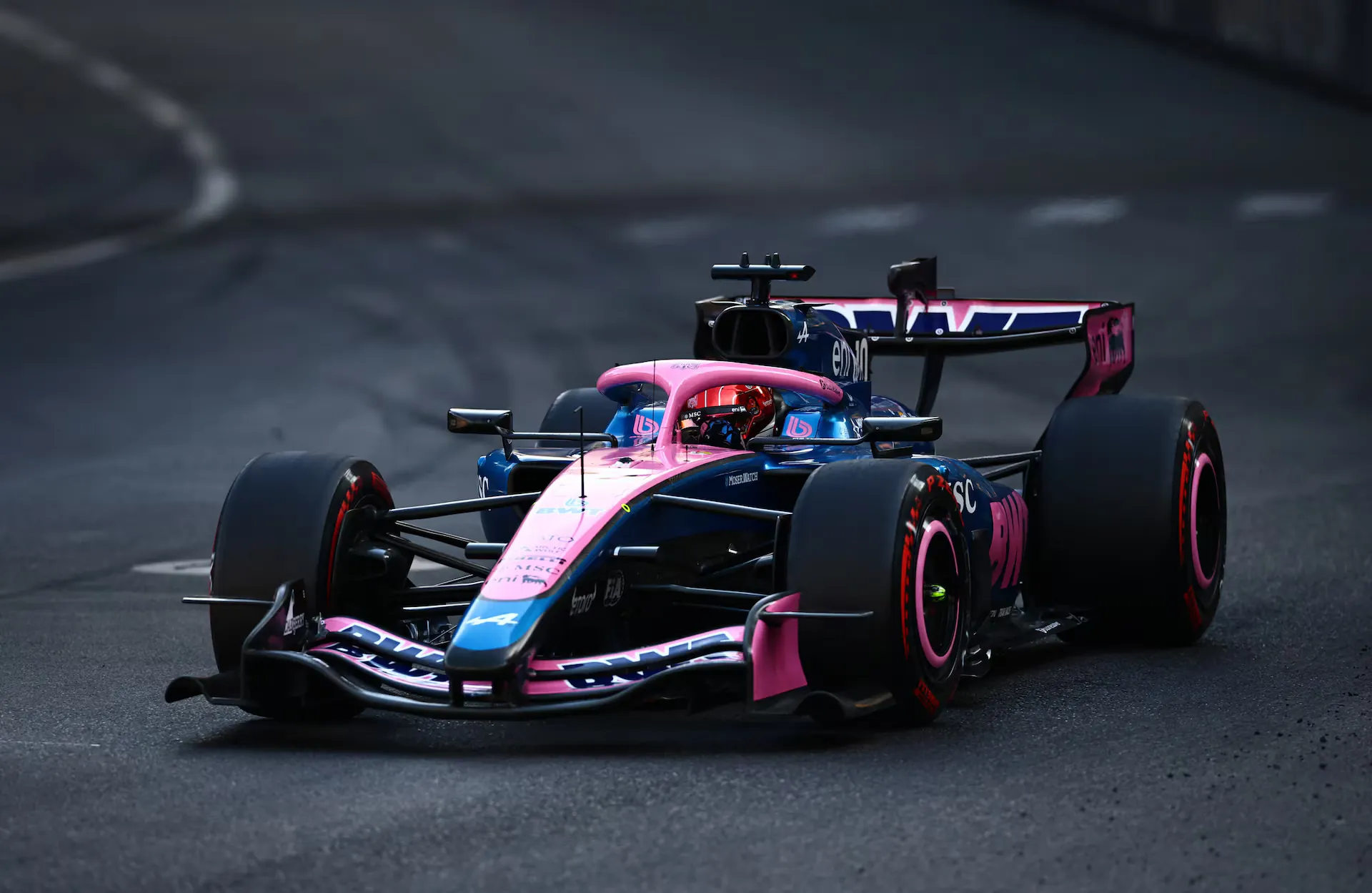
For the 2026 season, the standard F1 pit lane speed limit sits at 80kph. At tight, dangerous circuits like Monaco, it drops down to 60kph. The unforgiving nature of this automated tracking was on full display during the 2026 Monaco Grand Prix. Alpine driver Pierre Gasly lost a hard-fought third-place podium finish after receiving a combined 10-second penalty post-race. His crime? Two separate pit lane speeding infractions caught entirely by the timing loops.
In endurance racing series, teams have a different timing problem: minimum pit stop durations. Drivers run dashboard systems like the VBOX Pit Lane Timer. This system logs GPS data at 25Hz to track pit entry speed and then shifts to a live LED countdown timer. The countdown guarantees the car remains totally stationary in the pit box for the exact required duration before the driver drops the clutch.
Common Misconceptions About Pit Automation
A lot of fans assume that because computers control the speed limit, driver skill is totally removed from the pit entry process. That couldn’t be further from the truth.
Drivers spend hours in simulators practicing their pit entry braking points. The goal is to decelerate from over 300kph down to exactly 80kph just one or two meters before the timing line. Brake too early, and you lose half a second to your rival. Brake too late, and the automated timing loops catch you speeding.
There is also a physical reality the software has to account for: tire size. The ECU calculates ground speed based on wheel rotation. Wet weather tires have a noticeably larger circumference than dry slick tires. If a driver pits for wet tires and fails to manually adjust their steering wheel software to account for the size difference, the automated limiter will calculate the speed incorrectly. The result? An instant penalty.
According to the regulatory outline published by the FIA regulatory board, modern racing discipline is shifting heavily toward electronic enforcement. Companies like EM Motorsport provide digital marshalling systems that track centimetric car positioning via two-way radio telemetry, removing the need for subjective human flaggers in complex pit road scenarios.
Frequently Asked Questions
Does the pit lane speed limiter brake the car automatically?
No. The pit lane speed limiter does not apply the hydraulic brakes. A driver must manually brake to the target speed before crossing the pit entry line. Once the system is active, it merely cuts engine power or fuel to prevent the car from accelerating past the legal limit.
How is the pit lane speed limit measured in Formula 1?
F1 avoids traditional radar guns. Track speed is measured by a combination of FIA transponders on the cars and electronic timing loops embedded in the pit lane surface. These tools calculate the exact time it takes a car to pass between designated timing sectors.
What is the standard pit lane speed limit in F1?
For the 2026 season, the standard Formula 1 pit lane speed limit is 80kph. However, the FIA reduces this limit down to 60kph at specific circuits, such as Monaco, due to the tight and congested nature of the track layout.