
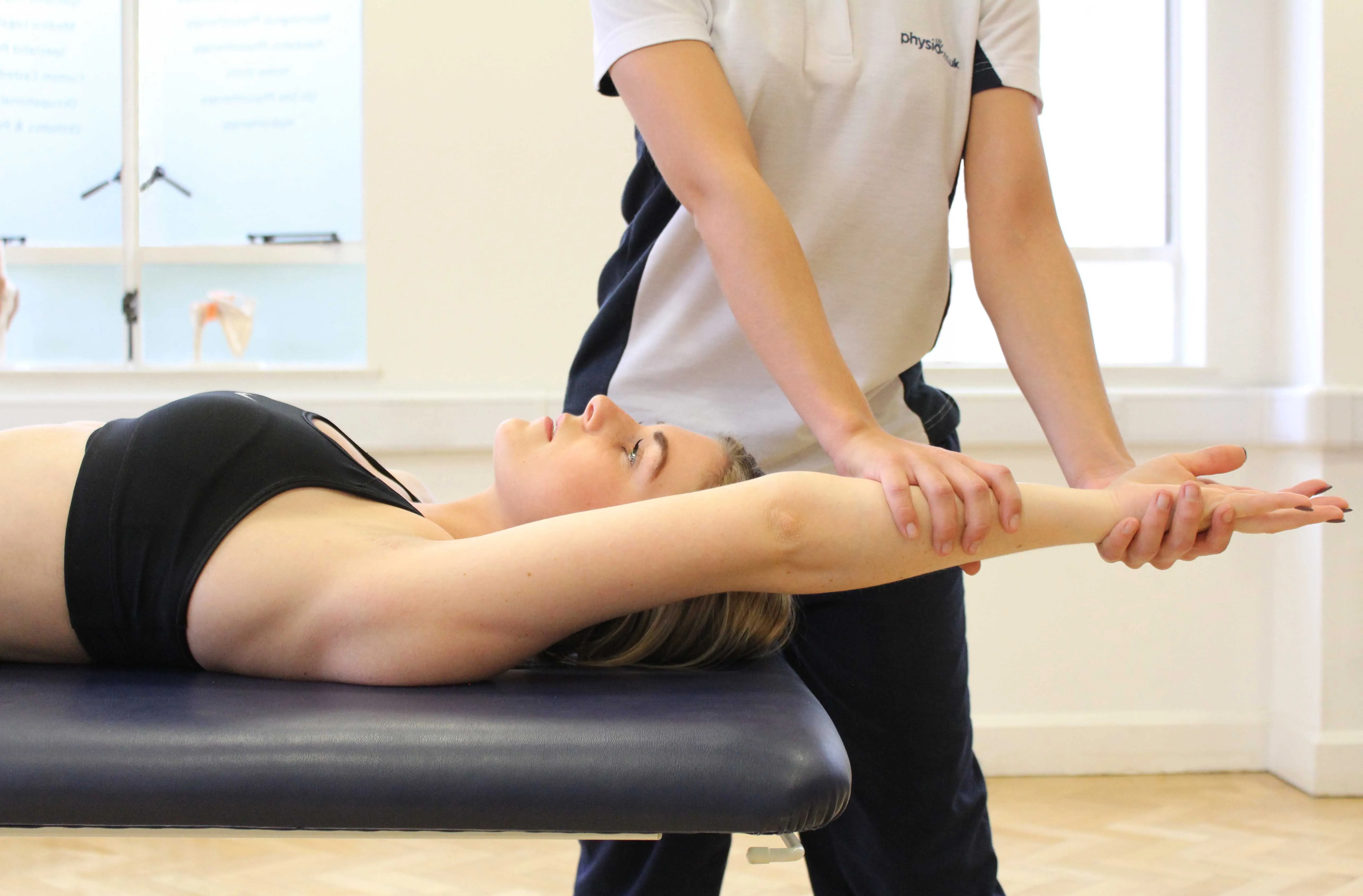
Long COVID affects joint mobility by triggering systemic inflammation, keeping immune cells constantly active, and forcing periods of physical inactivity that stiffen the muscles. People recovering from the virus frequently expect their aches to fade within a week. But for those developing long-term symptoms, the immune response fails to shut down. Inflammatory chemicals continue circulating, irritating joint linings and weakening the connective tissues that allow your body to move comfortably.
What Causes Long COVID Joint Stiffness
The SARS-CoV-2 virus kicks off a massive immune reaction. Under normal circumstances, this response clears the virus and then slowly turns off. In long COVID, the body remains in a hyper-inflammatory state. The immune system acts as though the threat is still present, continuously releasing chemicals that cause deep aches inside the joints.
Mast cell activation is another major biological factor driving this pain. Mast cells are allergy and immune defenders that sit in our tissues. Long COVID causes these cells to easily break open and release their contents, a process called degranulation. This keeps the surrounding tissue inflamed. Over months, this active hyper-inflammatory environment can damage your body’s connective tissues, stripping away the support your joints need to function smoothly.
Physical deconditioning also severely impacts how your joints feel. Being sick forces you to rest. When you stop moving during the acute phase of the virus and the long recovery that follows, your muscles weaken rapidly. Clinical data shows that physical deconditioning and prolonged immune responses lead directly to joint stiffness in the neck, shoulders, back, and knees. The less you move, the less natural lubrication your joints produce. Soon, simple motions like turning your head or standing up become rigid and painful.
Common Symptoms and Warning Signs
You can usually tell the difference between everyday soreness and long COVID stiffness by looking at how long the pain lasts and how much it restricts your daily life. The symptoms are persistent and physically limiting.
Clinical assessments reveal how common these mobility issues are. Studies show that over 60% of individuals with long COVID report lower mobility, weakness, and fatigue. This is not just feeling tired; it is a profound heaviness in the limbs. Walking up a single flight of stairs or lifting a light bag of groceries can feel unmanageable.
Duration is the main warning sign. Standard post-viral body aches clear up in a few days. Joint and muscle pain tied to long COVID typically lasts one to three months. In some documented cases, patients still exhibit skeletal muscle symptoms and poor joint function a full 12 months after they were initially hospitalized for the virus.
Upwards of 10% of people diagnosed with long COVID continue to report enduring, daily muscle and joint pain. This chronic pain disrupts their ability to work, sleep, and handle basic household tasks.
The Hypermobility Connection
Medical researchers are closely studying how long COVID interacts with joint hypermobility. Hypermobility means your joints can comfortably move past a typical range of motion. It relates to how your body builds collagen and maintains connective tissue.
Joint hypermobility naturally occurs in roughly 10% to 20% of the general population. However, researchers are finding a 30% prevalence of joint hypermobility among long COVID patients. People who already have flexible joints often experience much more severe aches after catching the virus.
Recent surveys covering thousands of adults in the UK and US found that generalized joint hypermobility heavily predicts the likelihood of developing long COVID. Having variations in your connective tissue makes severe symptoms more probable during the initial sickness. It also increases your odds of dealing with long-term symptoms, even if your first bout with the virus was mild.
Doctors are debating whether the virus actively destroys connective tissue or just reveals a genetic weakness the patient already had. Prolonged inflammation does damage fibroblasts, the cells that build your connective tissues. In a series of documented clinical cases, women with absolutely no history of flexible joints suddenly met the full diagnostic criteria for Hypermobility Spectrum Disorder (HSD) after developing long COVID.
These intense joint symptoms often mimic fibromyalgia. The post-viral inflammation is so strong that it blurs the line between long COVID and newly triggered autoimmune joint diseases, slightly increasing the risk of developing true inflammatory rheumatism in the months following infection.
How Long COVID Joint Issues Are Diagnosed
There is no single scan or blood test that instantly diagnoses long COVID joint pain. Doctors have to rely heavily on your medical history and the specific timeline of your symptoms.
Your physician will ask exactly when your stiffness started and how long your initial viral infection lasted. They will manually check the range of motion in your shoulders, neck, and knees to see where the restrictions are most severe. They usually order blood work to look for general inflammatory markers in your system.
Doctors also test for specific autoimmune markers. They need to ensure the virus did not trigger a separate condition, like rheumatoid arthritis, which requires completely different medications. If those autoimmune tests are negative but your widespread pain persists for months, the medical team will generally attribute the mobility issues to long COVID.
Treatment Options and Lifestyle Management
Treating long COVID joint pain requires a totally different approach than fixing a sports injury. Because the pain comes from systemic inflammation and cellular dysfunction, standard physical therapy can actually make things worse.
Overexertion is the biggest danger for patients. Many individuals with long COVID deal with mitochondrial dysfunction and post-exertional malaise. This means pushing your body too hard makes you feel intensely sick, weak, and inflamed for days afterward. Trying to push through joint stiffness with aggressive exercise will often trigger a massive inflammatory crash.
Medical trusts advise that complete inactivity is also bad, as staying perfectly still leads to faster muscle wasting. The recommended treatment strategy is pacing. You have to manage your movement carefully and keep your heart rate low.
Patients are instructed to stick to very low-impact exercises. This includes brief walks to a nearby bench, mild stretching while lying down, or gently moving your arms to music while sitting in a chair. The goal is simply to keep the joints lubricated and maintain basic muscle tone without setting off an immune reaction.
Rest is a necessary medical treatment in this scenario. Pacing means stopping an activity and resting before the fatigue actually hits you. Depending on your doctor’s advice, mild heat therapy and over-the-counter anti-inflammatory medications might help soothe specific stiff areas during the day.
When to See a Doctor
Always consult your doctor if you experience persistent joint pain or stiffness after a viral infection. You need medical supervision to ensure you are not dealing with a treatable autoimmune complication.
Seek an appointment quickly if your joint pain comes with visible swelling, redness, or if the joints feel hot to the touch. These are signs of active, localized inflammation that usually require specific prescription treatments.
If your stiffness makes it impossible to sleep through the night or handle your daily hygiene, contact your healthcare provider. Only a doctor can rule out other conditions and help you figure out a safe pacing plan for your recovery.
Frequently Asked Questions
How long does joint pain and stiffness last after COVID-19?
Joint pain typically lasts one to three months for patients with long COVID. However, in severe cases or for individuals with other comorbidities, clinical studies show persistent skeletal muscle symptoms and mobility issues can last over a year after the initial diagnosis.
Can long COVID make you double-jointed or hypermobile?
Emerging evidence suggests it is possible. Chronic inflammation and mast cell activation caused by long COVID can damage the body’s connective tissues. Researchers have documented case studies where individuals with normal joint mobility prior to infection developed Hypermobility Spectrum Disorder (HSD) after contracting the virus.
What are the most common joints affected by long COVID?
Patients most frequently report stiffness, pain, and reduced range of motion in the neck, shoulders, upper back, and knees.
Should I exercise if long COVID makes my joints stiff?
Yes, but with strict limitations. Total physical inactivity worsens joint stiffness and causes muscle deconditioning. However, intense exercise can trigger severe post-exertional malaise. Experts recommend pacing, starting with highly manageable, low-impact movements like short walks or seated stretching to maintain mobility.