
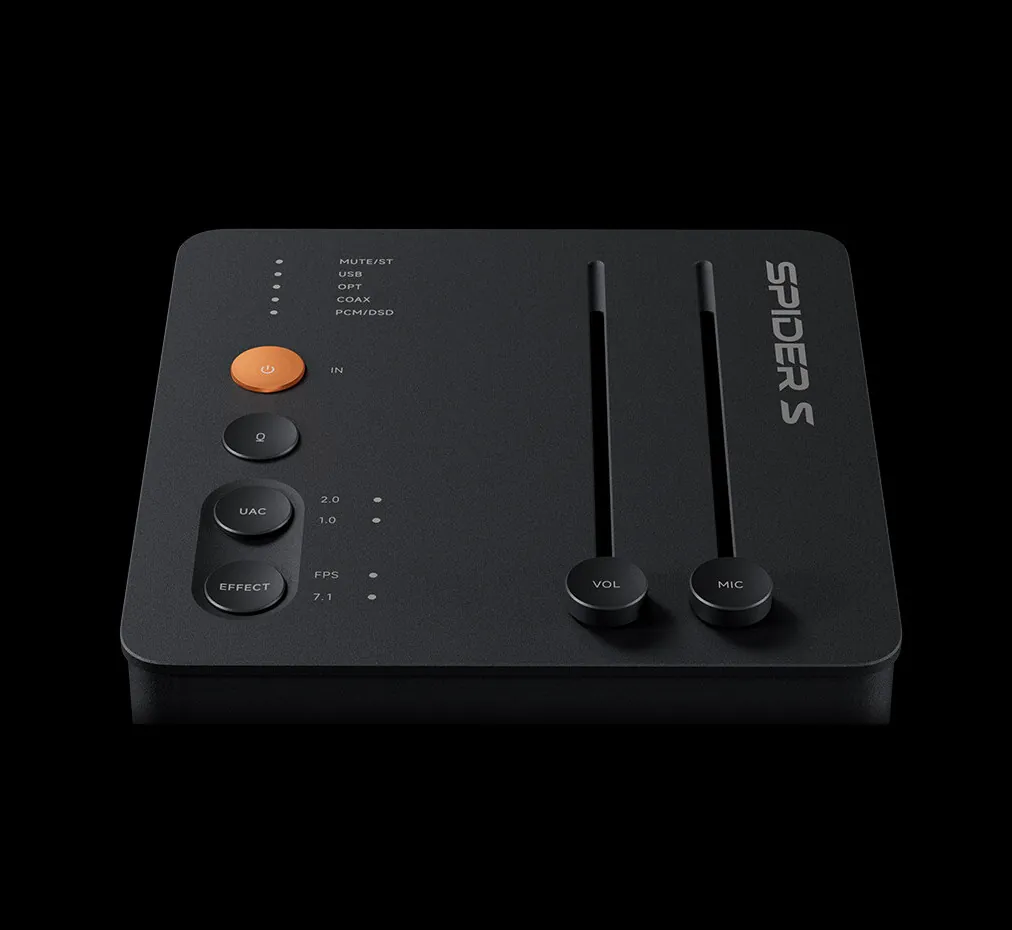
The audio market is getting incredibly crowded, but Fosi Audio just made a play that demands attention. Best known for building budget-friendly audiophile gear, the company officially launched its C3 Gaming Sound Card today, bringing a piece of highly anticipated hardware from its early-year Kickstarter campaign straight to general retail. This isn’t just another external DAC wrapped in RGB plastic; it represents a fundamental shift in how competitive FPS players process in-game sound.
For years, the standard approach to gaming audio has been applying aggressive, static EQ boosts across all channels simultaneously. This makes everything louder, but it also creates immense “listening fatigue” and audio chaos during intense firefights. The C3 is designed to fix exactly that, serving as the first AI-powered sound card in the company’s esports-focused Spider S lineup.
How the AI Separates Chaos from Cues
The flagship feature of the C3 is something Fosi calls “StepSense.” It’s an in-house AI model trained on thousands of hours of FPS gameplay, designed to dynamically analyze incoming audio streams with an ultra-low 10ms latency. The system isolates and enhances critical situational cues—specifically enemy footsteps, vaulting animations, and grass movement—by 3 to 9 dB. Crucially, it does this without simultaneously amplifying loud, distracting noises like nearby gunfire or explosions, according to the official launch specifications released by Fosi.
Beyond its competitive multiplayer applications, Fosi hasn’t abandoned its core audience. The C3 operates as a legitimate high-fidelity audiophile DAC and headphone amplifier. Under the hood, it is powered by an XMOS XU316 16-core processor paired with a premium Cirrus Logic CS43131 DAC. Dual Texas Instruments TPA6120 amplifiers provide enough power to drive demanding 16–300Ω studio headphones, ensuring that music playback doesn’t suffer when you stop gaming.
The physical hardware is built into a compact, all-aluminum chassis featuring an ergonomic 5-degree tilt. It offers true hardware-level 7.1 spatial audio support, which is a major draw for users tired of wrestling with buggy software-emulated surround sound. The unit also includes physical tactile sliders for fast desktop adjustments during matches, validating original reports regarding the C3’s capabilities.
To support the hardware, Fosi built a driverless, web-based control hub. This allows players to load game-specific EQ profiles for dominant titles like Counter-Strike 2 and PUBG directly into the sound card, bypassing the need for bloated background software on their PCs.
Why Schiit Audio Should Be Paying Attention
The launch of the C3 highlights a significant shift in the desktop audio industry. For years, gamers have relied on static software EQ tuning—like Creative’s legacy Scout Mode—to gain a competitive advantage. The move toward dynamic, AI-driven digital signal processing makes those older software solutions look distinctly outdated.
This release also positions Fosi Audio in direct competition with established giants in the compact gaming audio space, most notably Schiit Audio and its Gunnr and Fulla lines. By bridging the gap between high-end music playback quality and a tangible competitive multiplayer advantage, the C3 targets a very specific, highly lucrative demographic: players who refuse to compromise on either front.