
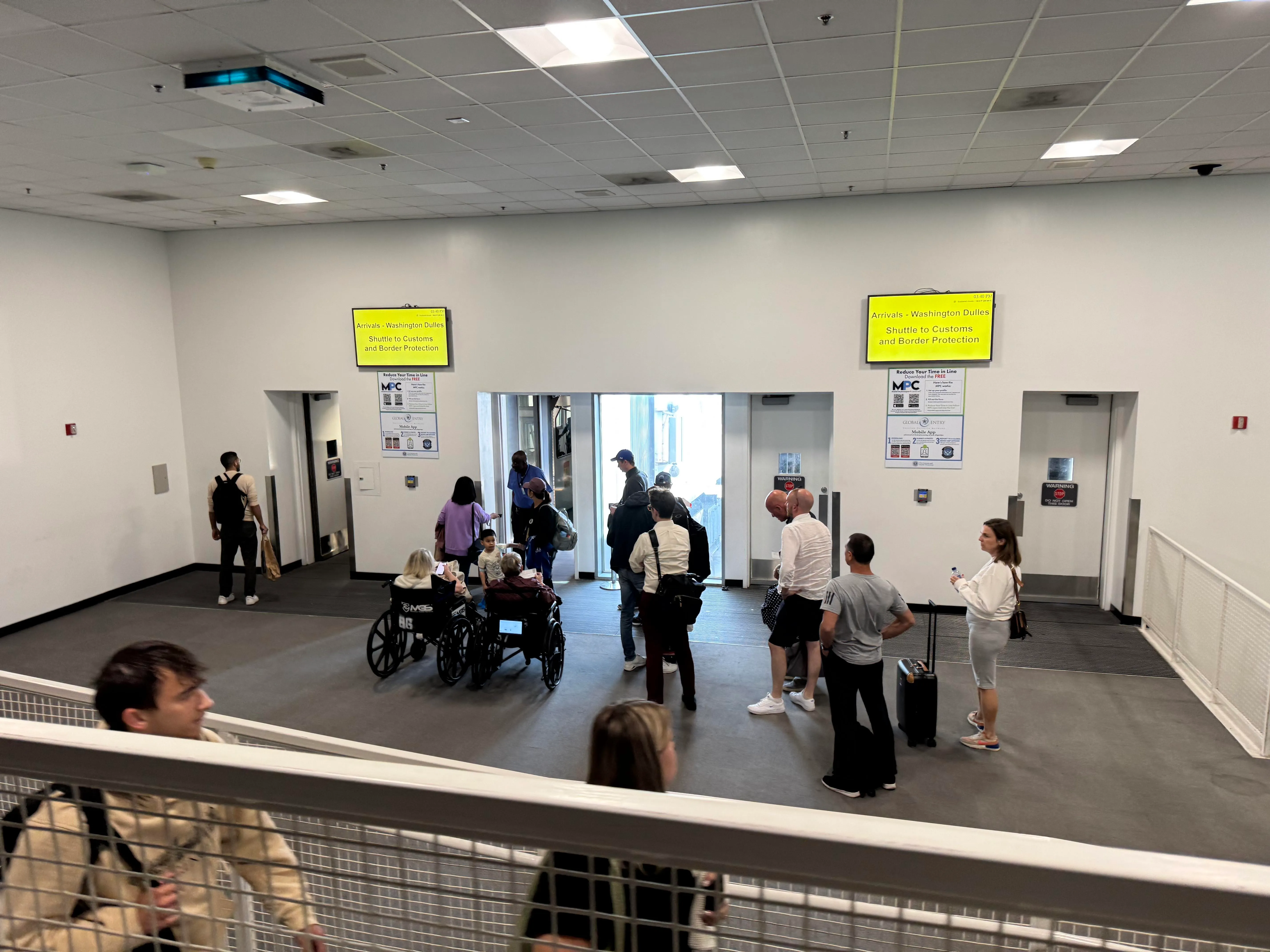
Airport screening for infectious diseases is a set of public health measures applied at border entry and exit points to detect and delay the spread of communicable illnesses. Authorities rely on a layered approach to monitor crowds. Agents use temperature checks, health questionnaires, visual observation, and sometimes voluntary swab testing to identify sick travelers. The goal is to catch cases before local transmission occurs. The reality is that these measures are imperfect. Their main benefit is acting as a deterrent against visibly sick individuals choosing to travel.
Exit screening identifies diseased persons before they board an international flight. This stops them from exposing other passengers in the confined space of an airplane cabin. It involves checking temperatures and verifying health status before anyone receives a boarding pass. Entry screening happens after travelers have potentially been exposed to an illness during their journey. It involves assessing arrivals, tracing their recent contacts, and implementing public health measures like quarantine if necessary.
What Causes Airport Screening Protocols to Activate
Health agencies monitor disease clusters globally to protect populations. When an outbreak reaches a critical threshold in a specific country, governments activate emergency screening procedures at points of entry. Public health officials evaluate the transmission method of the disease, its incubation period, and its mortality rate. These details help authorities decide how strict the border checks must be to prevent an epidemic from spreading internationally.
The 2026 Ebola outbreak in Central Africa offers a clear example of how these protocols function in real time. As cases of the rare Bundibugyo strain escalated rapidly in the Democratic Republic of the Congo, Uganda, and South Sudan, the U.S. government stepped in to protect domestic health. Authorities implemented targeted restrictions for anyone returning from those regions.
Instead of allowing travelers to land at any domestic airport, the government used a method called funneling. The Department of Homeland Security mandated that all U.S.-bound passengers who had been in the affected nations within the previous three weeks had to route their flights through specific hubs. Washington Dulles International Airport and Hartsfield-Jackson Atlanta were designated for these enhanced public health screening measures.
Airline agents contact passengers returning from affected regions and rebook their itineraries to match these approved entry points. Green card holders and non-citizens face even stricter rules during major outbreaks. To contain the spread, the U.S. temporarily banned green-card holders arriving from the impacted African nations for thirty days. The government determined that limiting their entry was reasonably required in the interest of public health, prioritizing the safety of the broader population over standard travel routines.
Common Symptoms and Warning Signs Looked For
When you step off a plane from a high-risk area, trained health workers are watching the crowd. They use syndromic screening to identify visible signs of illness before passengers mingle in the terminal. They look for specific medical profiles. Agents watch for respiratory distress, persistent coughing, gastrointestinal problems, and signs of hemorrhagic fever like unexplained bleeding. A traveler leaning heavily on a luggage cart while sweating profusely will immediately catch their attention.
Infrared thermal scanners are deployed near customs checkpoints to automate this process. These devices scan crowds rapidly and measure the body heat radiating from a person’s skin. If the scanner detects an elevated temperature, an alarm alerts the staff. The passenger is pulled aside for a secondary evaluation with a standard clinical thermometer. Security teams rely heavily on this technology because it processes thousands of people without causing a bottleneck at passport control.
These scanners give travelers peace of mind. They look high-tech and reassuring. Science tells a different story. Medical researchers know that thermal screening fails to detect viruses with long incubation periods. People carrying a virus often show zero symptoms for days or weeks. During the height of the COVID-19 pandemic, public health models proved that standard thermal screening missed nearly half of all infected travelers. Fever-based checks cannot catch asymptomatic carriers who feel perfectly fine but are actively shedding the virus in the airport terminal. They also fail when a passenger simply takes an over-the-counter fever reducer before their flight.
Travelers also fill out health declarations. You provide a list of countries you visited recently. You check boxes asking if you have felt feverish, suffered from muscle aches, or had contact with anyone sick. Honesty is the only thing making this step work. Sick passengers can easily lie on a piece of paper to avoid delays. Paper forms offer very little protection against a traveler desperate to get home.
How Potential Infections Are Diagnosed at the Airport
If a scanner flags you, or you declare symptoms on a form, the administrative process stops and the medical process begins. You are escorted to a private room away from the main terminal. Under established international protocols, such as the Frankfurt Model, medical personnel take charge of the situation.
A quarantine officer, medic, or nurse wearing full personal protective equipment conducts a detailed interview. They ask about your exact travel history. They want to know if you visited rural farming areas, attended a funeral, or spent time in a healthcare facility abroad. They check your vital signs and perform a physical examination to rule out common travel ailments like food poisoning.
Sometimes the inspection happens before anyone gets off the plane. If the flight crew notices a highly symptomatic passenger mid-flight, the pilot radios ahead. When the plane lands, medics board the aircraft immediately. They interview the flight attendants to gather facts about the sick individual. They inform the passengers about the suspected disease and inspect everyone while they are still in their seats to prevent the virus from spreading into the jet bridge.
Airlines face severe logistical headaches when mistakes happen. An Air France flight bound for Detroit was diverted to Montreal because a passenger who had recently been in the Congo boarded the plane in error. Canadian border officials stopped the flight. A quarantine officer evaluated the traveler in Montreal, found them asymptomatic, and removed them from the plane before allowing the aircraft to continue to its final destination.
Diagnostics go beyond emergency outbreaks. The CDC runs voluntary surveillance programs at several major airports in the United States. They ask arriving international passengers to provide a nasal swab. The agency tests these samples for more than thirty different pathogens, including influenza and RSV. This gathers scientific data on biological threats circulating globally without forcing every traveler into a mandatory medical exam. Passengers who participate do so voluntarily, adding an extra layer of public health intelligence to the national database.
Treatment Options and Airport Protocols
An airport terminal is not a treatment center. The primary goal of airport health staff is isolation and containment. If an on-site doctor determines you are a severe public health risk, they will not send you to the baggage claim. You will be held in a designated quarantine facility at the airport to prevent further contamination of the public spaces.
Local public health departments coordinate with emergency medical services to transport you safely. Specially equipped ambulances move highly contagious patients to designated hospitals with biocontainment units. The public health authority then begins contact tracing. They collect the flight manifest and reach out to anyone who sat within a few rows of you on the airplane.
The best way to handle a sick passenger is to prevent them from arriving at the airport in the first place. The CDC manages a strict federal “Do Not Board” list. If a person is known or strongly suspected of having a highly contagious disease, their name goes on this registry.
The Transportation Security Administration enforces the rule. Their computers block anyone on the list from receiving a boarding pass for any commercial flight to, from, or within the United States. You cannot bypass this by using a different airline or checking in online. Customs and Border Protection officers also use public health lookouts in their databases. If a flagged traveler attempts to cross a land border or seaport, the system alerts the agents to isolate the individual immediately.
Broad travel restrictions work better than individual airport checks. Epidemiological studies show that while point-of-entry screening offers modest delays in community transmission, restricting broad international travel from an outbreak zone is vastly more effective at stopping case importations. The political reality is that airport screening reassures a panicked public, even if the medical community understands its limitations.
When to See a Doctor After International Travel
Post-travel health is entirely your responsibility. Always consult your doctor if you feel unwell after a trip abroad. Many tropical and viral diseases incubate silently. You might feel perfectly fine walking through customs and suddenly develop a high fever two weeks later.
Pay attention to your body for a full 21 days after returning from a high-risk region. Watch for muscle pain, severe headaches, vomiting, diarrhea, or unusual bruising. The timeline matters. If you get sick on day three, it might be a local stomach bug. If you develop a soaring temperature on day eighteen after visiting an outbreak zone, you need immediate professional attention.
Call your healthcare provider first. Do not drive yourself to a crowded urgent care clinic. Tell the person on the phone exactly where you traveled and what symptoms you are experiencing. Medical staff need this information to prepare for your arrival. They will likely ask you to enter through a side door and wear a mask so you do not expose vulnerable people sitting in the main waiting room.
Frequently Asked Questions
What is the CDC’s “Do Not Board” list?
The “Do Not Board” list is an administrative tool used by the Centers for Disease Control and Prevention to prevent individuals known or suspected to have a contagious disease from getting a boarding pass. The restriction applies to all commercial flights and is strictly enforced by the Transportation Security Administration.
How effective are thermal scanners at airports for catching diseases?
Thermal scanners are largely ineffective at catching diseases that have long incubation periods or high rates of asymptomatic spread. Travelers who are infected but not yet running a fever walk right through the scanners. Public health models estimated that thermal screening missed nearly half of all infected travelers during the COVID-19 pandemic.
Why do infected passengers still make it through airport screening?
Infected passengers slip through screening because fever-based checks and visual observations rely on the person actively showing signs of illness. If a virus is still incubating in the host’s body, the person appears completely healthy to both the medical staff and the infrared cameras. Reliance on self-reported health questionnaires also allows people to simply omit their symptoms to avoid being detained.