
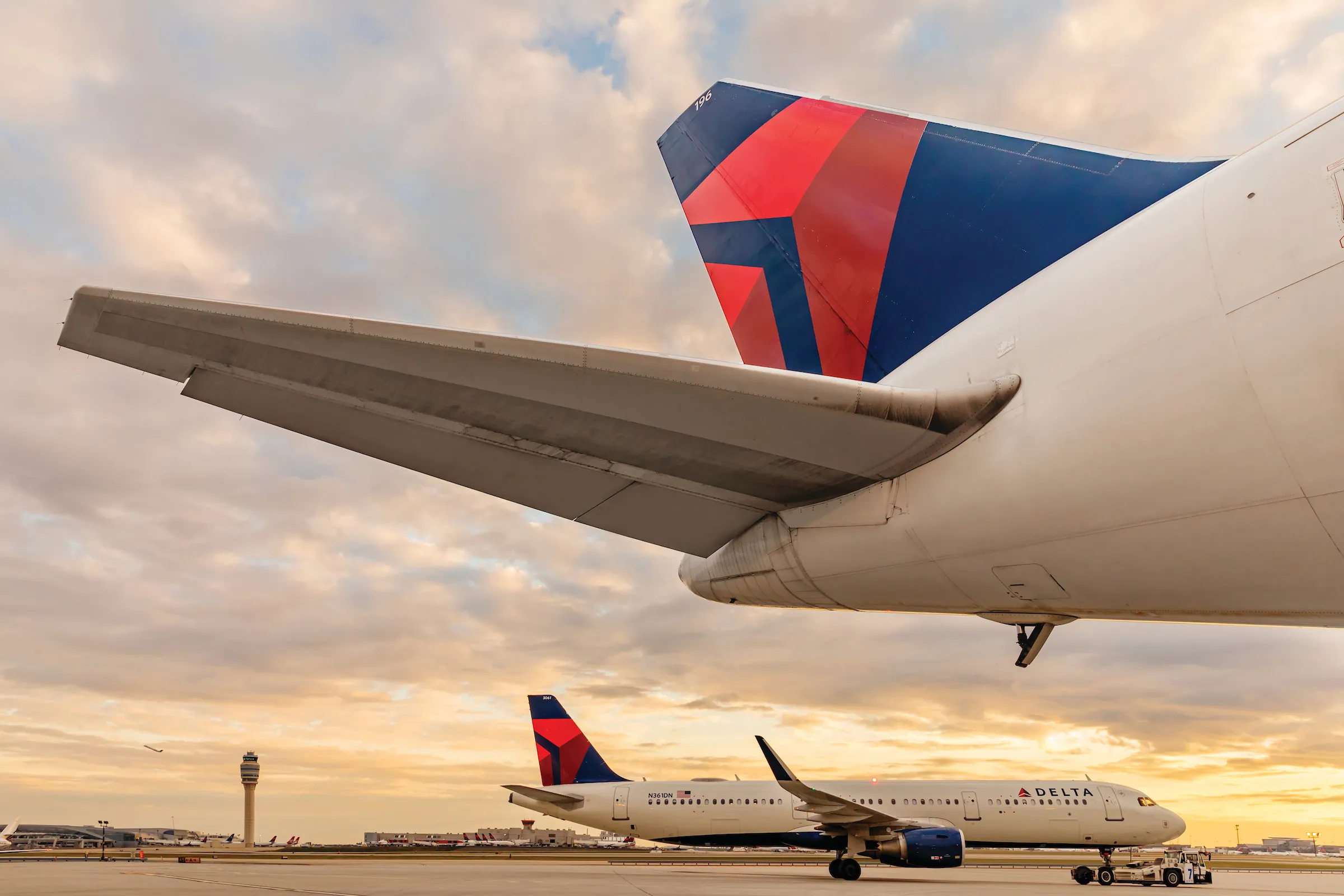
Imagine settling in for a long-haul flight across the Atlantic, trying to sleep, and finally touching down exactly where you started. That is the frustrating reality for passengers on Delta Air Lines flight DL54. The Sunday trip from Hartsfield-Jackson Atlanta International Airport to Lagos, Nigeria, aborted its journey mid-flight. The plane spent 7 hours and 48 minutes in the sky before returning to Georgia. This sudden U-turn happens against the backdrop of an ongoing operational crisis at Delta’s primary Atlanta hub. The airport has been buckling under continuous disruptions since early April.
The flight took off on May 10 aiming for the West African coast. But something went wrong over the ocean. Instead of diverting to closer emergency options in Western Europe or the Azores, the crew made the grueling trek back to the United States. The exact 7 hours and 48 minutes flight time was tracked before the aircraft safely landed back at its origin, according to Aero News Journal. Delta officially cited an “operational issue” for the mid-air return in a brief statement to the media.
The airline did not specify if the problem was mechanical or logistical. The decision to bring the plane all the way back suggests the aircraft required specialized attention at Delta’s main maintenance base. Upon landing, the plane was immediately grounded for inspection. The flight was canceled entirely. This caused a massive ripple effect for travelers waiting in Nigeria. The subsequent return leg from Lagos to Atlanta, scheduled as DL55 for Sunday morning, was scrapped. Hundreds of people scrambled to find alternative travel arrangements, as detailed in a report by Brand Icon Image.
How the Atlanta Hub Crisis is Breaking Schedules
The sheer length of this aborted flight highlights a deeper systemic problem at the busy airport. This exhausting eight-hour turnaround is just the latest symptom of severe operational chaos at Hartsfield-Jackson. The airport just suffered its 39th consecutive day of elevated disruptions. By May 9, the hub recorded 224 total disruptions in a single day. This specific crisis period began around April 1.
The infrastructure is clearly strained. Bringing an aircraft back across the Atlantic rather than utilizing a European partner base puts more pressure on an Atlanta maintenance grid. That grid is already struggling to keep flights moving on time. Passengers pay the price in lost time and missed connections.