
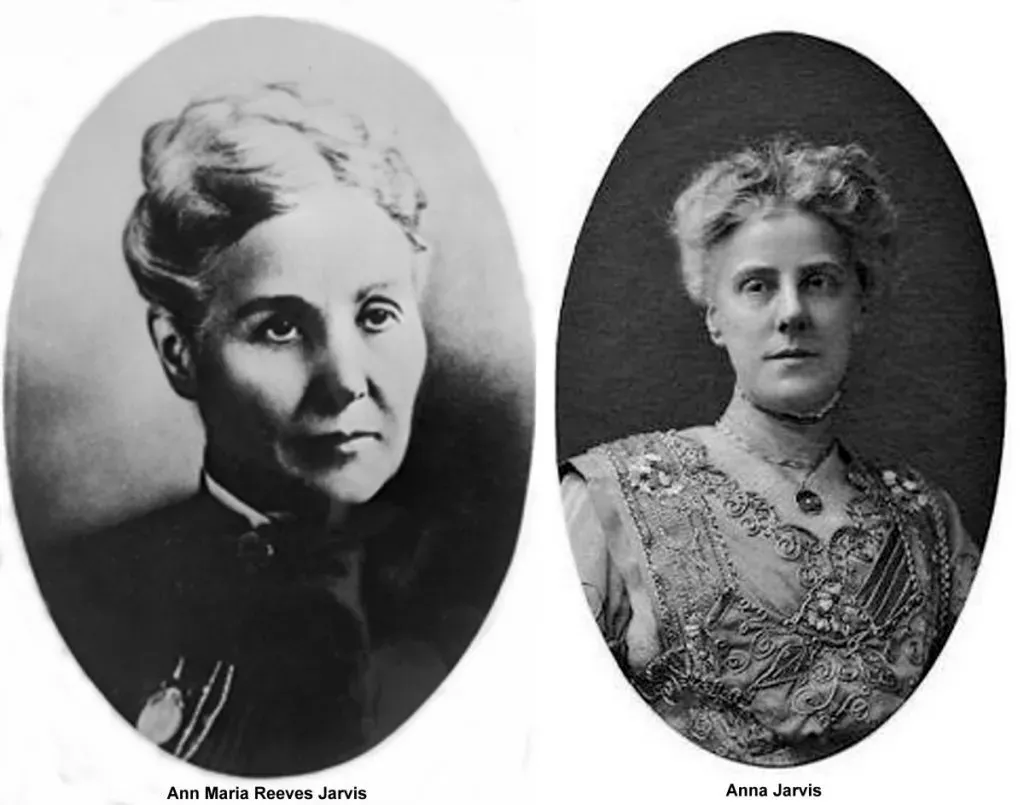
Today is Sunday, May 10, 2026, and families across the globe are pausing to celebrate Mother’s Day. This year, the holiday feels different as global economic shifts and the ongoing conflict in the Middle East have made traditional travel and large gatherings more difficult for many. While the day is typically filled with flowers and cards, the Old Farmer’s Almanac confirms that it always officially falls on the second Sunday of May. Even with rising costs and global instability, the core mission of the day remains the same: honoring the women who raised us.
The story of how this day began is much more intense than a standard brunch. It all started with a woman named Anna Jarvis. After her mother, Ann Reeves Jarvis, died in May 1905, Anna felt a deep need to create a day that honored the daily sacrifices mothers make. She didn’t want a massive party or a retail event. She wanted a simple, quiet memorial. according to Time Magazine, Jarvis spent years writing to governors and business owners to make this a national reality. She even pushed the white carnation as the official flower because it represented the purity of a mother’s heart.
Things finally became official when President Woodrow Wilson signed a proclamation in 1914. But the first actual services were held much earlier. In 1908, Jarvis organized massive events in West Virginia and Philadelphia. according to CBS News, these services were the spark that ignited the national movement. However, Jarvis spent the rest of her life fighting the very holiday she created. She hated how quickly florists and card companies moved in to make a profit. She felt the commercialization was an insult to the sincerity of the original idea. She eventually spent her entire inheritance and all her energy trying to get the government to abolish the holiday.
Long before the American version, there were older roots to this tradition. Ancient Greeks held spring festivals for Rhea, the mother of the gods. In the United Kingdom and parts of Europe, “Mothering Sunday” was a religious observance during Lent where people would return to their original church and reunite with their parents. Today, the day is a staple of our modern living habits, even if it has moved far away from the quiet, private memorial that Anna Jarvis first fought for in the early 20th century.
Why the Mother’s Day Industrial Complex Failed Anna Jarvis
The transformation of Mother’s Day from a somber memorial into a multi-billion dollar retail season is the ultimate irony of Anna Jarvis’s life. In 2026, we see this cycle reaching a new extreme with the rise of AI-generated messages and digital-only gifts. The paradigm shift here is that as we navigate a world defined by digital detachment and global crises, the “sincerity” Jarvis obsessed over is becoming a rare luxury. While the retail industry continues to dominate the day, there is a clear historical connection between the economic stress of 2026 and a return to Jarvis’s original intent: people are choosing smaller, more personal gestures over expensive, mass-produced items. The original 1908 vision of a “simple memorial” is finding a second life among a generation that is increasingly skeptical of corporate-driven traditions.