
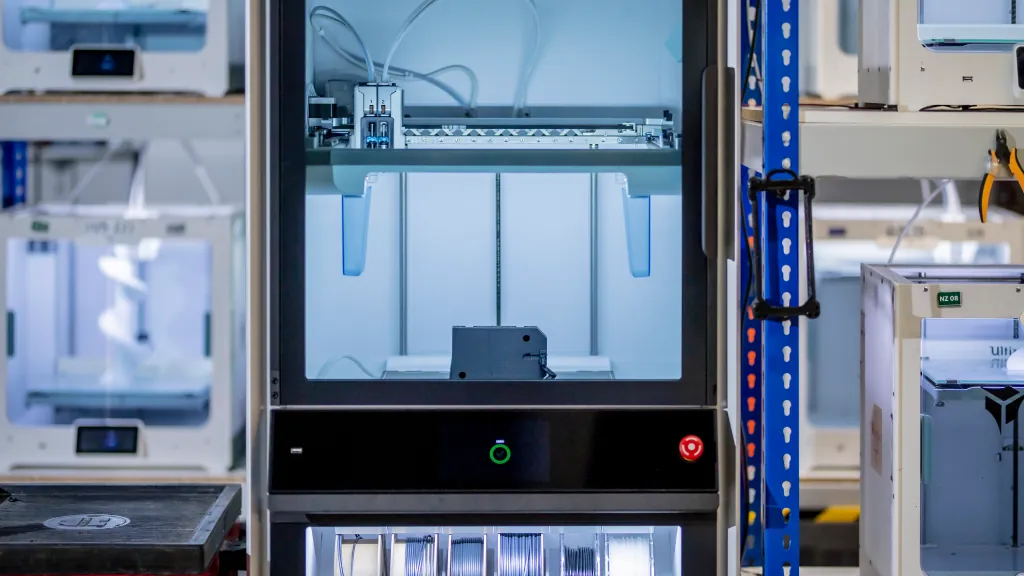
3D printing custom kitchen gadgets feels like the ultimate maker achievement. You buy a spool of premium, certified “food-safe” filament and assume your homemade cookie cutters and spatulas are ready for the dining table. The reality of Fused Deposition Modeling (FDM) printing shatters that assumption. While the raw plastic spool sitting on your desk might pass chemical safety tests, the physical process of melting and extruding that plastic creates a highly porous, bacteria-friendly nightmare.
The FDM process inherently leaves microscopic layer lines, tiny voids, and structural seams across the surface of every object. These invisible gaps act as perfect breeding grounds for bacteria and trap microscopic food residue that standard dish soap cannot reach. A food-safe raw material does not equal a food-safe finished product.
What We Know
- Raw PLA or PETG filament may hold food-safe chemical ratings, but the FDM printing process introduces structural voids that harbor harmful bacteria.
- Standard brass printer nozzles wear down quickly and can deposit trace amounts of lead into printed kitchenware.
- The only verified method to make an FDM print safe for food contact involves heavy post-processing with two-part epoxy resins.
XDA Developers recently analyzed this disconnect, pinpointing five specific kitchen items you should stop printing. Everyday forks and spoons take the top spot. Biting, scraping, and repeated washing quickly degrade their textured surfaces, turning them into germ traps. Hot cups and mugs follow closely behind. Standard plastics like PLA soften and warp under high heat, meaning your morning coffee should stay in ceramic, glass, or stainless steel.
Cutting boards and prep surfaces are equally problematic. Knives create deep gouges in the plastic layers, rendering the surface completely unhygienic after a single use. Leftover containers face a different failure point, as the high heat of a dishwasher easily warps FDM plastics. Finally, baby items and pet bowls pose severe risks. Infants and animals chew these prints vigorously, risking the ingestion of chemical pigments, trapped bacteria, and microplastics.
The baseline for chemical safety in this space relies heavily on established compliance frameworks. EU Regulation 10/2011 and FDA standards test for chemical migration limits in plastics that directly touch food. To meet these standards, industry material guidelines explicitly warn that makers must swap standard hardware for stainless steel nozzles to prevent heavy metal contamination.
Companies like Prusa Research, Igus, and UltiMaker spent years developing certified food-grade filaments. Yet, even the manufacturers issue strict warnings. According to UltiMaker, while pure PLA is generally safe, added colorants and the porous layers of the final print demand specialized post-processing.
Why Mechanical Reality Defeats Chemical Certification
The disconnect between a certified spool of PETG and a dangerous printed fork comes down to manufacturing physics. The FDM process cannot create the perfectly smooth, injection-molded surfaces found on commercial Tupperware. To bridge this gap, makers have to rely on extensive post-processing.
Sanding the object completely smooth and sealing it with a two-part, food-grade epoxy resin like XTC-3D creates the necessary non-porous barrier. Without this exact chemical sealant and a titanium or stainless steel nozzle, the “food-safe” label on the filament box is practically useless for the finished print.