
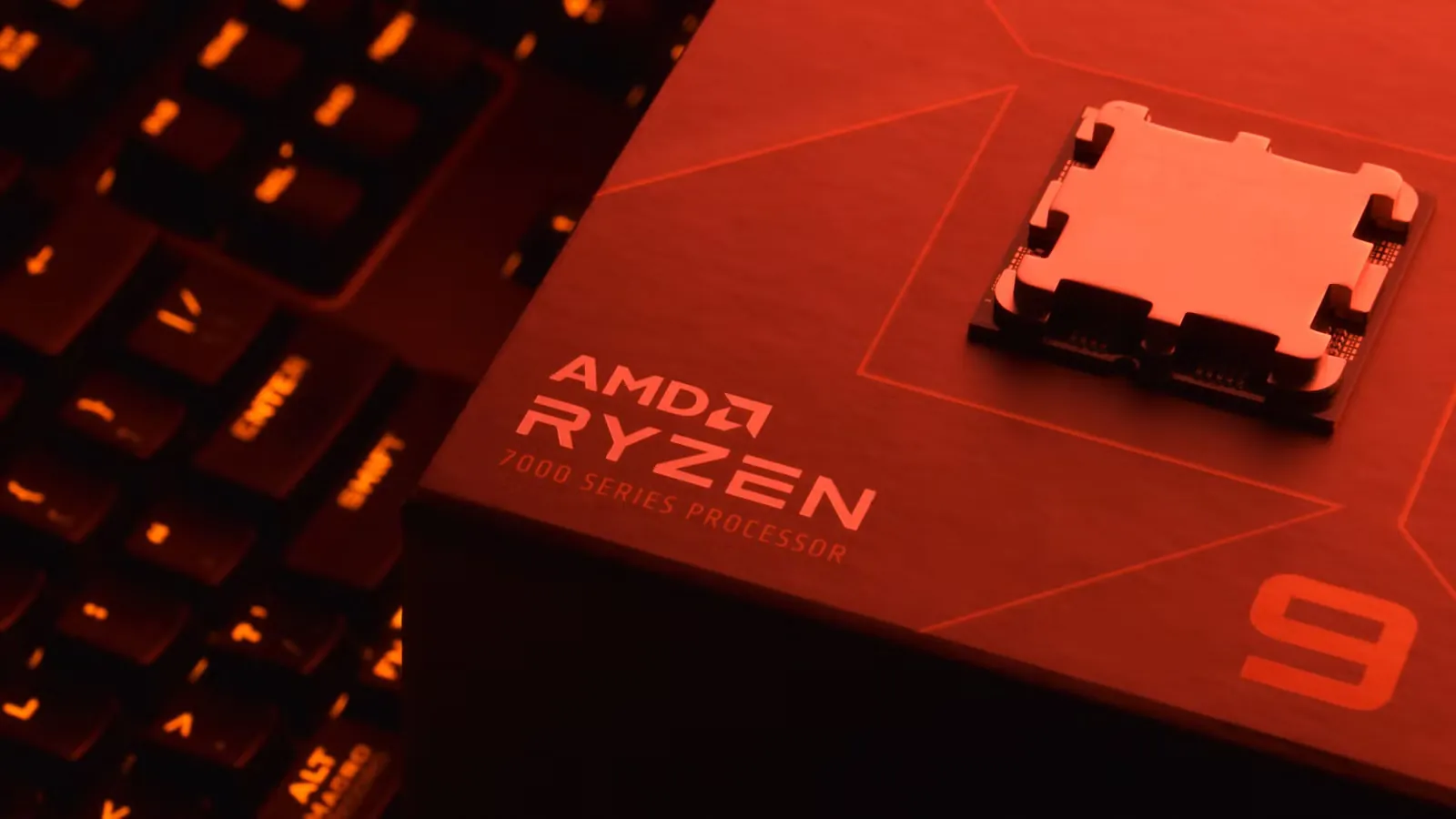
A recent hardware test comparing the AM4-based Ryzen 7 5800X3D to the new AM5-based Ryzen 7 9800X3D produced results that defy standard benchmarking expectations. When paired with an Nvidia RTX 4090 on a 360Hz OLED display at 1440p, average frame rates barely moved. The older 5800X3D already pushes the RTX 4090 to its practical limits at that resolution.
The true upgrade surfaced entirely in the background metrics. The new CPU fundamentally fixes frame pacing and 1% lows, completely eliminating the micro-stutters that plague heavy, chaotic gameplay.
The Death of Micro-Stutters
During intense processing moments, peak frame rates matter less than rendering consistency. In competitive titles like Valorant, heavy utility usage often causes brief visual jitter. In Battlefield 2042, fighting over an objective with 10 to 15 other players strains the CPU and creates sudden performance dips.
The 9800X3D aggressively targets these exact scenarios. While the absolute maximum number of frames rendered per second remains identical to the older chip, the spacing between each frame is perfectly flat, according to a recent hardware review evaluating the AM5 transition. The 1% low performance sits much closer to the average output, resulting in an exceptionally smooth visual experience without annoying hitches.
This contrasts sharply with earlier generational leaps. A few years ago, moving from a Ryzen 9 5900X to the 5800X3D resulted in huge frame rate boosts because the 5900X was heavily CPU-limited in these exact same titles, often leaving the RTX 4090 at only 70 to 80 percent utilization.
Why It Matters
The transition to the 9800X3D forces a move to the newer AM5 motherboard platform, unlocking modern hardware standards like DDR5 memory and PCIe 5.0 support. But for daily 1440p gaming, the older 5800X3D holds up remarkably well.
Unless you are actively preparing your system architecture for the upcoming Nvidia RTX 5090, the 5800X3D will not hold most systems back. The current processor upgrade path prioritizes rendering stability and platform longevity over raw numerical frame generation.