
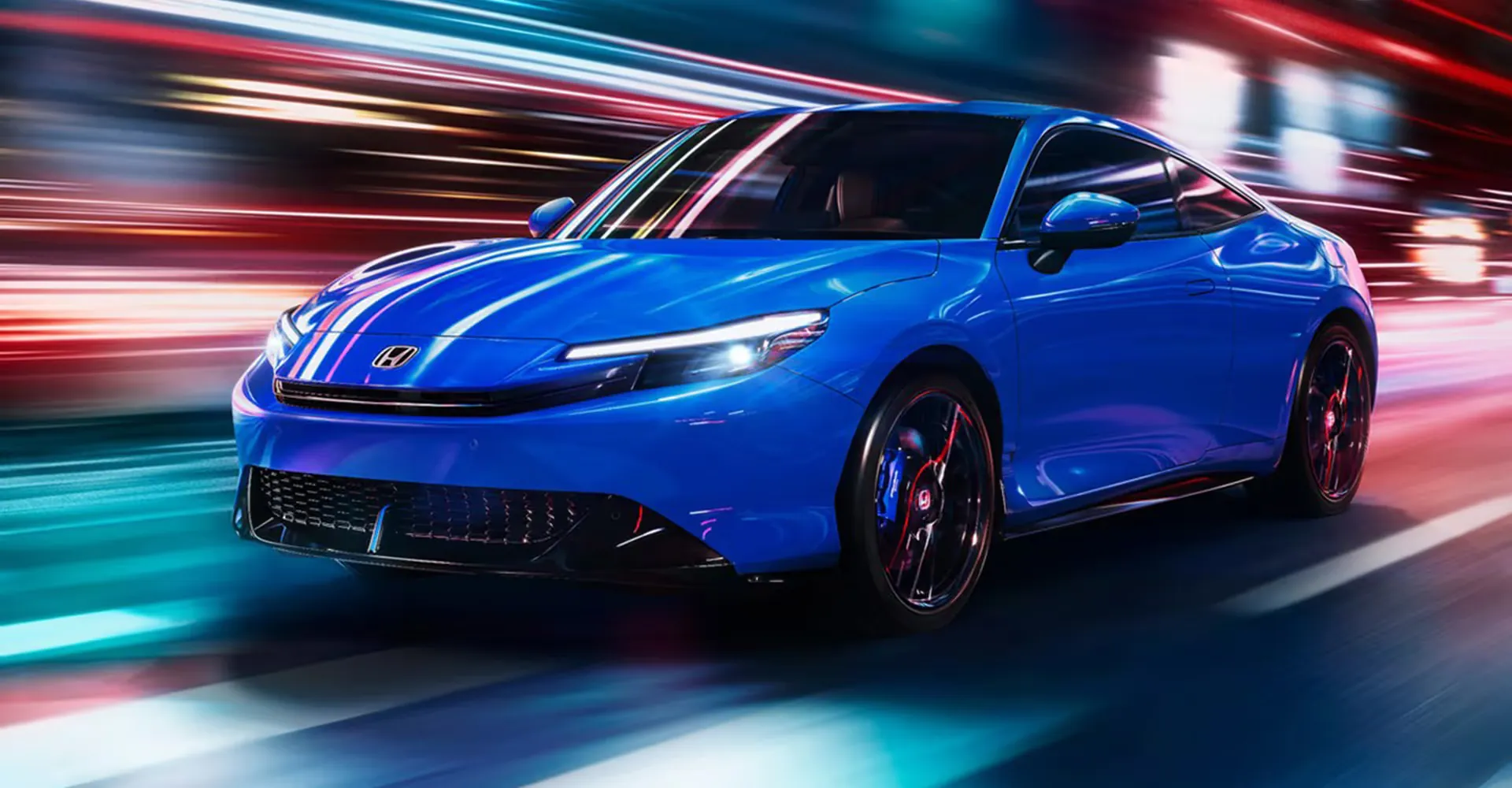
Honda is executing a fascinating engineering pivot to bridge the gap between their fuel-efficient hybrid technology and their legacy sports car architecture. The iconic Prelude nameplate is returning to the market, but the foundation underneath the sleek coupe borrows heavily from an unexpected source. The 2026 Honda Prelude shares its core platform, main hardware systems, and performance braking components directly with the track-focused Civic Type R.
Despite the shared DNA, Honda is tuning the two vehicles for completely different drivers. The Civic Type R remains a dedicated performance machine built for lap times. The Prelude utilizes that highly capable chassis to support a hybrid powertrain designed for a smooth grand touring experience on public roads.
What We Know
- The new Prelude is the first electrified version of the coupe in the brand’s history.
- Engineers confirmed the vehicle utilizes the Type R’s celebrated dual-axis strut front suspension to mitigate torque steer.
- The structural similarities extend to large Brembo brakes fitted to the front axle.
The extent of this shared hardware was initially brought to light by automotive outlet The Drive. Reporters examining the pre-production Prelude noticed it features a traditional physical fuel filler cap. Honda has largely eliminated this specific hardware design from its modern lineup, with the Type R being the notable exception. This led to a deeper look into the parts bin sharing between the two models, revealing the surprising structural overlap.
Honda representatives officially clarified the engineering strategy this week. The shared gas cap design was mandated by international fuel pump standards in specific global markets where the vehicle will be distributed. Because both the Prelude and the Civic Type R are classified as low-volume production vehicles, creating a single, shared hardware specification was the most cost-effective manufacturing solution. You can read the original Autoblog report detailing the global fuel pump market regulations and platform similarities.
This shared hardware creates a unique performance profile for the revived coupe. Official documentation from the Honda press kit confirms the integration of the dual-axis strut front suspension alongside a 200-horsepower hybrid-electric powertrain. It is the first time Honda has actively paired its two-motor hybrid system directly with its high-performance track components.
Early feedback highlights how this combination alters the handling characteristics. Reviewers documenting hands-on driving impressions emphasize that the Type R-derived suspension perfectly complements the grand touring hybrid performance capabilities, providing sharp handling without the punishing ride quality of a dedicated track car.
How Low-Volume Economics Benefit the Everyday Enthusiast
The Prelude’s development cycle illustrates a growing trend in automotive manufacturing where strict international regulations inadvertently benefit the consumer. Developing bespoke platforms for niche sports cars is rarely financially viable for major automakers today. By utilizing the existing Type R architecture to satisfy global fuel pump mandates, Honda avoided the exorbitant costs of ground-up engineering.
This parts-sharing strategy means buyers of the hybrid Prelude receive track-tested structural rigidity, advanced suspension geometry, and premium braking hardware that would normally be restricted to flagship performance models. The economic necessity of sharing a simple fuel door ultimately dictates the high-end mechanical baseline for the entire vehicle.