
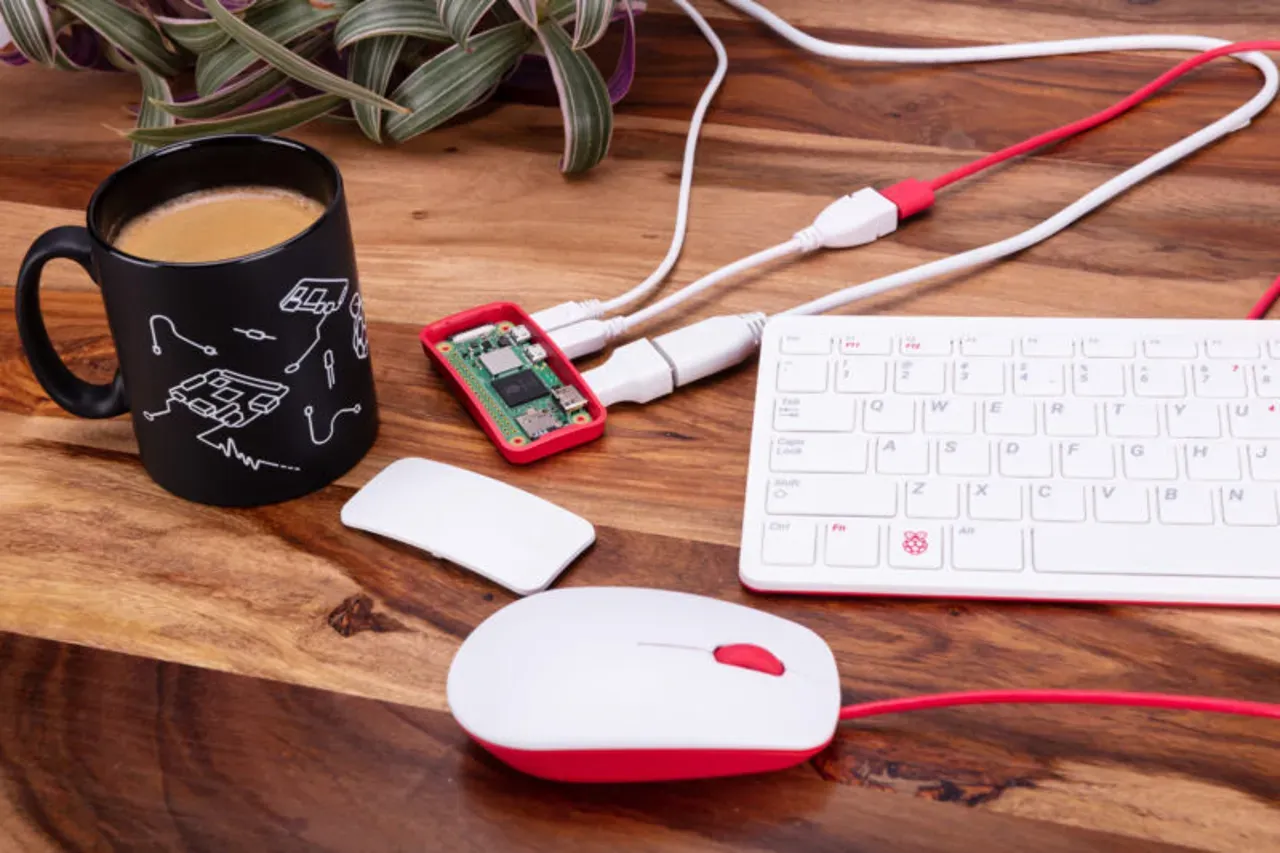
The homelab community is rethinking how it handles daily network infrastructure. We used to stuff every Docker container and service onto a single powerful machine. Now, users are isolating critical tasks to prevent single points of failure. The $15 Raspberry Pi Zero 2W sits right at the center of this hardware shift. This tiny, micro-USB powered board runs Pi-hole—a network-wide ad blocker and local DNS server—with vastly more efficiency than that old spare PC gathering dust in your closet.
What We Know
- The Pi Zero 2W runs on a fraction of the electricity an x86 laptop requires, drastically lowering continuous operating costs.
- Isolating your DNS resolution on a dedicated microcomputer ensures your internet stays online even when your primary server needs a reboot.
- The entry-level quad-core ARM Cortex-A53 CPU and 512MB of RAM easily cover the computational needs for local ad blocking.
Keeping your DNS server active is the most important part of any home network setup. If the machine hosting your Pi-hole goes offline, your entire network loses its ability to resolve web addresses. This is exactly why throwing the software onto your main unRAID server or an old Windows laptop introduces unnecessary risk. Keeping your DNS server online is critical, and according to XDA Developers, dedicating the inexpensive Raspberry Pi Zero 2W specifically to Pi-hole prevents these network-wide outages better than repurposing an older PC.
The technical specifications of the Pi Zero 2W might look weak on paper. It features just 512MB of RAM and an entry-level processor. But DNS resolution is highly text-based and requires very little computational muscle. An older x86 desktop computer wastes a tremendous amount of electrical power just to keep its fans spinning and motherboard active while waiting for DNS queries. The Pi Zero 2W sips power through a basic micro-USB cable, making it perfectly tailored for a 24/7 always-on environment.
The Homelab Shift Toward Isolated Infrastructure
We are seeing a distinct split in how hobbyists buy hardware. High-end computing is increasingly moving away from top-tier, expensive Raspberry Pi 5 models. Users are instead buying refurbished Dell and Intel mini PCs for heavy virtualization and media streaming workloads. But the Pi Zero 2W completely dominates the micro-task category. By isolating core infrastructure like DNS and DHCP routing onto ultra-cheap, single-purpose boards, home users are finally adopting the exact same safety practices used in enterprise IT. Your heavy applications can crash, but your internet connection stays entirely uninterrupted.