
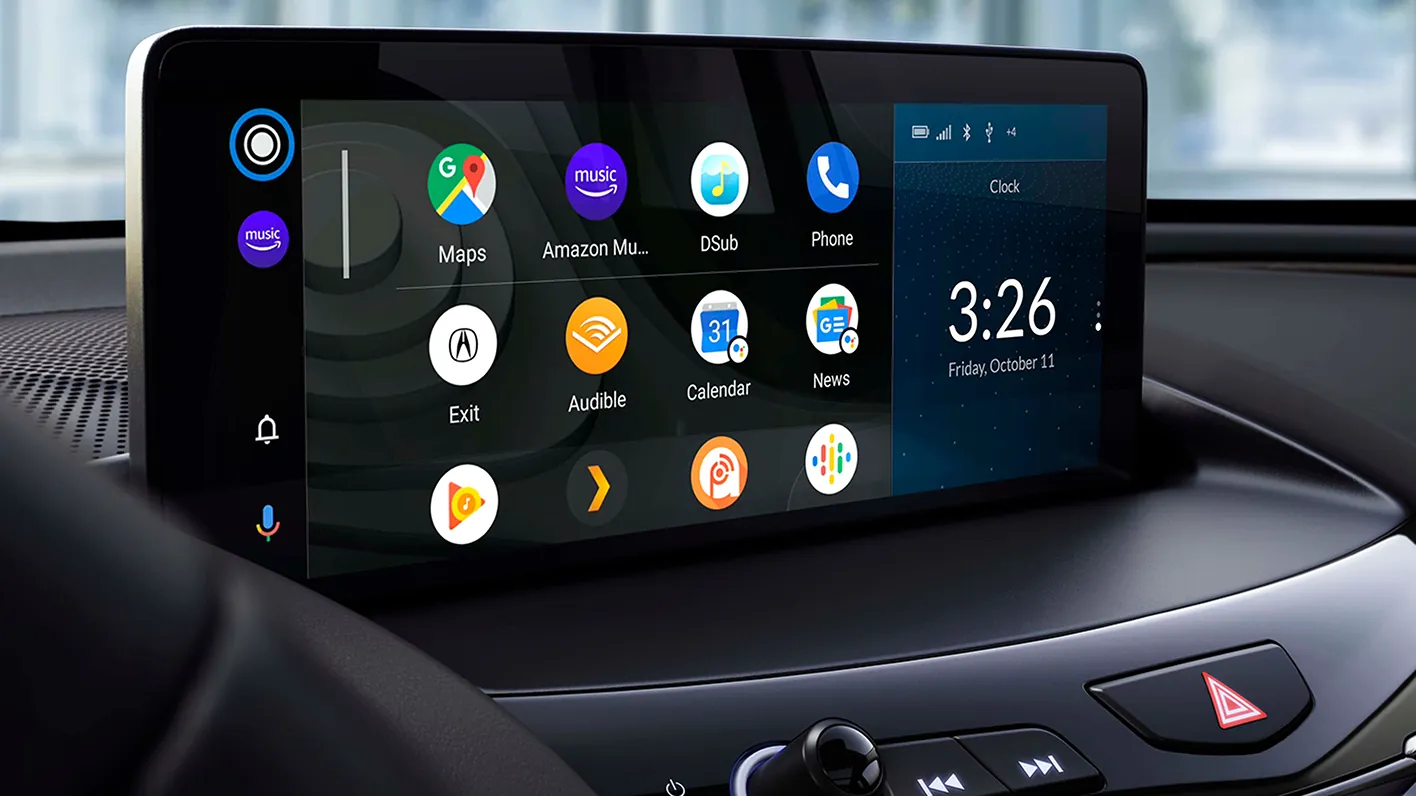
Beaming your phone directly to your car’s dashboard without digging for a cord feels like the ultimate modern convenience. But behind that wire-free setup lies a persistent, overheating reality. In an experiential review published at XDA Developers, the author completely abandoned wireless Android Auto in favor of a traditional USB cable. The result? Every random disconnection, agonizing screen latency, and severe battery drain vanished instantly.
The problem centers on how phones handle simultaneous wireless demands. When you use wireless Android Auto, your device maintains a constant 5GHz Wi-Fi stream and an active Bluetooth connection while simultaneously processing GPS navigation, pulling cellular data, and streaming media playback.
The Cycle of Thermal Throttling
This sustained high-power load generates an immense amount of internal heat. Many drivers try to counteract the battery drain by resting their phone on an in-car wireless charger, which only compounds the temperature spike. Once a modern smartphone hits its thermal safety threshold, it automatically throttles processing power and halts battery charging to protect its internal components.
This creates a compounding failure loop. The phone overheats, the battery drains faster than it charges, and the dashboard connection stutters or drops entirely, according to Android Police.
Reverting to a physical USB cable bypasses this thermal nightmare entirely. A wired connection eliminates the need for the heavy 5GHz Wi-Fi stream, instantly resolving the latency. It also provides a stable, low-heat charging method that easily outpaces the power consumption of GPS navigation.
Mitigating the Battery Drain
If you absolutely refuse to go back to a physical cable, there are practical ways to reduce the power consumption. You can physically mount your device directly over an air conditioning vent to forcefully cool the chassis.
Other highly effective software tweaks include downloading offline maps to reduce active cellular data usage and entirely turning off 5G network searching during long road trips. Some tech guides also recommend forcing ‘Unrestricted’ battery access for the Android Auto application to prevent the operating system from killing the connection in the background.
The Thermodynamic Ceiling of In-Car Projection
The persistent failures of wireless car projection expose a fundamental limitation in current mobile hardware. Automakers continue to push wireless CarPlay and Android Auto as premium standard features in 2026 vehicles, yet the physics of high-bandwidth streaming and wireless charging inside a sun-baked car cabin remain unchanged.
Until smartphone manufacturers design dedicated secondary cooling loops or automakers build actively cooled wireless charging bins directly into their center consoles, the physical USB cable remains the most reliable data pipeline for extended road trips. The convenience of leaving your phone in your pocket simply cannot beat the stability of copper wire.