
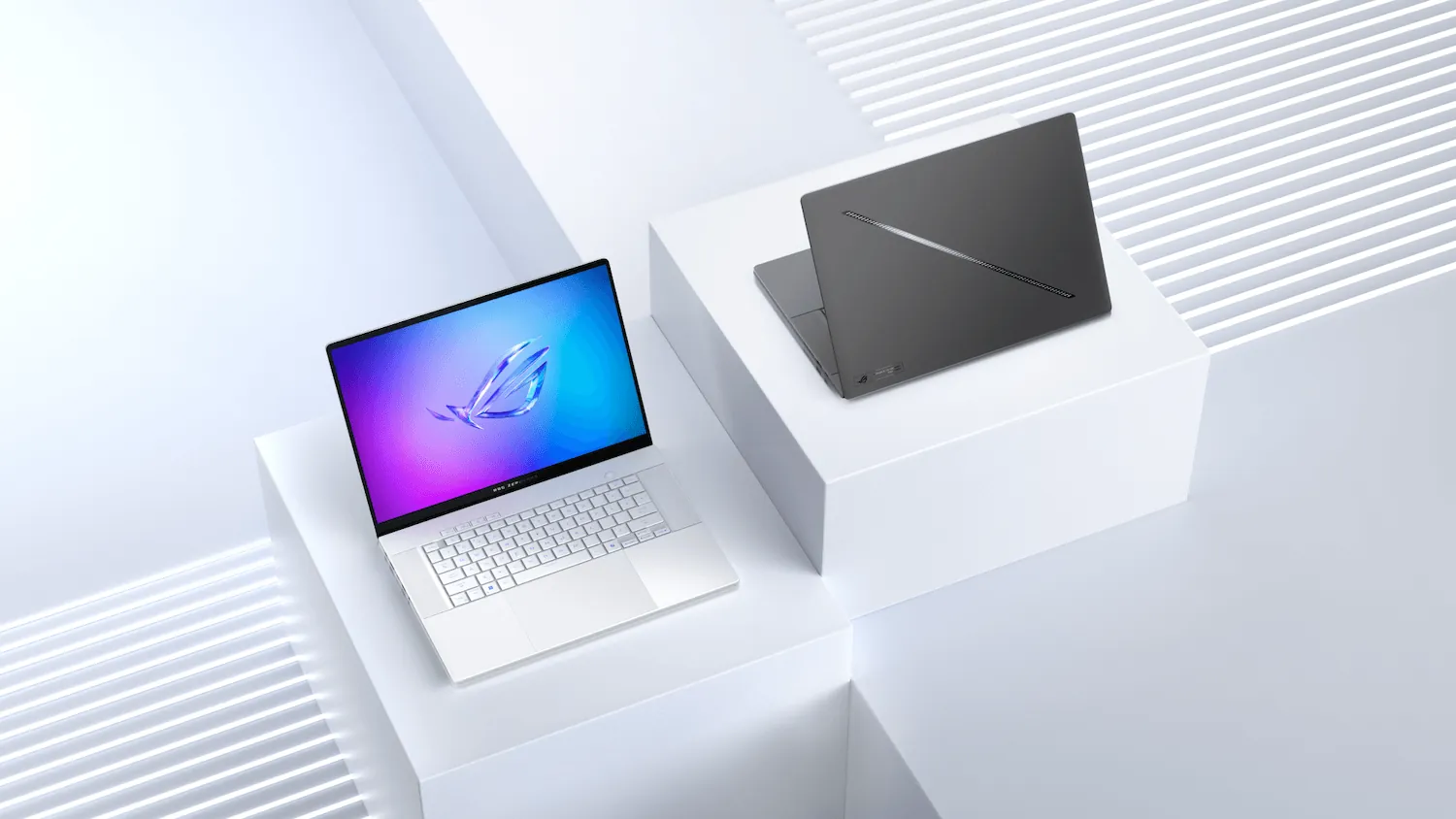
OLED screens deliver incredible contrast and vibrant colors for media consumption. Their underlying technology is fundamentally mismatched for the static, text-heavy nature of software development. A recent XDA Developers guide details the specific drawbacks of OLED screens for coding, leading developers to return otherwise flawless premium machines like the Asus ROG Zephyrus G16.
The core issue is permanent pixel degradation, commonly known as burn-in. Programming heavily relies on Integrated Development Environments (IDEs) filled with static UI elements. Toolbars, scroll bars, and sidebars sit unchanged on the screen for hours at a time. This static display drastically accelerates the aging of specific organic light-emitting diodes, leaving a permanent ghost image on the panel.
The Dark Mode Dilemma and Eye Strain
Most software developers use Dark Mode to reduce visual fatigue during long coding sessions. Dark themes rely heavily on dark gray backgrounds rather than pure black. On OLED panels, these dark grays often display as a noisy, uneven mixture of differently colored subpixels. This creates a visually jarring “dirty gray” effect that disrupts the clean interface expected from a high-end workstation.
Manufacturers manage OLED brightness using Pulse-Width Modulation (PWM). The screen rapidly turns pixels on and off, creating a strobe light effect that is invisible to the naked eye but perceptible to the brain. For users sensitive to PWM flickering, staring at lines of code on an OLED screen induces severe eye fatigue and headaches.
The combined mental load of managing these risks defeats the purpose of buying a premium laptop. Developers find themselves constantly hiding taskbars, shifting windows, and running screensavers just to protect their expensive hardware from their daily workflow.
What OLED’s Static UI Vulnerability Means for Workstation Manufacturers
The documented limitations of OLED technology for programming workflows force a clear divide in the premium laptop market. While companies push OLED as the ultimate display upgrade across their flagship consumer lines, they recognize the physical constraints of the technology. Major manufacturers like Lenovo now explicitly acknowledge burn-in risks for programming and static use cases in their official documentation.
This technical reality establishes a firm boundary where traditional LCD and IPS panels retain a distinct professional advantage. Until display manufacturers can eliminate organic pixel degradation entirely, high-performance workstations targeted at enterprise developers and programmers will need to offer high-quality IPS alternatives. Professionals require tools that adapt to their workflow, rather than forcing the user to adapt their habits to protect the hardware.