
Most major tech companies want you trapped in a cycle of yearly upgrades and endless subscription fees. They push premium devices with 240Hz OLED screens and heavy cloud dependencies. These brands sell minor spec bumps as major innovations. Instead of chasing these expensive updates, some tech reviewers aren’t playing the game anymore. They are abandoning mainstream hardware for highly specialized, niche alternatives that actually fix daily frustrations.
Writing for XDA Developers, João Carrasqueira recently detailed his complete transition away from standard premium tablets. He swapped high-refresh OLED panels for energy-efficient E-Ink displays, prioritizing battery longevity over flashy graphics. E-Ink screens maintain static images without drawing any continuous power, which drastically reduces daily charging anxiety. This hardware choice directly combats the visual fatigue and battery drain common with modern media consumption.
Moving beyond just mobile screens, he completely stripped monthly cloud storage costs from his budget. Setting up a Network Attached Storage system running Nextcloud allowed him to bring all his data back under local control, according to a detailed technical breakdown. This localized approach bypasses the rigid data constraints enforced by major tech giants. It requires a bit more technical setup upfront, but the long-term privacy and financial savings easily offset the initial effort.
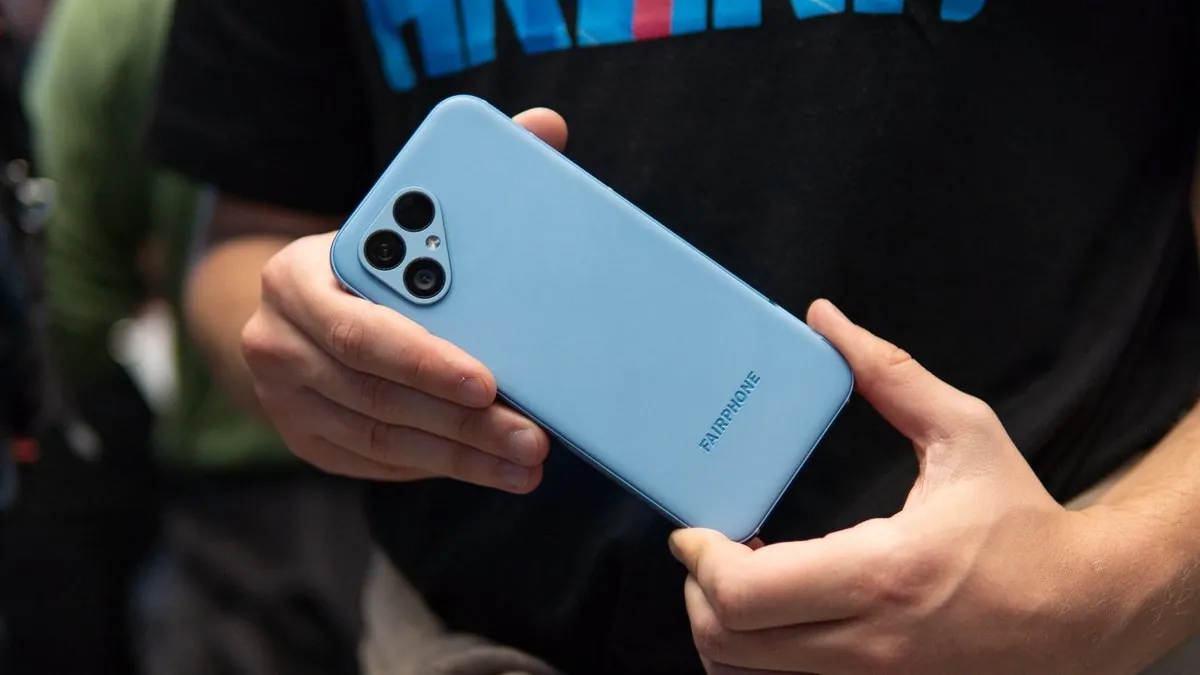
Hardware longevity also dictates his smartphone choice, specifically the Fairphone 5. Even though the company halted retail production of the handset in January 2026, the manufacturer pledged spare parts and software updates until at least 2031. This modular philosophy matches perfectly with impending regional laws, specifically the European Union’s Right to Repair Directive. Taking effect on July 31, 2026, that mandate forces physical repair solutions long after the initial sale.
The Right to Repair Directive Forces a Hardware Strategy Reset
The incoming EU regulations and the rising popularity of modular hardware signal a massive headache for companies reliant on planned obsolescence. Manufacturers can no longer simply abandon their hardware platforms after two years to force consumers into buying new models. They must now stock physical inventory for replacement parts, changing the basic economics of gadget production. As consumer adoption pushes the E-Ink device market toward a projected $4.88 billion by 2035, tech brands will have to compete on hardware longevity rather than just pure processing speed.