
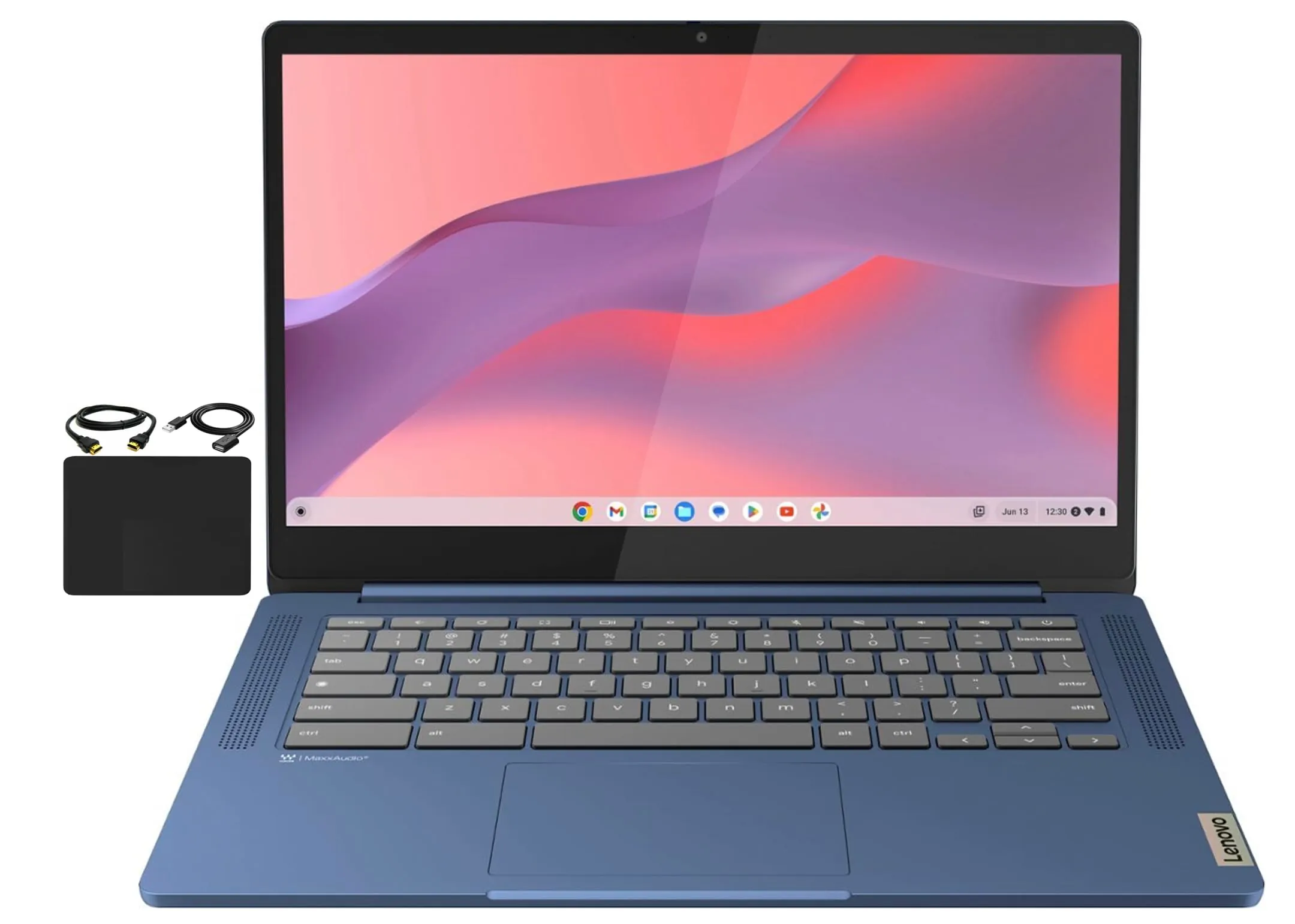
Google officially rolled out the Googlebook platform on May 12, positioning it as a premium hardware upgrade over the traditional entry-level Chromebook line. The defining feature of the new ecosystem is the “Magic Pointer”—an operating system-level smart cursor powered entirely by Google’s on-device Gemini NPU. But early critical reception indicates a serious product disconnect. Software developers and reviewers argue Google fundamentally misunderstands desktop PC users by forcing generative artificial intelligence into the base operating system instead of delivering the specialized productivity apps people actually want to download.
The new hardware ecosystem relies heavily on running Android applications natively on a desktop interface. The rollout includes machines from heavy hitters like Acer, ASUS, Dell, HP, and Lenovo, according to Lifehacker’s breakdown of the official announcement details and hardware partners. To unify these disparate apps, DeepMind co-developed the Magic Pointer to rethink how a 50-year-old peripheral works. You point at an object on the screen, voice a command like “move this here,” and the system uses visual context to execute it without ever opening a chat box.
The system also relies on a highly controversial “wiggle” mechanic, where shaking your mouse over text, dates, or images summons Gemini for contextual actions. However, according to PCWorld’s early hands-on testing of the Magic Pointer, the current beta is clunky, struggles with complex web inputs, and takes several seconds to process basic prompts.
Analysts at XDA Developers point out that the wiggle mechanic is incredibly likely to trigger frustrating false positives for anyone just trying to casually read a document or navigate a spreadsheet. Their report suggests Google should stop throwing resources at forced gimmicks and instead improve foundational desktop usability. XDA recommends Google fund projects like Wine to improve Windows compatibility, or directly incentivize major developers like Adobe and Canva to build native software for the Googlebook ecosystem.
Microsoft’s Retreat Proves OS-Level AI is a Tough Sell
Google’s intense focus on embedding Gemini directly into the cursor comes at a very strange time for the tech industry. Their primary software competitor, Microsoft, is systematically retreating from this exact strategy. Following intense pushback and remarkably low user engagement, Microsoft recently stripped its Copilot+ integrations out of basic Windows apps like Notepad, Snipping Tool, Photos, and Xbox.
PC users consistently show they prefer to use AI inside specialized, opt-in applications where they control the output, rather than having it permanently attached to their mouse movements or core system functions. By making the Magic Pointer the central identity of the Googlebook hardware, Google risks repeating Microsoft’s exact usability misstep.