
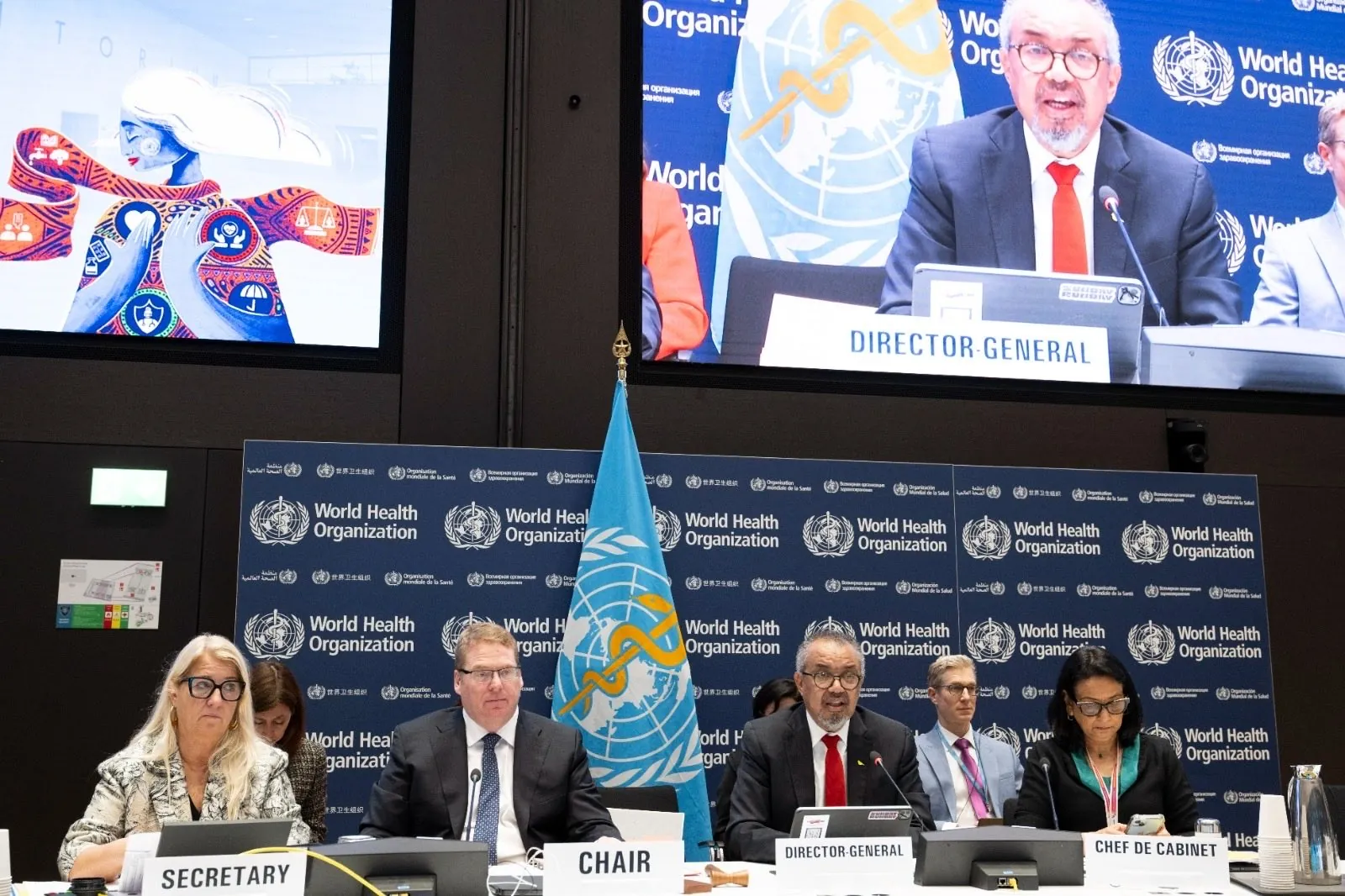
WHO Director-General Tedros Adhanom Ghebreyesus confirmed in Madrid that there is currently no evidence of a larger hantavirus outbreak following the emergency evacuation of the MV Hondius cruise ship. While the immediate threat to the global community appears low, health officials warned that the situation remains fluid. The virus has a long incubation period of six to eight weeks, meaning more cases could still emerge among former passengers. This announcement follows a high-stakes maritime crisis where the Dutch-flagged vessel was forced to evacuate several sickened passengers while sailing off the coast of Spain.
Three people have died so far, including a Dutch couple and a German national. The MV Hondius originally departed from Ushuaia, Argentina, on April 1 and is currently traveling to Rotterdam for a full sanitation process. It is expected to arrive at the Netherlands port on May 17. The outbreak involves the rare Andes strain, which is the only variant of hantavirus known to allow for limited person-to-person transmission. Because of this unique risk, international world health agencies have implemented maximum-security containment protocols usually reserved for highly infectious pathogens like Ebola.
Containment efforts have faced recent hurdles in the Netherlands. At least 12 healthcare workers at a hospital in Nijmegen were placed in precautionary isolation after a protocol breach occurred while handling patient samples. Meanwhile, the WHO head warned countries to prepare for more cases as repatriated passengers begin their mandatory quarantine periods. In France, Health Minister Stéphanie Rist has enforced a 42-day isolation period for all citizens who were on the ship. One French passenger is reportedly on a ventilator in Paris as medical teams monitor the potential for secondary spread within the European Union.
Why the human transmission factor of the Andes strain forces a 42-day quarantine
The decision to enforce a six-week quarantine represents a massive shift in global health policy for rodent-borne illnesses. Most hantavirus strains only infect humans through direct contact with animal waste, making them a localized threat. However, the Andes strain carries a 30-year history of jumping between humans in close-contact environments, first documented during a 1996 outbreak in Patagonia. By enforcing a 42-day isolation period—far longer than the standard 14-day window used for most respiratory viruses—officials are prioritizing the complete suppression of this specific biological characteristic to prevent the MV Hondius incident from becoming a self-sustaining community outbreak.