
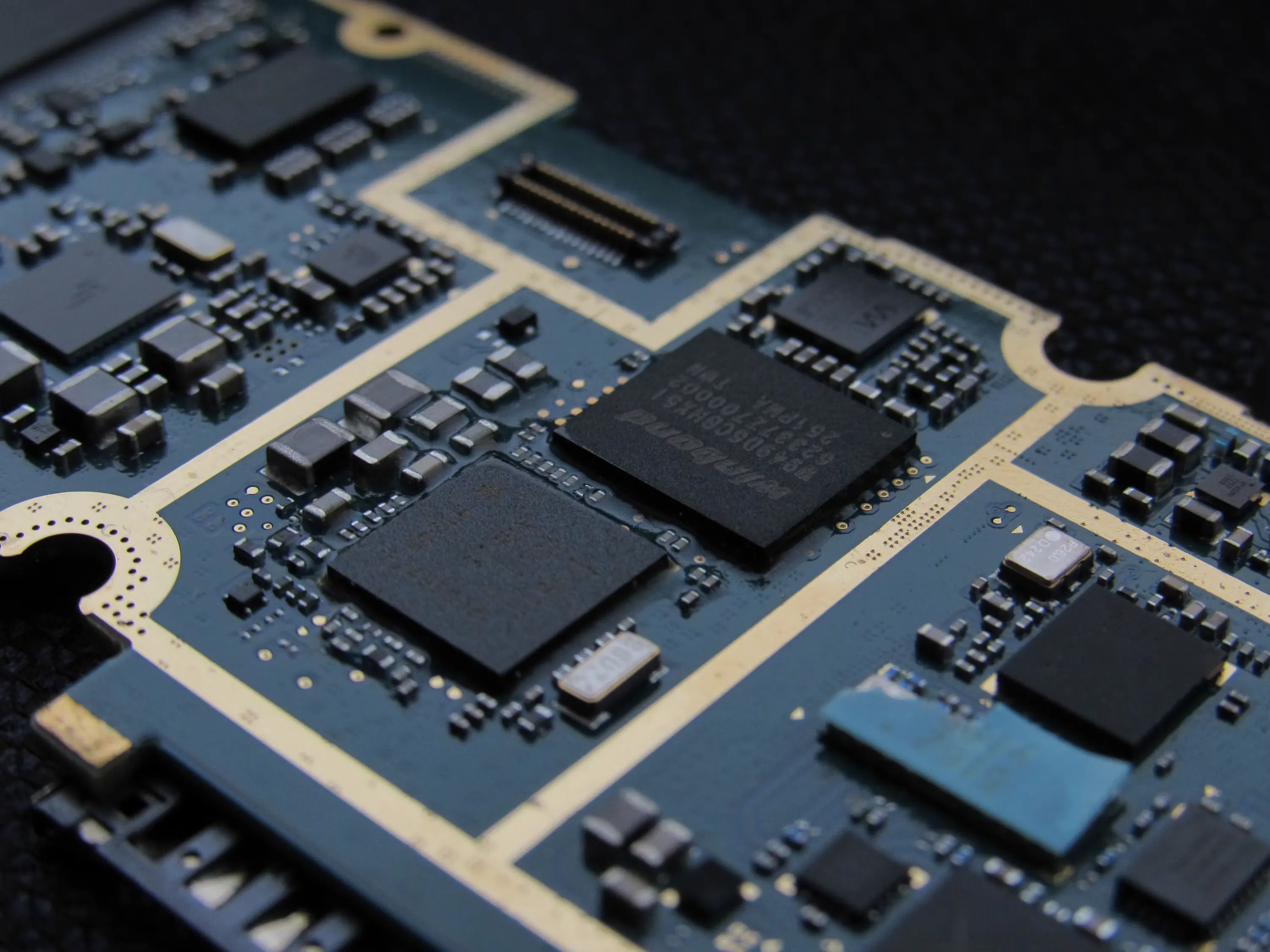
Thermal throttling is a built-in safety protocol that temporarily reduces your smartphone’s processor speed and power draw when internal temperatures exceed safe limits. When a phone runs heavy workloads, the tiny processors inside generate intense heat. To prevent that heat from physically melting the logic board or destroying the battery, the device deliberately slows itself down. The stuttering frame rates you see during a long gaming session aren’t software bugs. They are automated hardware defense mechanisms keeping your phone alive.
The engineering behind it is completely fascinating. Modern smartphones pack more processing power than older desktop computers into a chassis less than a centimeter thick, with absolutely no cooling fans. Managing that thermal energy requires incredible precision. Every time you open a demanding app, billions of transistors fire inside the silicon chip. That electrical activity creates friction and heat. Diagnostic testing by the team at Mobile Fix Experts shows just how close these devices get to the edge before the system steps in to pull them back.
The Core Mechanics of Heat Management
Your smartphone relies on a process called Dynamic Frequency Scaling (DFS). When internal thermal sensors detect temperatures climbing too high, the operating system forcibly lowers the CPU’s clock speed and voltage. A processor humming along at 2.1GHz might drop to 1.4GHz or lower in a matter of seconds. Slower speeds mean less power consumption. Less power consumption stops heat generation instantly.
But the processor isn’t the only thing that gets throttled. Modern mobile chips use a mix of high-performance “big” cores and energy-efficient “little” cores. During a thermal spike, the system shifts tasks away from the hot big cores and dumps the workload onto the cooler little cores. You might notice apps taking slightly longer to load when this happens. The phone prioritizes survival over speed.
Phones also throttle peripheral hardware to shed heat. If the processor slowdown isn’t enough, the system automatically dims your display brightness. It drops the screen refresh rate from a buttery 120Hz down to 60Hz. It can even restrict a high-speed 5G network connection down to 4G to reduce the radio module’s thermal load.
How Operating Systems Monitor the Heat
The software side of this thermal dance is hyper-vigilant. For instance, Android 10 and newer versions use a highly specific Thermal HAL framework to constantly read sensors across the battery, the GPU, the outer skin of the phone, and the USB port. The system assigns severity status codes ranging from `THERMAL_STATUS_NONE` all the way up to `THERMAL_STATUS_SEVERE`. If things get bad enough, it hits `THERMAL_STATUS_SHUTDOWN` and cuts power completely before the hardware catches fire.
Manufacturers program different limits based on what they think users will tolerate. CPU junction temperatures safely hit 95 to 105°C inside the silicon. Mainstream brands like Apple and Samsung throttle performance early to keep the phone’s outer glass and metal shell below an uncomfortable 45°C. They want the phone to stay cool in your hand. In contrast, dedicated gaming phones like the RedMagic series tolerate exterior temperatures up to 54 or 60°C before they aggressively throttle performance, according to 2026 testing by KryoZon.
Those aggressive thermal limits come with a cost. In experimental benchmarking by Boston University researchers, they found that default “greedy” thermal management policies try to maximize CPU frequency right up to the absolute thermal limit. This approach causes rapidly elevated temperatures across other nearby components like the display and battery. The result? The system is eventually forced into steeper, far more noticeable performance drops during extended use to overcompensate for the sudden heat saturation.
Preventing Hardware Damage
Without thermal throttling, your phone would literally cook itself to death. Sustained excessive heat warps internal logic boards. It melts the microscopic solder points connecting the chips. Worse, it causes ternary lithium batteries to degrade rapidly and become active safety hazards.
People often confuse heat throttling with battery degradation. They are completely different issues. Thermal throttling is temporary. Once you stop gaming and the phone cools down, peak performance returns. Battery throttling is a persistent issue, according to tech reporters at SamMobile. It happens in older phones because a chemically degraded battery cannot deliver the necessary peak voltage anymore, causing the operating system to permanently slow the phone down even when it is ice cold.
So the next time your phone gets warm and starts dropping frames after ten minutes of intense use, don’t get frustrated. That stuttering is the exact opposite of damage. It is your phone smartly pulling the brakes so it lives to work another day.
Key Takeaways
- Thermal throttling is a deliberate, automated hardware defense protocol that reduces processor speed and voltage to prevent physical melting and battery degradation.
- Operating systems monitor sensors across the CPU, GPU, battery, and USB port, dynamically shifting tasks to low-power cores and dimming displays to shed heat.
- Mainstream smartphones prioritize keeping the outer shell cool and will throttle early, whereas gaming-focused devices allow much higher external temperatures before reducing performance.