
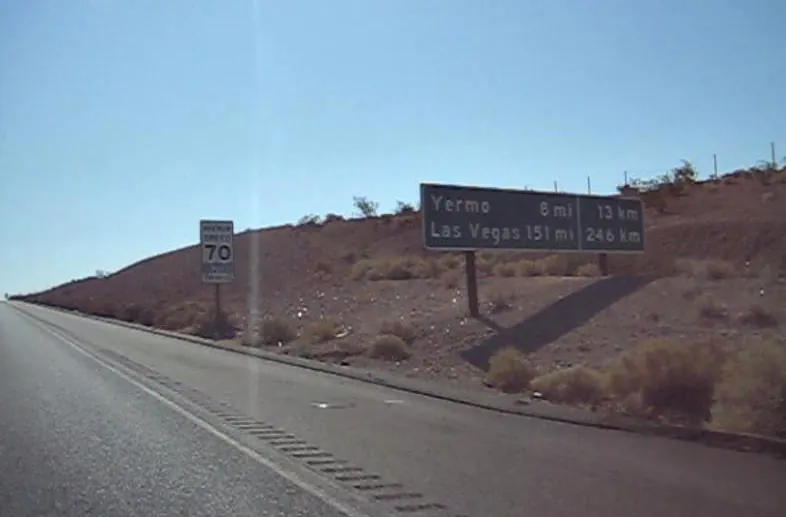
A second major heat dome of the summer is currently baking the western United States. The National Weather Service just escalated its warnings, predicting desert basin highs will reach a blistering 117 degrees. But this is not just an uncomfortable weather pattern for locals. It is a highly dangerous situation for anyone hitting the road.
If you are planning a summer road trip along I-10, I-15, or I-8, you need to rethink your travel windows. The Weather Prediction Center recently bumped the region’s HeatRisk to “Major-to-Extreme” through July 15. Driving these routes right now carries a severe threat of sudden tire blowouts and engine overheating on the long mountain grades.
Being stranded in a broken-down vehicle at 117 degrees becomes life-threatening in a matter of minutes. You absolutely need extra water, emergency coolant, and a fully charged phone if you must travel these corridors during peak daylight hours. Many locals are shifting their driving entirely to the middle of the night.
This extreme system is a “blocking High” pressure pattern that traps overheated, high-humidity air in place. And it is worsening an already dangerous fire season across the region. Meteorologists point out that ongoing El Niño conditions are increasing the rapid spread of existing wildfires across the West, even when local winds remain light.
This latest weather trap directly follows the deadly East Coast heatwave over the July 4th weekend that caused at least 44 fatalities. That earlier system severely strained public infrastructure and regional power grids across multiple states, and the western grid is now facing the exact same pressure.
The heat dome won’t stay contained out West, either. Forecasters expect the system to expand eastward across the Plains next week. That movement could eventually blanket up to two-thirds of the country in dangerous temperatures with almost zero overnight relief.